
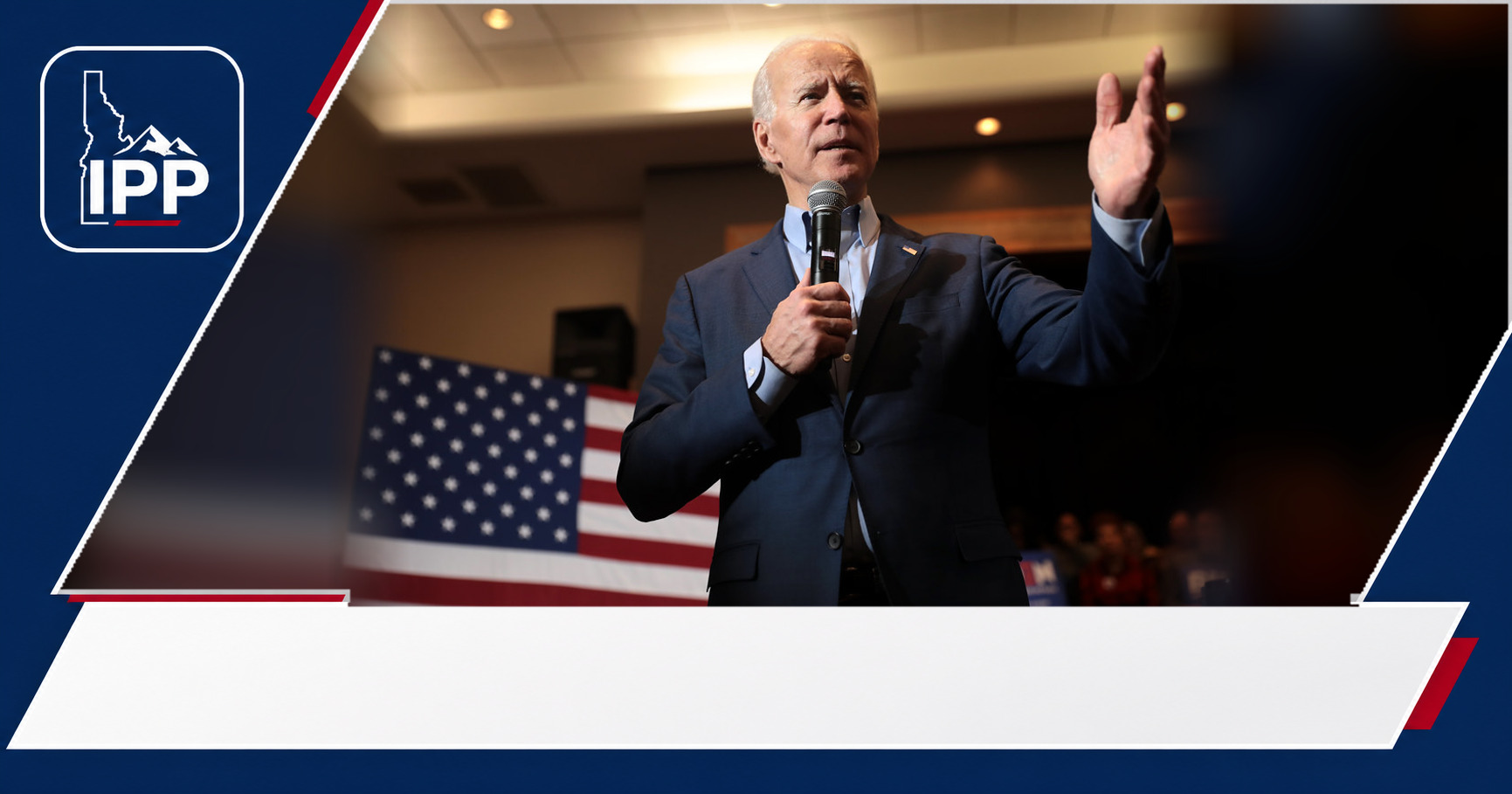
The recordings put Biden’s own words back into a closed legal matter that never stopped being politically explosive. They also show why possession, intent and prosecution standards remain at the center of the fight.
Joe Biden said he kept classified documents in newly released interviews with ghostwriter Mark Zwonitzer, recordings tied to his 2017 memoir Promise Me, Dad that were released by Republicans in Congress. The newly released interviews about Biden’s handling of classified documents matter because they put his own words back at the center of a case Special Counsel Robert Hur closed in 2024 without recommending criminal charges.
In one February 2017 clip, a month after Biden left the vice presidency, he is heard saying, "I just found all the classified stuff downstairs." The release does not reopen the closed prosecution decision, but it sharpens the political fight over how presidents and vice presidents handle government secrets after leaving power.
The remark driving the uproar
The newly released audio includes more than two hours of interviews between Biden and Zwonitzer, the ghostwriter who helped him write Promise Me, Dad. The recordings were obtained during Hur’s investigation and later sought by House Republicans and the conservative nonprofit Oversight Project.
The most politically damaging line is plain-spoken and informal: "I just found all the classified stuff downstairs." Because Biden said it so soon after leaving the Obama administration, critics argue it undercuts any claim that he was unaware classified material had followed him out of office.
Another segment, according to the released material described by the BBC, captures Biden telling Zwonitzer, "The next thing I have here is, um, this is classified." In an October 2016 recording, while Biden was still vice president, he also told the ghostwriter he had extensive notes and said, "They [the White House] didn’t know I have this."
Those words are now being read through two lenses at once: as evidence of careless handling of sensitive records, and as a reminder that informal conversations can sound more definitive than what prosecutors can prove in court.
Why Hur did not charge
Hur’s 2024 report found that Biden had improperly retained classified records, but the special counsel did not recommend criminal charges. That distinction is central: improper retention can be serious without automatically producing a provable criminal case.
Hur wrote that prosecutors would face obstacles convincing a jury. One of his most quoted assessments was that jurors could view Biden as a "sympathetic, well-meaning, elderly man with a poor memory," language Biden and his allies angrily criticized at the time.
A transcript of Biden’s special counsel interview entered in congressional records also showed him trying to describe what he believed he had kept. In one passage posted through Congress.gov, Biden said, "I want to make clear that I didn’t keep anything that wasn’t — I thought was classified," a halting formulation in a long interview about memory, documents and intent.
The legal question was never simply whether classified-marked material existed. Prosecutors also had to weigh Biden’s knowledge, intent, cooperation and whether a jury would find proof beyond a reasonable doubt.
How the tapes became public
The recordings did not emerge because Hur changed his mind or because a new prosecution was announced. They were released after House Republicans and the Oversight Project pursued access to the tapes as part of the broader fight over Biden’s handling of records.
During Biden’s presidency from 2021 to 2025, the Justice Department declined to release the audio. Biden’s personal lawyers later sued the Justice Department in an effort to keep the recordings private, then dropped the lawsuit after legal setbacks, according to the BBC.
The released recordings contain significant redactions. Republicans on the House Oversight Committee have said those redactions are intended to cover Biden’s disclosure of classified information, though the redacted portions by definition leave outsiders unable to assess the full context.
That is one reason the tapes are politically potent but legally incomplete. They provide Biden’s voice, timing and tone, but not a full public map of what information was classified, what remained redacted and what investigators saw behind closed doors.
Both sides see confirmation
For Republicans, the recordings offer a simple argument: Biden’s own words show he knew he had classified material after leaving office. They also revive complaints that Biden received more lenient treatment than Donald Trump in classified-documents investigations.
That comparison is powerful politically, but the cases were not identical. Trump was charged over classified documents kept at his Florida home before those charges were dropped after he returned to the White House, while Hur declined to seek charges against Biden after evaluating evidence, cooperation and trial risks.
Biden’s side sees the release very differently. Spokesman TJ Ducklo criticized the Justice Department under Trump, calling the move "just the latest example of this Administration weaponizing the DOJ for political retribution." Ducklo also said Biden disagreed with the decision but respected the courts and the role of an independent judiciary.
That clash explains why the story is unlikely to fade quickly. The recordings give Biden’s critics a visceral piece of evidence, while his defenders argue the release is selective, political and already accounted for by investigators.
What remains unresolved
The tapes answer one narrow question: Biden did discuss classified material with his ghostwriter, and he acknowledged finding such material after leaving the vice presidency. They do not, by themselves, settle the full legal significance of every document, note or redacted exchange.
- Classification status: The public record still does not fully show what all the redacted material contains.
- Intent: Hur’s no-charge decision turned heavily on what prosecutors believed they could prove about Biden’s state of mind.
- Political impact: The audio may matter more to public perception than to any future courtroom decision.
The practical takeaway is blunt: the Biden classified-documents matter is legally closed for now, but the release gives the political fight new audio, not a clean ending. In classified-records controversies, the difference between bad handling and criminal liability is often where the fiercest argument begins.



Leave a Reply