
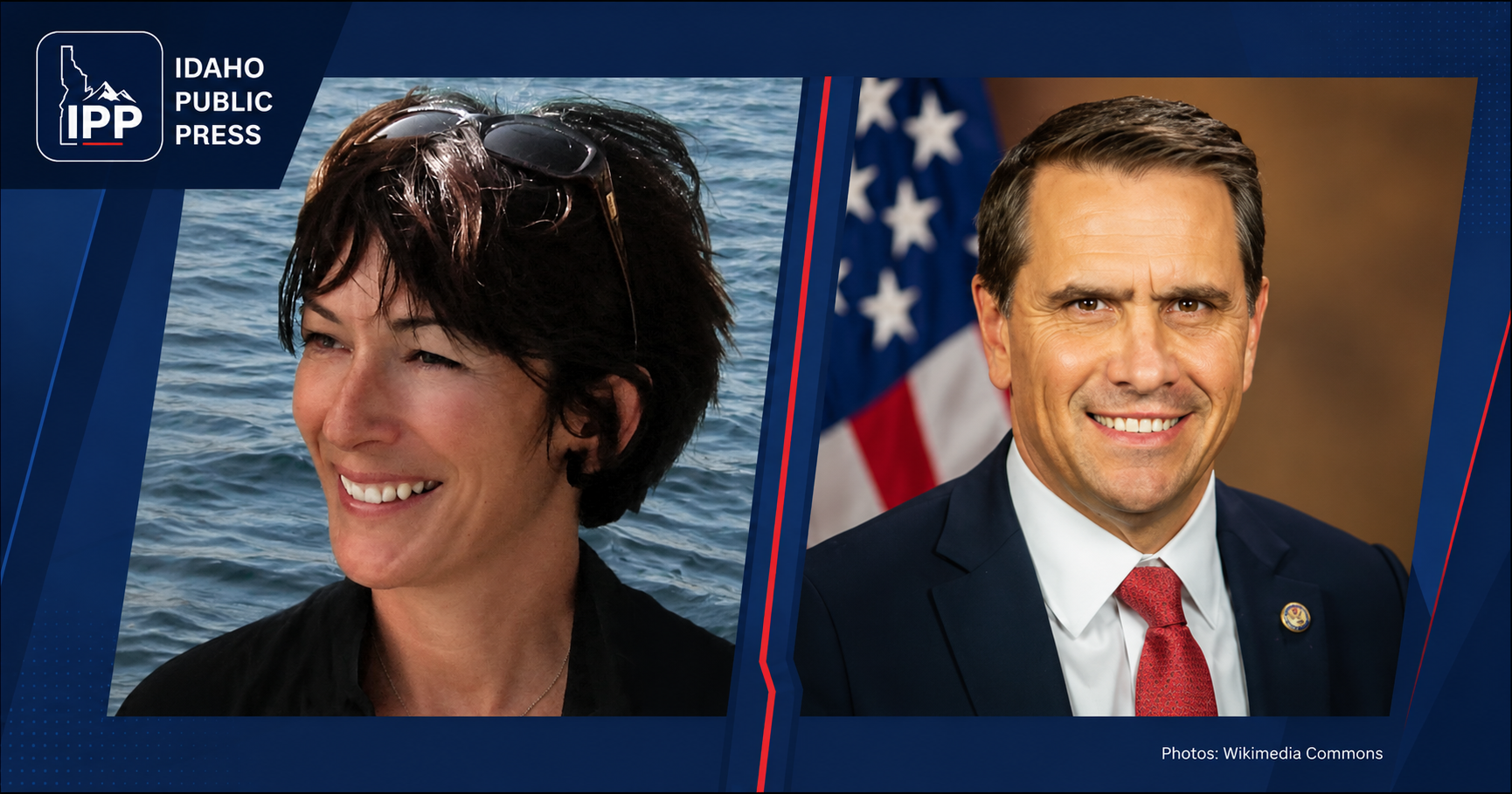
The records do not accuse Blanche of wrongdoing. They show why his role is under fresh scrutiny as survivors press the Justice Department for accountability beyond Epstein and Maxwell.
Todd Blanche was implicated during testimony from a member of Jeffrey Epstein’s inner circle: Ghislaine Maxwell appears in redacted Justice Department interview transcripts dated July 24 and July 25, 2025, being questioned by Blanche, identified in one DOJ transcript as deputy attorney general, about Jeffrey Epstein. The testimony from Epstein’s inner circle matters because it puts Blanche inside the Epstein case record as DOJ faces pressure over files, victims and possible additional prosecutions.
The key context is narrower than the word implicated can suggest: the available records do not show Blanche accused of Epstein-related misconduct. They show him as a senior Justice Department official personally conducting a high-stakes interview with Maxwell, whose credibility, motives and value as a witness are all contested.
Why the wording matters
In ordinary political shorthand, saying someone was “implicated” can sound like an allegation of wrongdoing. Here, the cleaner reading is that Blanche has been drawn into the Epstein record because he was part of the government interview process involving Maxwell.
That distinction matters. The Epstein case is full of legitimate public suspicion, unresolved questions and anger from survivors. It is also a legal record where words carry weight. A transcript showing Blanche questioning Maxwell is not the same thing as evidence that Blanche participated in Epstein’s crimes or concealed them.
What it does show is influence. Blanche was not a bystander watching the Epstein fallout from a distance. The Justice Department records place him in the room, asking questions of the most notorious surviving insider in Epstein’s circle.
What the transcripts show
The Justice Department’s redacted transcript materials identify Maxwell as the interview subject and list Todd Blanche among the officials involved. One DOJ transcript identifies him as “Todd Blanche, Deputy Attorney General,” alongside another Justice Department official.
A second redacted transcript dated July 25 includes Blanche discussing “testimony” and saying he was using the term in its “broadest sense.” That is important because the underlying document is an interview transcript, not a conventional courtroom proceeding before a judge and jury.
That leaves a basic but significant point: the public record appears to capture a government interview with Maxwell that is being discussed as testimony in a broader sense. It is evidence of what Maxwell said to officials, not automatic proof that any statement she made was true.
The redactions also limit what can be known. The public can see enough to understand Blanche’s role in the interview process, but not enough to fully evaluate every question, answer, lead or investigative choice that may have followed.
Maxwell’s value is contested
Maxwell is not just another witness. She was Epstein’s longtime associate, and PBS NewsHour, citing Associated Press reporting, described her as convicted of luring teenage girls to be sexually abused by Epstein. That makes her both central to the history of the case and deeply compromised as a source.
For investigators, someone like Maxwell could potentially describe networks, patterns, names and logistics that outsiders cannot. For survivors and skeptics, she also has obvious reasons to shade the truth, protect herself or control the narrative.
That tension is why the Blanche-Maxwell interview matters. If DOJ treated Maxwell’s account as a lead-generating exercise, the next question is what independent evidence supported or contradicted it. If the interview was more about closing political pressure, critics will see it as inadequate from the start.
The public documents do not resolve that. They show access to a central Epstein figure. They do not show whether that access produced usable evidence against anyone else.
Survivors pressed Blanche directly
The scrutiny around Blanche is not limited to the Maxwell transcripts. PBS NewsHour reported that Blanche met with Epstein accusers at Justice Department headquarters in Washington after pressure from a Republican senator whose support was important to his nomination to lead the department.
After that meeting, Blanche told reporters he encouraged accusers to come to the FBI with information that could help investigators build cases against additional people tied to Epstein. But he also acknowledged he could not promise more prosecutions.
His own description captured the bind. “It wasn’t all cordial,” Blanche said, according to PBS/AP reporting, because survivors wanted “some form of justice” that he did not know whether he could deliver through prosecutions.
One survivor, Dani Bensky, sharply criticized the meeting as a “check-the-box” exercise meant to help Blanche’s confirmation prospects. She said he offered “no credible plan” to pursue accountability beyond Epstein and Maxwell. That criticism goes directly to the trust problem DOJ faces.
The political fight is bigger
The Epstein files have become a recurring political flashpoint because they sit at the intersection of criminal accountability, elite access and public distrust. The Justice Department has released large volumes of investigative material, but disclosure has not ended the suspicion that more remains hidden or unexplained.
A Congressional Record entry later referred to Blanche conducting a “secret interview” with Maxwell, language that reflects how quickly the issue became part of a Senate fight over transparency and confirmation politics. CNN also reported on a tense meeting involving Blanche and Epstein survivors, underscoring that the controversy has moved well beyond document management.
There are competing pressures here. Prosecutors cannot ethically charge people without admissible evidence. Survivors and the public are also entitled to expect a serious accounting of whether Epstein’s network included additional criminal actors who escaped consequences.
Blanche is now associated with both sides of that divide: the official caution of DOJ and the public demand for answers.
What remains unanswered
The biggest unknown is not whether Blanche asked Maxwell questions. The public record indicates that he did. The bigger unknown is what DOJ did with the information after those interviews.
Did Maxwell provide names, timelines or claims that could be independently checked? Did investigators pursue corroboration? Did redactions conceal active investigative leads, privacy protections or material DOJ simply does not want public? The available documents do not answer those questions.
That is why the word “implicated” should be handled with care. Blanche is implicated in the process, meaning his role is now part of the Epstein case record. He is not, based on the available public material, implicated as a participant in Epstein’s abuse.
The practical takeaway is sober: the Maxwell transcripts make Blanche a central figure in the government’s handling of the Epstein aftermath. Whether that becomes a story about accountability, missed opportunity or ordinary prosecutorial limits depends on what DOJ can prove, what it releases, and whether survivors believe the department is doing more than managing the optics.







Leave a Reply