

The shift gives Blanche a clearer path through the Senate Judiciary Committee, but the fight exposed lingering GOP unease over Trump-era Justice Department priorities.
Todd Blanche’s attorney general nomination received a major boost in Washington on Monday, August 3, 2026, after 2 Republican senators ended their holdout. John Cornyn of Texas and Thom Tillis of North Carolina said they would support Blanche’s confirmation to lead the Justice Department after the deal that resolved their concerns, clearing the way for the U.S. Senate Judiciary Committee to act Tuesday.
The reversal matters because Blanche’s path to becoming attorney general had stalled over a politically combustible issue: a proposed $1.8 billion “Anti-Weaponization Fund” tied to President Donald Trump’s settlement with the IRS. The new question is whether written concessions are enough to settle the nomination fight — or merely move it to the next stage.
The holdout became leverage
Cornyn and Tillis were not random Republican skeptics. Their votes mattered because Blanche’s nomination needed to get through the Senate Judiciary Committee before it could move toward the full Senate.
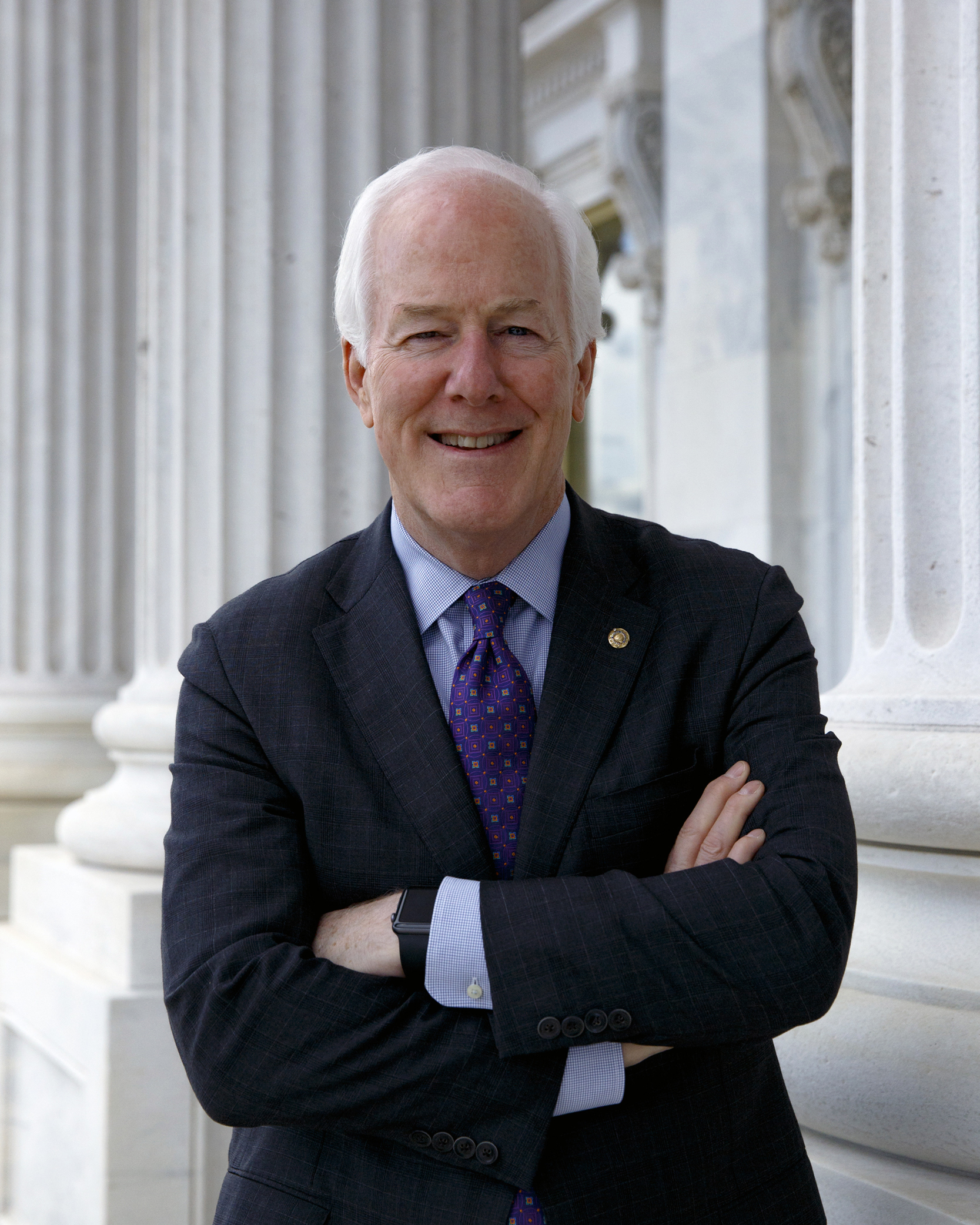
According to the Associated Press, both senators had threatened to block Blanche unless the Justice Department formally addressed two concerns: the proposed compensation fund and the scope of tax-audit protections in Trump’s IRS settlement.
The committee had already postponed a vote that had been scheduled for Thursday after Cornyn and Tillis said they needed more from the administration. That delay turned a confirmation process into a public test of how far Senate Republicans were willing to press Trump’s Justice Department.
By Monday, the two senators said they were satisfied enough to proceed. In a joint statement reported by AP, Cornyn and Tillis said they were grateful to Blanche and his staff and looked forward to voting to advance the nomination soon.
What the deal put in writing
The breakthrough centered on a written order from Blanche, issued late Sunday, saying the Justice Department was formally ending the proposed “Anti-Weaponization Fund.” The proposal had been connected to Trump’s lawsuit against the Internal Revenue Service and had triggered bipartisan alarm.
Blanche wrote that the department was confirming “beyond any doubt, that there is no Fund,” AP reported. The order said no members had been appointed, no money had been transferred, no claims process had been set up and no claims had been paid.
That language was important because Blanche had previously said the Justice Department was scrapping the fund, but skeptical lawmakers wanted more than verbal assurances. Cornyn and Tillis had sought a document that would make it harder for the administration to revive the plan quietly.
The deal also addressed a separate concern about tax-audit immunity. Under the clarification described by AP, the audit language applies only retroactively to claims open at the time of the settlement and does not shield Trump from examination of future tax filings. It also says the protection applies only to the parties in the lawsuit: Trump, two of his sons and the Trump Organization.
Why the fund drew backlash
The proposed $1.8 billion fund was controversial because it raised the possibility that people who claimed they had been unfairly prosecuted by the Justice Department could seek compensation. Critics feared that could include people charged in connection with the Jan. 6, 2021, attack on the U.S. Capitol.
Trump has defended the idea of compensation, saying people who faced Jan. 6-related charges had their lives damaged. AP reported that Trump said Sunday such payments would be “a reimbursement for the pain that they suffered.”
That put Republican senators in a difficult position. Supporting Blanche without limits on the fund could expose them to criticism that they had blessed taxpayer-funded payments to Capitol rioters. Blocking him risked a clash with Trump and his allies.
The written order gave Cornyn and Tillis a way out. They could say they had forced the Justice Department to legally end the fund, while still supporting the president’s nominee to lead the department.
Blanche’s path is clearer now
With Cornyn and Tillis backing him, Blanche is in a stronger position heading into the Judiciary Committee’s Tuesday vote. Their support does not guarantee final confirmation, but it removes the immediate Republican roadblock that had put his nomination in doubt.
The committee step is especially significant because it determines whether Blanche’s nomination can advance to the full Senate. If the panel reports the nomination favorably, the fight shifts from a small group of holdouts to the broader Senate floor.
Trump had signaled frustration with the delay. AP reported that after the Thursday vote was postponed, Trump suggested he might withdraw Blanche’s nomination and resubmit it after Cornyn and Tillis leave office next year. He later threatened to move forward with the fund if the two Republicans blocked Blanche.
Instead, the administration chose the cleaner route: give the senators written concessions, preserve the nomination and avoid a prolonged intraparty standoff over a fund that had already become politically toxic.
Democrats say issues remain
Democrats are not treating the deal as the end of the controversy. Sen. Adam Schiff argued that the arrangement still does not prevent future payments to Jan. 6 defendants through other existing government claims processes, according to AP.
Schiff also criticized the tax-audit language, saying it could still benefit Trump and remained vague about who and what was covered. That argument points to the core Democratic concern: even if this specific fund is dead, the administration may still have tools to reward allies or limit scrutiny.
Republicans who supported the deal see it differently. Cornyn and Tillis said they were pleased that Blanche agreed to constrain the audit protections and legally end the fund. For them, the paper trail is the point.
The split leaves a larger question unresolved: whether Congress can meaningfully police a Justice Department that is operating in close alignment with Trump’s political agenda, especially when the department itself controls many of the mechanisms at issue.
The confirmation fight is not over
Blanche’s résumé adds another layer to the debate. He served as Trump’s defense lawyer in criminal cases before joining the Justice Department last year as deputy attorney general. He later became acting attorney general after Pam Bondi was fired in April, AP reported.
Since taking over the department, Blanche has moved quickly to carry out the administration’s priorities. Supporters can frame that as responsiveness to the elected president’s agenda. Critics see a Justice Department drifting too close to the personal and political interests of the man who nominated him.
The immediate effect of Monday’s reversal is straightforward: Blanche’s confirmation prospects improved sharply because two key Republican senators dropped their opposition. The deeper effect is messier. The episode showed that even within Trump’s party, some lawmakers wanted written limits before handing Blanche the permanent job.
For now, the nomination is moving again. What remains unclear is whether the written deal will calm doubts about the Justice Department’s direction — or become the first exhibit in the next round of Senate scrutiny.






Leave a Reply