
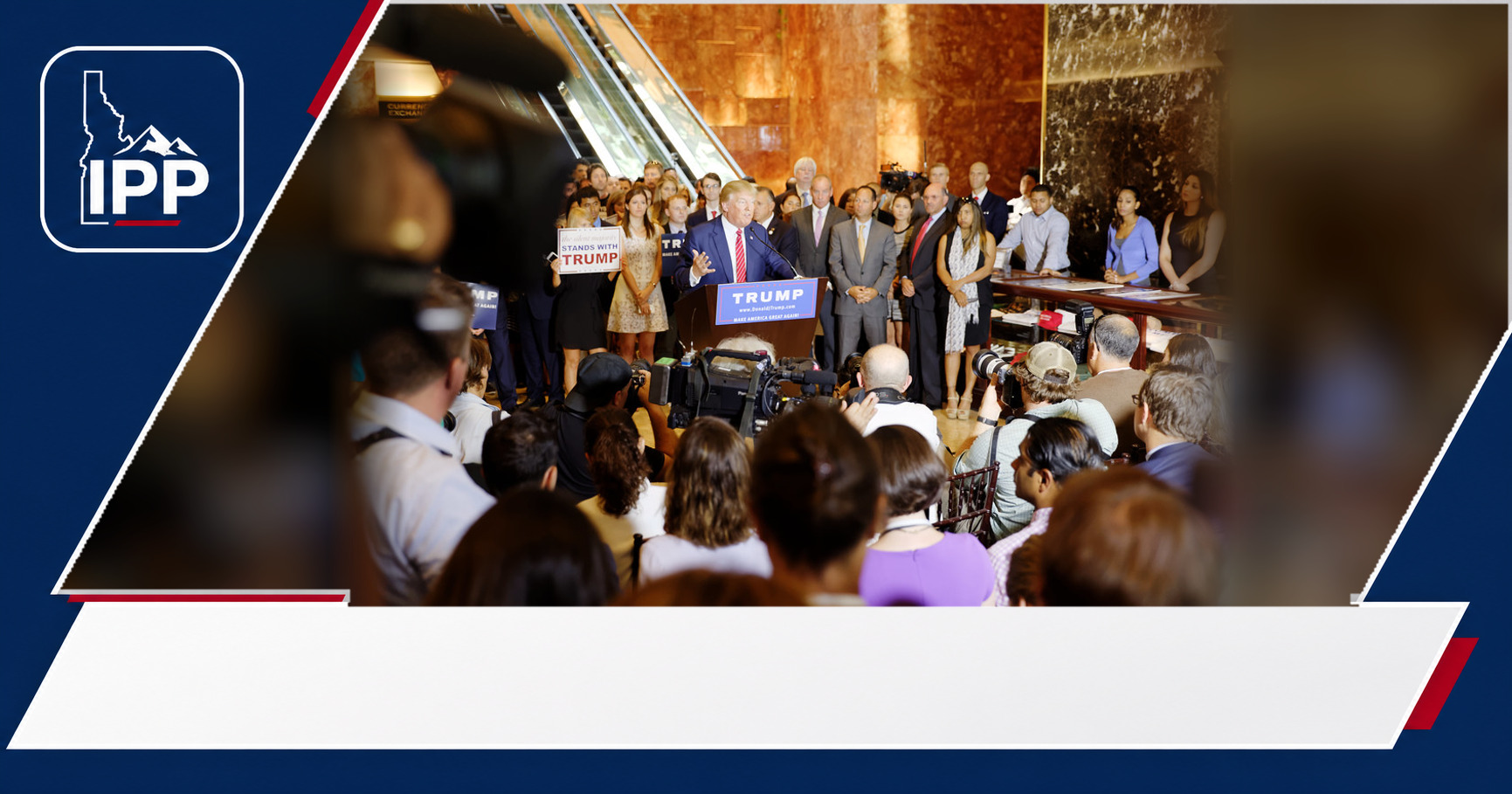
Trump said Iran and other Middle Eastern countries asked him to hold off any attack because the “perimeters of a deal” had been agreed to. The Wall Street Journal’s editorial focused on the gap between that claim and the details made public.
A Wall Street Journal editorial challenged Donald Trump’s latest claim about Iran by concentrating on a basic issue: what, exactly, had been agreed to.
According to the Journal, Trump posted late Saturday that Iran and other Middle Eastern countries had asked him to hold off any attack because the “perimeters of a deal” had been agreed to. The editorial said he added that the arrangement would include the “Immediate, Complete, and Total” opening of the Strait of Hormuz and an end to Iran’s nuclear program.
The Journal’s criticism was not that Trump chose to pause. It was that, as the editorial put it, he offered no other details after describing a result with major military, energy and nuclear stakes.
The claim covered two major flashpoints
The two elements the Journal highlighted were not minor diplomatic language. The Strait of Hormuz is a central shipping route, and Iran’s nuclear program has been at the center of years of U.S. policy fights.
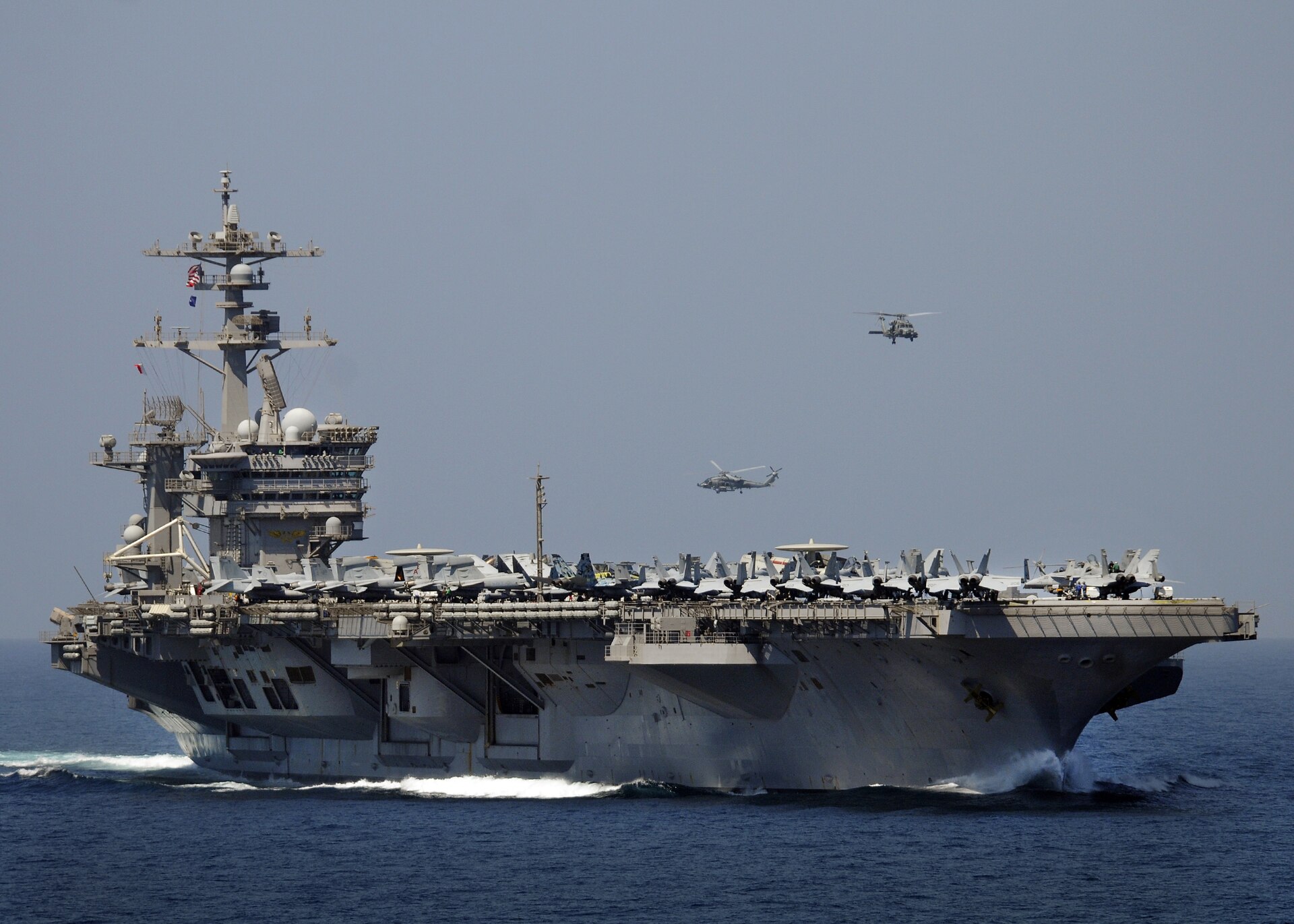
That is why the editorial treated Trump’s phrasing as consequential. A claimed opening of the strait and an end to the nuclear program would require more than a broad public assertion to evaluate.
The Journal did not present a public text of an agreement in the excerpted editorial, and it said Trump provided no other details. That left the paper questioning whether the announcement reflected a concrete deal, an early diplomatic opening or something less defined.
The timing made the reversal stand out
The editorial also put Trump’s Saturday post against what it said had been happening days earlier.
According to the Journal, its reporters had reported Friday that Trump had made a decision to escalate. The next day, Trump said he had been asked to hold off any attack because a deal’s “perimeters” had been agreed to.
That sequence is central to the Journal’s skepticism. If the United States was moving toward escalation and then paused, the missing piece is what changed between those two points.
The editorial used a Nobel Peace Prize joke about Trump repeatedly ending the Iran war to frame its doubt, but its substantive point was narrower: the public explanation did not yet show enough about the claimed agreement.
Saudi Arabia was part of the Journal’s reading
The Journal also cited a report from Saudi Arabia’s national news agency saying Crown Prince Mohammed bin Salman had asked Trump to stand down.
The editorial described a possible Saudi concern that oil facilities and tankers could become targets for Iran in the Gulf and for Iran’s Houthi proxy in the Red Sea. That was presented as a possible reason a regional partner would want the United States to avoid the next step.
The Journal added that, if the Saudi account was true, it would be another sign that Iran had escalation dominance in the conflict.
That point gave the editorial a sharper edge. It suggested that the pause might not only be about a breakthrough in talks, but also about the risks that Iran and aligned forces could impose if the confrontation widened.
The 2018 Iran record remains relevant context
Trump’s latest Iran claim also sits against his earlier break with the Obama-era nuclear agreement.
In 2018, during Trump’s first presidency, the United States withdrew from the Joint Comprehensive Plan of Action. Then-Secretary of State Mike Pompeo said the administration would work with allies toward a “real, comprehensive, and lasting solution” to the Iranian threat.
The State Department statement at the time said that effort would extend beyond the nuclear issue to include Iran’s ballistic missile program, terrorism and activity across the Middle East.
That history helps explain why a new claim about ending Iran’s nuclear program would draw close scrutiny. Trump’s Iran policy has long been framed around seeking something broader and tougher than the JCPOA.
What remains unclear
The facts identified by the Journal leave several points unresolved.
- What specific terms, if any, had Iran accepted?
- What role did other Middle Eastern countries play in asking Trump to hold off?
- Whether the possible military escalation was canceled, delayed or left available as an option?
- What would demonstrate that the Strait of Hormuz had been opened as Trump described?
- What would count as an end to Iran’s nuclear program?
Those questions follow from the Journal’s central objection: Trump announced a sweeping development, but the editorial said he did not provide further details.
If more concrete terms emerge, the assessment could change. Based on what the Journal described, however, the public record contained a dramatic pause, a large claim and too little detail to judge the claimed Iran deal on its merits.



Leave a Reply