
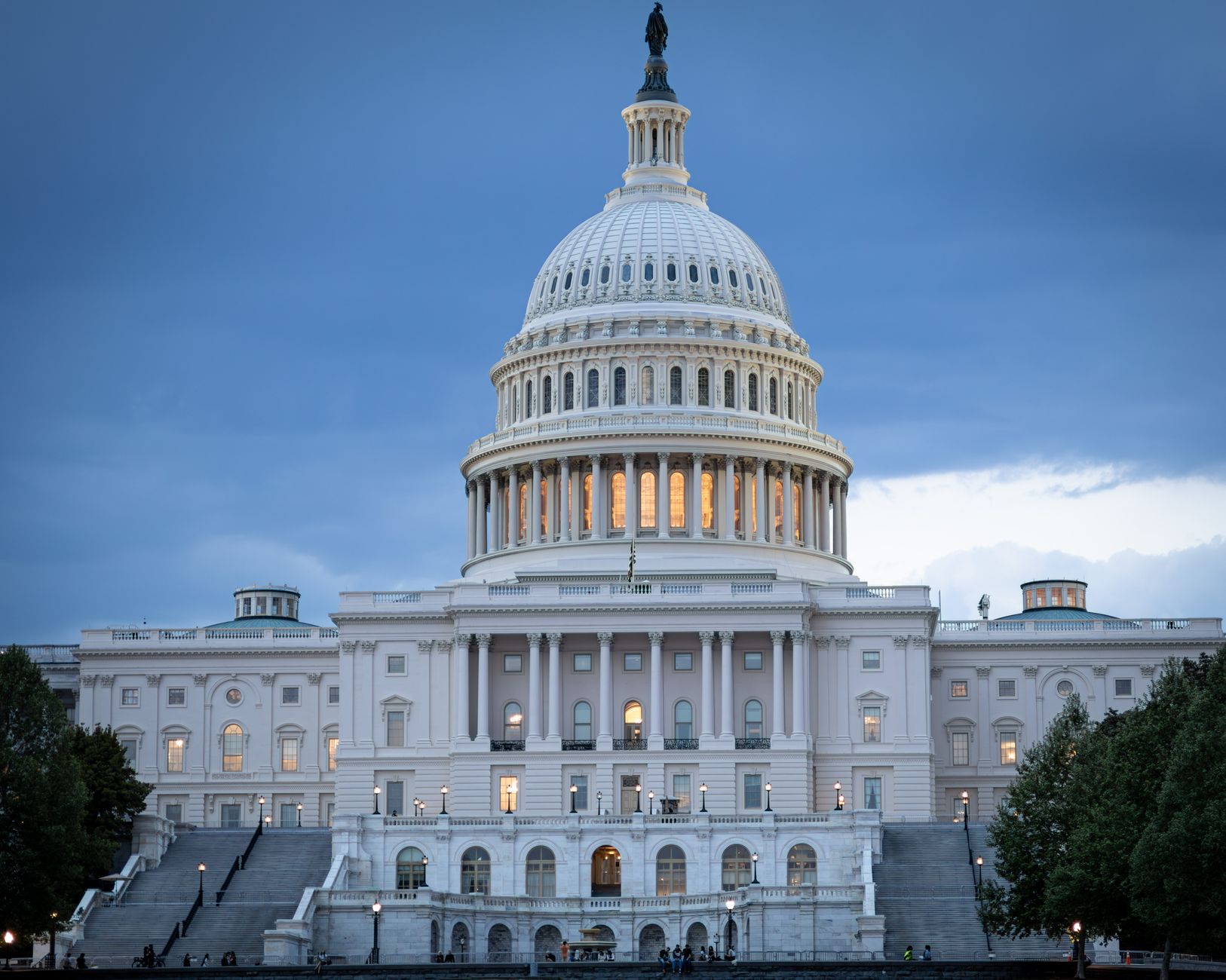
The latest uproar is not just inside-baseball drama. In a narrowly divided House, procedural votes can become power struggles that stop legislation before the real debate begins.
The most revealing fight in the House is often not the final vote everyone sees. It is the vote before the vote, the procedural step that decides whether the chamber can even get to business.
That is why a new wave of attention around a House procedural breakdown matters. When process collapses, it is not just a bad day for leadership. It can become a warning that the majority no longer has reliable control over the floor.
Procedure is now the fight
A recent opinion piece in The Hill described the House as being shaken by a procedural implosion. The phrase lands because it captures a shift that has been building for years: House procedure is no longer a quiet operating manual. It is a battlefield.
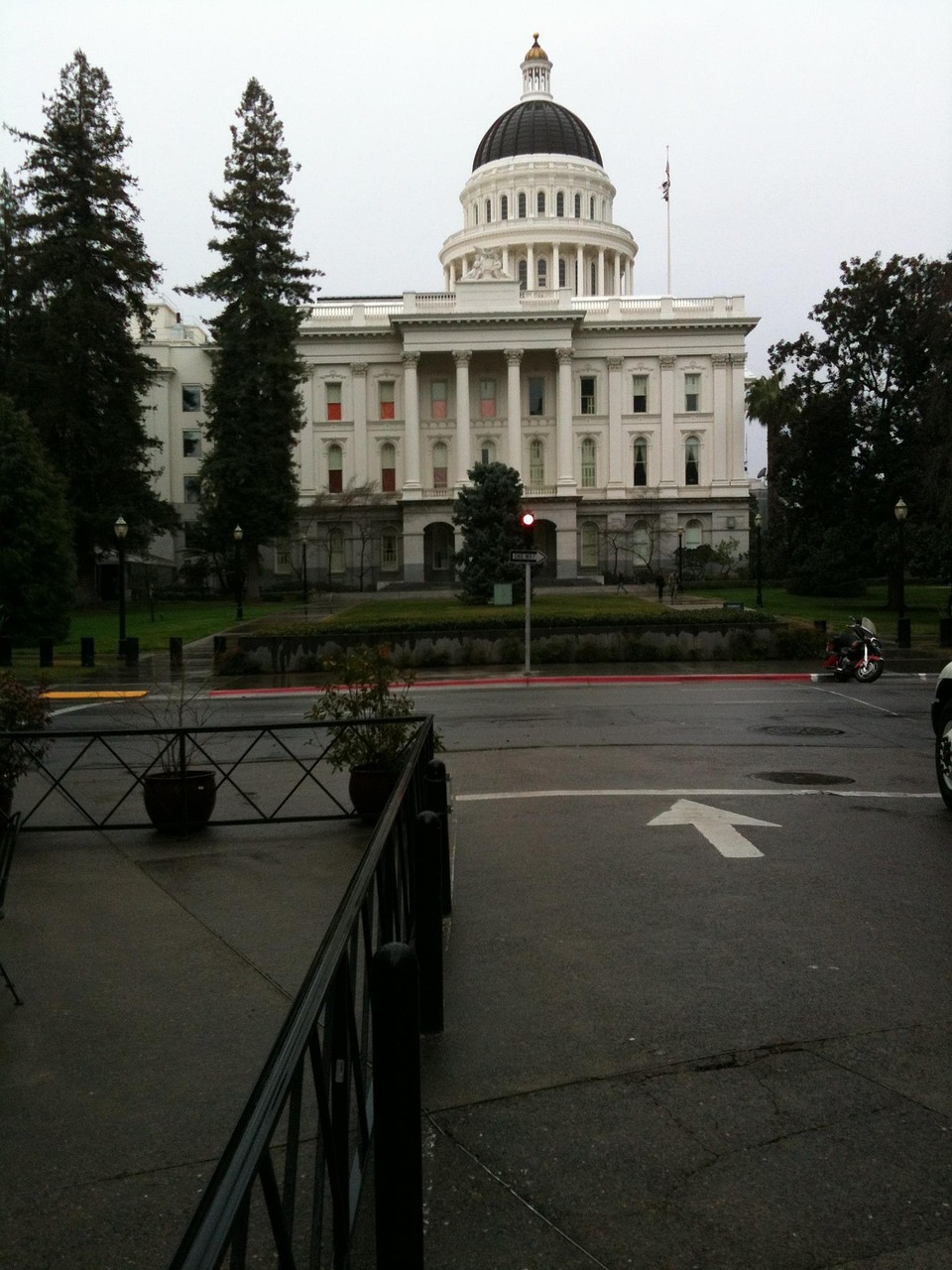
For many voters, that sounds like Washington jargon. But procedure decides what bills come up, how long they are debated, what amendments are allowed and whether the chamber can move from talking to voting.
In a calmer Congress, those steps can look routine. In a narrowly divided and factionalized House, they become leverage points. A handful of members can use them to punish leaders, block priorities or force concessions long before a bill reaches final passage.
That is the real tension behind any procedural collapse. It suggests the governing coalition may be too divided to perform the basic mechanics of governing.
The vote before the vote
House floor action often depends on procedural agreements that set the terms for debate. One of the most important is the rule, usually crafted through the Rules Committee, that determines how a bill will be handled on the floor.
Voting for a rule does not always mean a member supports the underlying bill. It often means the member is willing to let the House consider it. Voting against a rule, by contrast, can be a dramatic act of rebellion because it can stop the whole process cold.
That is why procedural defeats hit harder than ordinary policy disagreements. A majority party can survive some members opposing a final bill if it has help from the other side or if the vote math works. But if its own members repeatedly block the path to debate, leadership loses the ability to schedule with confidence.
In practical terms, procedure becomes a pressure valve. Members who lack the votes to rewrite a bill can still threaten the route the bill must take. That power grows when the majority is slim and every internal faction knows leadership has little room to maneuver.
McCarthy made the risk visible
The modern warning sign came into full view in 2023, when then-Speaker Kevin McCarthy was removed from the speakership after a motion to vacate. The Guardian reported at the time that the motion to vacate is the House procedure used to remove a speaker, and that under the chamber’s rules then, any one member could introduce it as a privileged resolution.
That mattered because a privileged resolution cannot simply be ignored forever. The House must consider it at some point, though procedural votes can affect timing. In McCarthy’s case, the motion passed 216 to 210, making him the first House speaker in U.S. history to be removed from office.
The lesson was not just that one speaker lost his job. It was that procedural tools could become existential threats to leadership. A rule change or floor maneuver that once seemed technical could reshape the balance of power inside the majority.
The Guardian also noted the historical backdrop: the motion to vacate had surfaced before, including during fights involving Speakers Joseph Cannon, Newt Gingrich and John Boehner. But McCarthy’s removal showed how a procedural weapon can move from threat to reality when party discipline breaks down.
Small factions can wield big power
The House is built around majority rule, but narrow margins change the meaning of majority. If leaders can lose only a few votes, small blocs gain the ability to demand more.
That does not always mean they win on policy. Sometimes they win on timing, amendments, messaging or internal rules. Sometimes the point is simply to show that leadership cannot assume loyalty.
For the members using these tactics, procedure can be a rational tool. It attracts attention, creates leverage and forces negotiations that might otherwise happen behind closed doors. For leaders, it is destabilizing because each procedural vote becomes a test of authority.
The result is a chamber where routine steps carry outsized political meaning. A failed procedural vote can signal deeper trouble than a failed bill because it shows that the majority may not agree on how to govern, not merely what to pass.
Why voters should care
It is tempting to dismiss procedural drama as Capitol Hill self-absorption. The problem is that process affects outcomes voters do feel: spending deadlines, defense policy, disaster aid, border legislation, farm programs, tax measures and basic government funding.
When the House cannot manage its floor, legislation slows. Deals get harder to close. Deadlines become more dangerous. The Senate and White House may not know whether House leaders can deliver votes even after negotiations are finished.
There is also a trust cost. Voters may not follow the difference between a rule vote and final passage, but they notice when Congress looks unable to act. Procedural breakdowns feed the impression that the institution is stuck in permanent internal combat.
That impression can become self-reinforcing. Members raise money off confrontation, media attention rewards spectacle, and the procedural floor fight becomes a stage for proving ideological toughness.
The leadership dilemma ahead
House leaders have only a few ways to manage procedural unrest, and none is easy. They can cut deals with internal holdouts, but that may encourage more demands. They can seek votes from the other party, but that can anger their own members. They can try to change rules, but rule changes are themselves political fights.
They can also narrow the agenda to items that unite the majority. That may reduce blowups, but it limits what the House can do and leaves major problems unresolved.
The deeper issue is not one rule or one rebellion. It is whether the House majority can maintain enough shared purpose to let the institution function. Procedure works best when members accept that losing some fights is part of governing. It breaks down when every procedural step becomes a hostage point.
The latest attention around a House procedural collapse is a reminder that Congress does not fail only through loud ideological clashes. Sometimes it fails in the machinery, when the chamber cannot agree on the road to a vote. In today’s House, that road may be the most contested ground of all.






Leave a Reply