

The dispute puts a powerful federal official, a national magazine and First Amendment protections on a collision course. A judge now has to decide whether Patel’s claims can move forward or whether the case ends early.
The Atlantic is asking a judge to dismiss Kash Patel’s defamation lawsuit, and The Atlantic calls Patel’s suit an attack on the Constitution — an “assault” on core press protections — in a Monday dismissal bid. The $250 million case, filed in April by Patel, the FBI director, concerns reporting on Patel’s alleged excessive drinking and job performance. Patel alleges The Atlantic defamed him and relied on false sources or sources “not in a position to know the facts.”
The fight matters because it is not just about one article. It pits a sitting law-enforcement chief against a national magazine and raises a familiar but high-stakes question: when does harsh reporting about a public official become actionable defamation, and when is a lawsuit itself a threat to newsgathering?
A lawsuit over one article
Patel’s lawsuit targets The Atlantic over an article about his conduct as FBI director. CNBC reported in April that Patel sued the magazine for $250 million, claiming defamation over a piece that alleged he abused alcohol and described concerns about his behavior and absences.
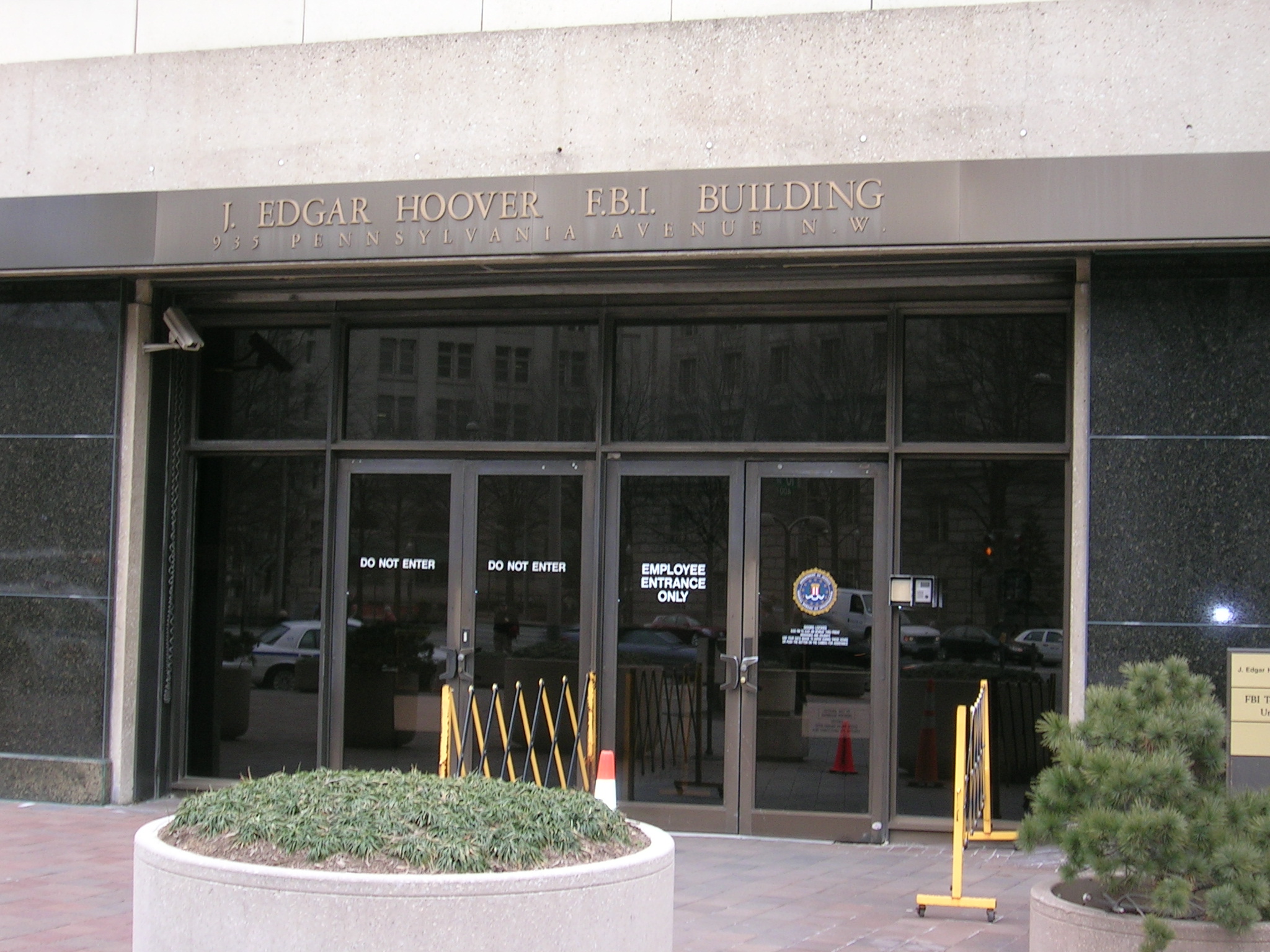
The article at issue carried the headline “Kash Patel’s Erratic Behavior Could Cost Him His Job,” according to CNBC. Its subhead said the FBI director had “alarmed colleagues” with episodes of excessive drinking and unexplained absences.
Patel’s complaint, filed in U.S. District Court in Washington, also named the article’s author, Sarah Fitzpatrick, as a defendant, CNBC reported. The suit described the article as a “malicious” and defamatory hit piece.
The Atlantic’s position is the opposite: that its journalism is protected, that Patel’s claims are meritless, and that allowing the case to punish reporting would undermine constitutional protections for the press.
The Atlantic wants dismissal
In its Monday response, The Atlantic asked the court to toss Patel’s lawsuit, according to The Hill. The magazine also said it wanted permission to begin factual discovery from the FBI and the Department of Justice, including documents and depositions of key individuals.
That discovery demand is significant. If a public official files a defamation suit, the case can move beyond arguments about words on a page and into a search for records, communications and testimony about the underlying events.
The Atlantic framed that step as appropriate given Patel’s allegations. In other words, the magazine is saying that if Patel wants to litigate the accuracy and sourcing of its reporting, it should be able to seek evidence from the government agencies and people connected to the dispute.
Jeffrey Goldberg, The Atlantic’s editor in chief, said in a statement reported by The Hill that if Patel “did not want to face this process, he should not have filed this suit.” Goldberg said the outlet would defend The Atlantic and its staff “vigorously.”
Patel challenges the sourcing
Patel’s core allegation is that The Atlantic defamed him by publishing claims he says were false and by relying on sources he says could not reliably know the facts. The Hill reported that Patel’s suit accuses those sources of being part of an orchestrated smear campaign.
That is the central factual clash. Patel is not only disputing the article’s conclusions; he is attacking the basis for the reporting. In defamation litigation, that distinction matters because courts often examine what a publisher knew, what it checked and whether it acted with the required level of fault.
The Atlantic, for its part, says the case is politically motivated retaliation. Goldberg said the magazine would not be intimidated and would continue to cover the FBI “professionally, fairly, and thoroughly,” according to The Hill.
Both sides are now using the language of principle. Patel’s side says reputation and truth are at stake. The Atlantic says constitutional press freedom and the ability to report on powerful officials are at stake.
Public officials face a high bar
Defamation cases brought by public officials are not ordinary reputation disputes. Under long-standing First Amendment doctrine, a public official generally must do more than show that a statement was damaging or wrong. The official must typically show “actual malice,” meaning the publisher knew the statement was false or acted with reckless disregard for the truth.
That standard is designed to leave breathing room for reporting, criticism and mistakes in coverage of government power. It does not give journalists permission to invent facts. It does make it harder for officials to use defamation suits to silence aggressive coverage.
That is why The Atlantic’s constitutional language is so pointed. By calling the suit an assault on the Constitution, the magazine is arguing that the case threatens more than its own newsroom. It is trying to place Patel’s lawsuit inside a broader debate over press scrutiny of officials who control major public institutions.
Patel’s counterargument, judging from the complaint described by CNBC and The Hill, is that the First Amendment does not protect false and damaging claims. That is also true as a general principle. The judge’s task is to decide whether Patel has pleaded a legally sufficient case, not whether either side has won the public argument.
The FBI stakes are unusual
The subject of the reporting adds another layer. Patel is not a private citizen. He is the FBI director, a role that places him at the center of federal law enforcement, national security investigations and politically charged scrutiny.
The Hill reported that Patel has faced scrutiny from government watchdogs and congressional Democrats over his handling of various investigations and allegations of excessive drinking. Those matters remain allegations unless established by evidence, but they explain why the reporting drew attention.
The Atlantic’s request for discovery from the FBI and Justice Department could turn the case into a broader fight over internal records. That prospect may be one reason the magazine is emphasizing that Patel chose to sue and should therefore be prepared for the litigation process that follows.
There is also a separate but related media dispute. The Hill reported that Patel’s girlfriend, Alexis Wilkins, filed a lawsuit against cable news channel MS NOW over reporting that alleged Patel directed a security detail to escort one of her friends home after a night of drinking. That case is separate from Patel’s suit against The Atlantic, but it shows how the same cluster of allegations has spilled into multiple legal fights.
What remains unresolved
The immediate question is procedural: will the judge dismiss Patel’s case, narrow it, or allow it to proceed into discovery? A dismissal would be a major win for The Atlantic and a signal that Patel’s complaint did not meet the legal threshold at this stage.
If the case survives, the stakes shift. The parties could battle over documents, depositions, source-related questions and government records. Discovery in a case involving the FBI director could become contentious quickly, especially if internal agency communications are sought.
What is not yet clear is how much evidence Patel can present to support his claim that The Atlantic’s sources were false, unreliable or part of a smear campaign. It is also unclear how far the court would allow The Atlantic to probe the FBI and Justice Department in response.
For now, the legal fight has sharpened into a clean conflict: Patel says a magazine defamed him with false reporting about drinking and performance; The Atlantic says a powerful official is using a $250 million lawsuit to punish journalism. The judge’s next ruling will determine whether that clash ends early or becomes a deeper examination of both the article and the institution Patel leads.











Leave a Reply