
The uproar is not just about one magazine profile. It exposes how sensitive Trump-world remains to public criticism from inside its own senior ranks.
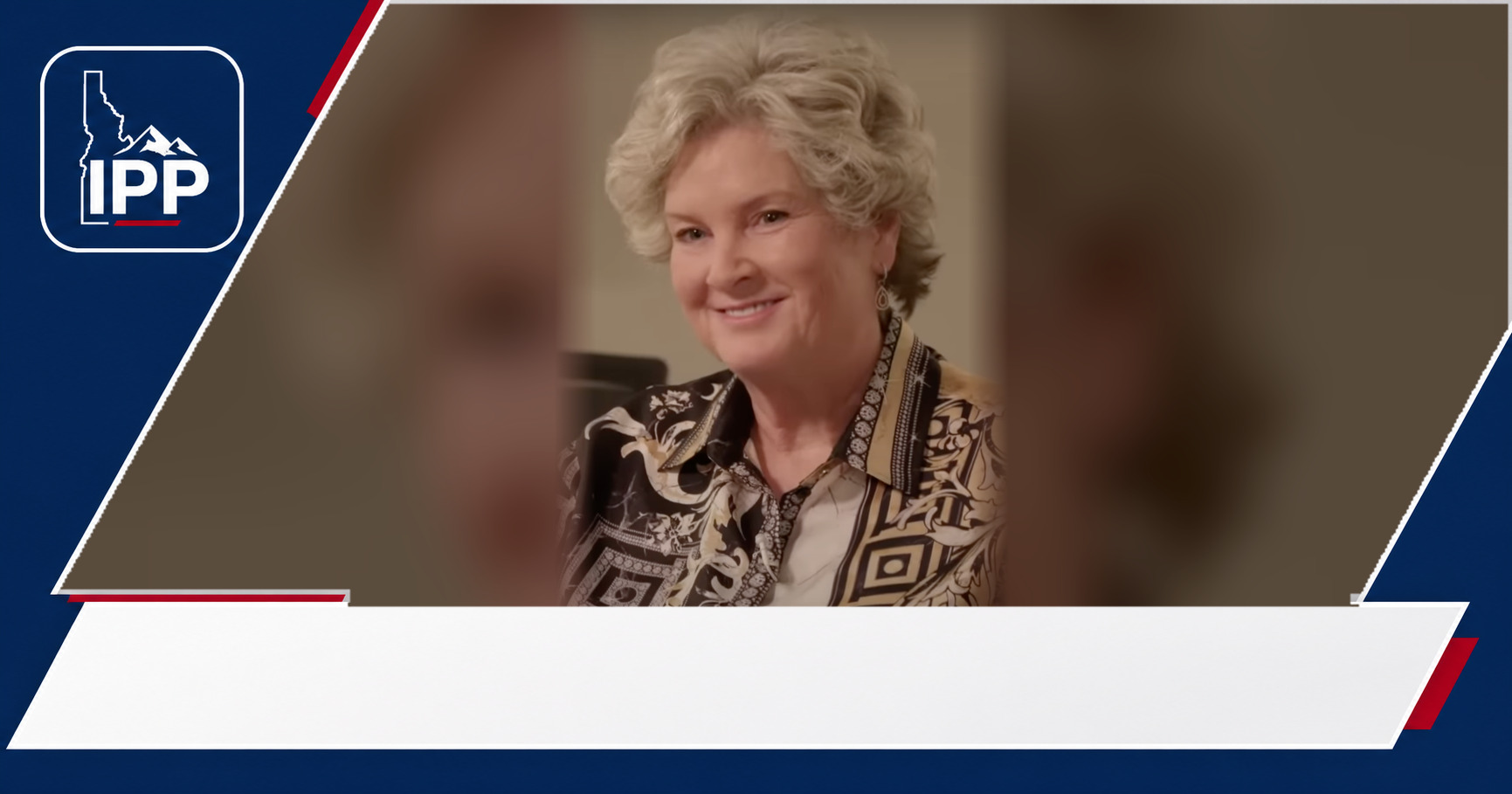
Susie Wiles is at the center of a MAGA internal conflict after comments attributed to her in Vanity Fair triggered backlash within Trump-aligned circles and forced the White House chief of staff to dispute the magazine’s account. The fight matters because Wiles is not a fringe voice in Trump world; she is one of President Donald Trump’s most powerful advisers and the first woman to hold the White House chief of staff job.
The dispute involves Wiles, Vice President JD Vance, Elon Musk, Vanity Fair and Trump allies who are now weighing whether her remarks were candor, context-stripping or a warning sign about factional stress inside MAGA.
Why Wiles drew fire
The controversy began with a Vanity Fair profile built from nearly a dozen interviews with Wiles, according to BBC News. In that article, Wiles was quoted describing Trump as having an “alcoholic’s personality,” while also saying Vance had been a “conspiracy theorist” for a decade.
Those are combustible phrases inside a political movement that prizes loyalty, message discipline and public unity around Trump. They also came from someone whose job is to keep the White House running, protect the president’s agenda and manage competing power centers around him.
Wiles pushed back quickly. In a post on X, she accused Vanity Fair of disregarding “significant context” and creating what she called an “overwhelmingly chaotic and negative narrative” about Trump and his team.
That denial did not erase the tension. It moved the fight into familiar Trump-era terrain: Was this an unfair media framing, or did the profile reveal something real about the inner circle?
The remarks that landed hardest
The line about Trump’s personality drew attention because Wiles tied it to her own experience growing up with an alcoholic father. She said, according to the BBC’s account of the profile, that “big personalities” were familiar to her and that Trump governs with the belief that “there’s nothing he can’t do.”
Wiles also reportedly addressed Trump’s approach to political adversaries. She said she did not think he wakes up thinking about retribution, but added that “when there’s an opportunity, he will go for it.” That is a sensitive subject because Trump’s critics have long argued that he seeks to use power against rivals, while his allies often frame his legal and political battles as responses to unfair treatment.
The comments about Vance carried their own political charge. Vance is no longer just a former Trump critic turned loyalist; as vice president, he is a central figure in the administration and a major force in the future of the movement.
Asked about the article, Vance said he had not read it, according to the BBC. He also joked that he only believes conspiracy theories that are “true,” citing reporting about former President Joe Biden’s health as an example.
Musk remains the wild card
Wiles’ sharpest comments appeared to focus on Elon Musk, whose time leading cost-cutting efforts at the Department of Government Efficiency, known as Doge, was already a flashpoint. Musk left government in May, according to the BBC, and later had a public falling-out with Trump on social media.
In the Vanity Fair account, Wiles described Musk as an “odd, odd duck” and referred to him as an “avowed Ketamine” user who slept in a sleeping bag in the Executive Office Building. Those comments cut across two sensitive lines at once: Musk’s personal conduct and his influence over government operations.
Wiles also said she was initially “aghast” at the idea of gutting the U.S. Agency for International Development. She acknowledged that Musk’s approach was built around speed and disruption, saying that if a person is too incremental, “you just won’t get your rocket to the moon.”
That is the broader MAGA argument in miniature. One side sees disruption as the point. Another worries that breaking institutions quickly can create consequences that even allies cannot fully defend.
Trump defended his chief of staff
Trump did not publicly abandon Wiles over the profile. In an interview with the New York Post, he described her as “fantastic” and suggested she had been “deceived” by the writer, according to the BBC.
That response matters. If Trump had turned on Wiles, the story would have instantly become a personnel crisis. Instead, the White House tried to frame the episode as a media-bias story rather than an internal loyalty breach.
Press secretary Karoline Leavitt also defended Wiles, telling the BBC that Wiles had helped Trump achieve what Leavitt called the most successful first 11 months in office of any president in American history. Leavitt said the administration was “united fully behind her.”
Leavitt later accused Vanity Fair of “bias of omission,” saying the magazine left out other interviews with White House staff and took Wiles’ words “wildly out of context.” Vanity Fair’s full editorial reasoning is not available from the provided reporting, leaving that dispute unresolved.
Why this MAGA fight matters
The phrase “MAGA civil war” can sound overheated, but the underlying dynamic is real: Trump’s coalition includes campaign veterans, institutional Republicans, online influencers, tech figures, populist hard-liners and ambitious successors. Wiles sits at the point where all those factions meet.
That makes her different from a commentator or outside ally. She is a gatekeeper. Her words can be read not only as personal observations, but as signals about who has influence, who creates problems and which fights inside the administration are wearing thin.
For Trump allies, the danger is not simply embarrassment. It is that the profile gives critics a vocabulary for describing internal dysfunction, while giving rival factions inside MAGA a reason to sharpen knives against one another.
For Wiles, the risk is narrower but serious: a chief of staff needs the president’s trust, the staff’s confidence and enough fear or respect from outside power players to enforce decisions. A public dispute over her private assessments can weaken that authority even if she keeps her job.
What remains unclear
Several key questions are still open. Musk had not commented on the Vanity Fair piece at the time of the BBC report. It is also unclear how much of the backlash is coming from senior administration figures, online MAGA voices or outside allies trying to influence the narrative.
The White House position is clear: Wiles was treated unfairly, context was missing and the administration remains behind her. The Vanity Fair account, as reported by the BBC, presents a more revealing portrait of a powerful aide navigating Trump, Vance, Musk and the competing demands of a second-term White House.
Both things can carry weight at once. Profiles can flatten nuance, and senior officials can still say things that expose real strain.
The immediate lesson is that loyalty politics does not eliminate conflict; it raises the cost of admitting it. Wiles’ dispute with Vanity Fair became a MAGA flashpoint because it touched the movement’s most sensitive nerve: whether the people closest to Trump are fully aligned, or simply managing the chaos better than anyone else can.


Leave a Reply