
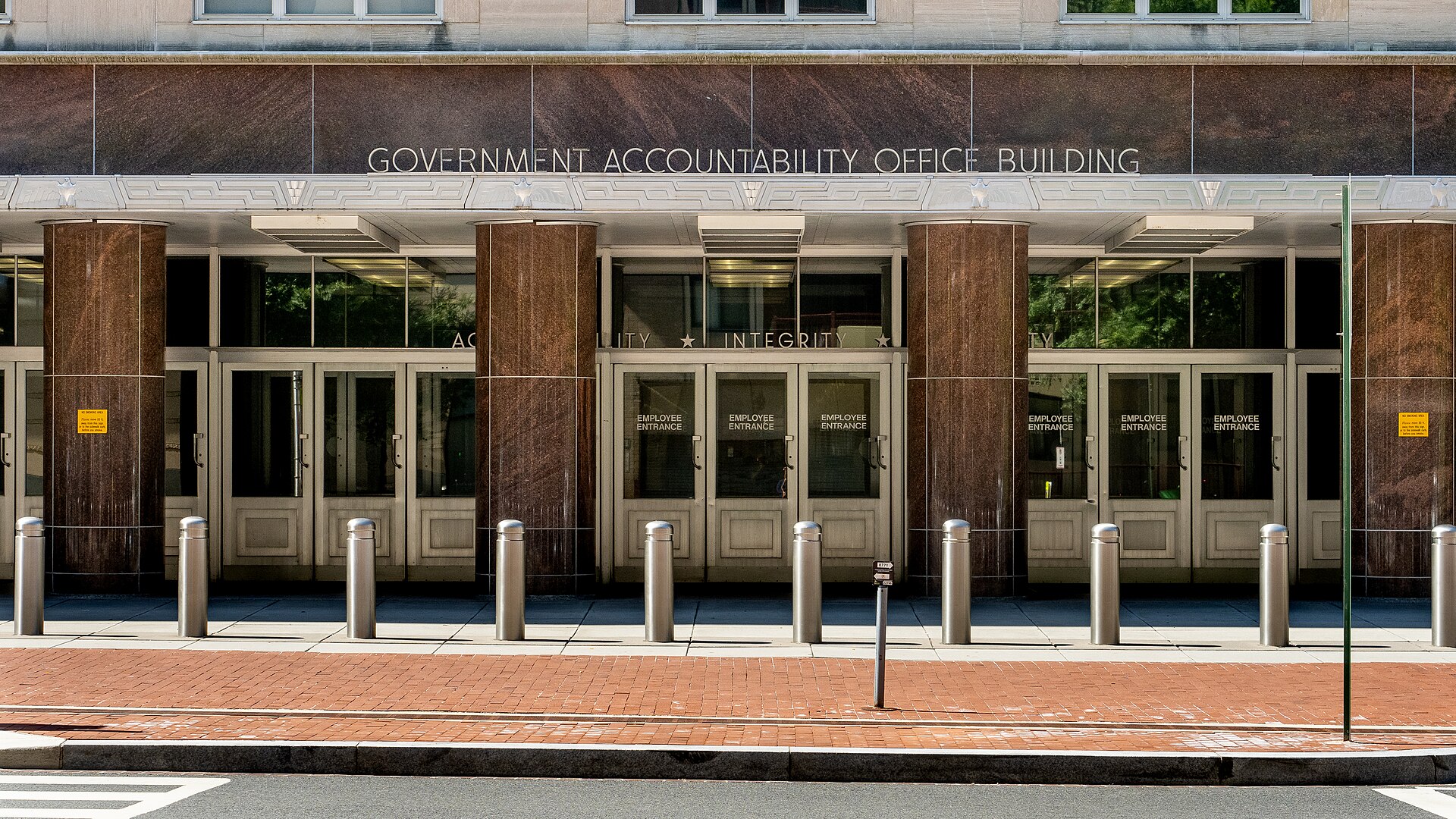
The government’s public accounting of cost-cutting is under fresh scrutiny after auditors found key limits in DOGE’s online savings claims. The review does not say every listed saving vanished, but it raises major questions about how the total was calculated.
DOGE overstated savings on its federal receipts website, according to the U.S. Government Accountability Office’s August 2026 review. The Wall of Receipts showed $110 billion in claimed savings as of July 7, 2026, but auditors said some figures were incorrect or lacked supporting evidence, including 108 leases already being phased out before DOGE was established.
The findings matter because DOGE’s public tally has been a central measure of its effort to reshape federal spending. GAO did not conclude that every listed contract, grant or lease saving was invalid; it found that the website’s methods and documentation did not consistently allow the public to tell what the claimed savings actually represented.
The problem with the public tally
DOGE began posting estimated savings to its Wall of Receipts on February 17, 2025. The page was intended to show results from agency reviews of federal contracts, grants and real-estate leases that could be ended or modified.
GAO’s review found that the page gave readers a large topline number without enough consistent explanation of how many of its underlying figures were derived. That is an important distinction in federal budgeting: identifying a contract for termination, announcing a planned cut and realizing a cash saving are related events, but they are not automatically the same thing.
Auditors said some of DOGE’s estimates were incorrect, while others lacked sufficient evidence. In practical terms, the agency watchdog found that a visitor could not reliably assess many claims from the website’s own disclosures.
108 leases were already ending
The lease findings offer the clearest example of the attribution problem. Of the 264 leases on the Wall of Receipts identified for termination, 108 were already in the process of being terminated when DOGE was created, GAO said.
Those 108 leases accounted for roughly $15.3 million of the page’s stated $53.5 million in lease savings. A lease that was already being phased out may still reduce government costs, but presenting it as a new DOGE-driven saving can overstate the initiative’s direct impact.
That does not necessarily mean the lease terminations were improper or that no money would be saved. The watchdog’s concern was whether the website gave the public an accurate account of who initiated the action and how the total was produced.
Contract and grant methods were unclear
GAO said DOGE was not transparent about the methods it used to calculate reported savings. For the majority of contracts shown as terminated, auditors found DOGE did not use the methodology it had stated publicly.
The grant figures had a similar verification problem. GAO said DOGE did not provide enough information to verify the calculation method for 96% of the savings it reported from grants.
For leases, the Wall of Receipts did not explain how projected savings were calculated. Without details such as remaining payment obligations, termination penalties, replacement costs or the timing of the cuts, a claimed saving can be difficult to compare with actual budget outcomes.
One selected contract reviewed by GAO illustrates the scale at stake. DOGE reported $1.7 billion in savings tied to a Defense Health Agency information-technology services contract covering more than 700 military treatment facilities worldwide. GAO said its review identified potential savings, but the basis for some reported savings was unknown.
Why estimated savings need context
Cost-cutting programs often rely on estimates because a decision to end, modify or avoid an agreement can have effects over several years. Estimates can be useful, especially when agencies need to explain major operational changes quickly.
But estimates need labels and assumptions. A credible public ledger should distinguish between planned savings, savings that have been obligated or realized, cuts initiated before a new program began, and amounts that may be offset by transition or replacement costs.
Supporters of DOGE’s approach can reasonably argue that the effort brought attention to contracts and assets that deserved closer examination. Critics can point to GAO’s findings as evidence that speed and public-facing totals were prioritized over verifiable accounting. The audit does not settle the broader debate over reducing federal spending; it addresses whether the evidence behind a particular public scorecard was sufficiently reliable.
GAO calls for clearer limits
GAO recommended that the Wall of Receipts prominently disclose its data limitations. That recommendation goes beyond correcting individual entries: it seeks to make the uncertainty visible to people using the site.
The question now is whether DOGE or the agencies connected to the listed actions will revise the page, explain its calculations and separate independently supportable savings from rough estimates. The report, as described by GAO, focuses on transparency and reliability rather than supplying a replacement total for the $110 billion figure.
For taxpayers, lawmakers and agency managers, the takeaway is straightforward. A large savings number may signal an ambitious cost-cutting campaign, but it is not by itself proof of savings that have occurred. The documentation behind the number—and whether it distinguishes old decisions from new ones—is what makes the claim useful.








Leave a Reply