
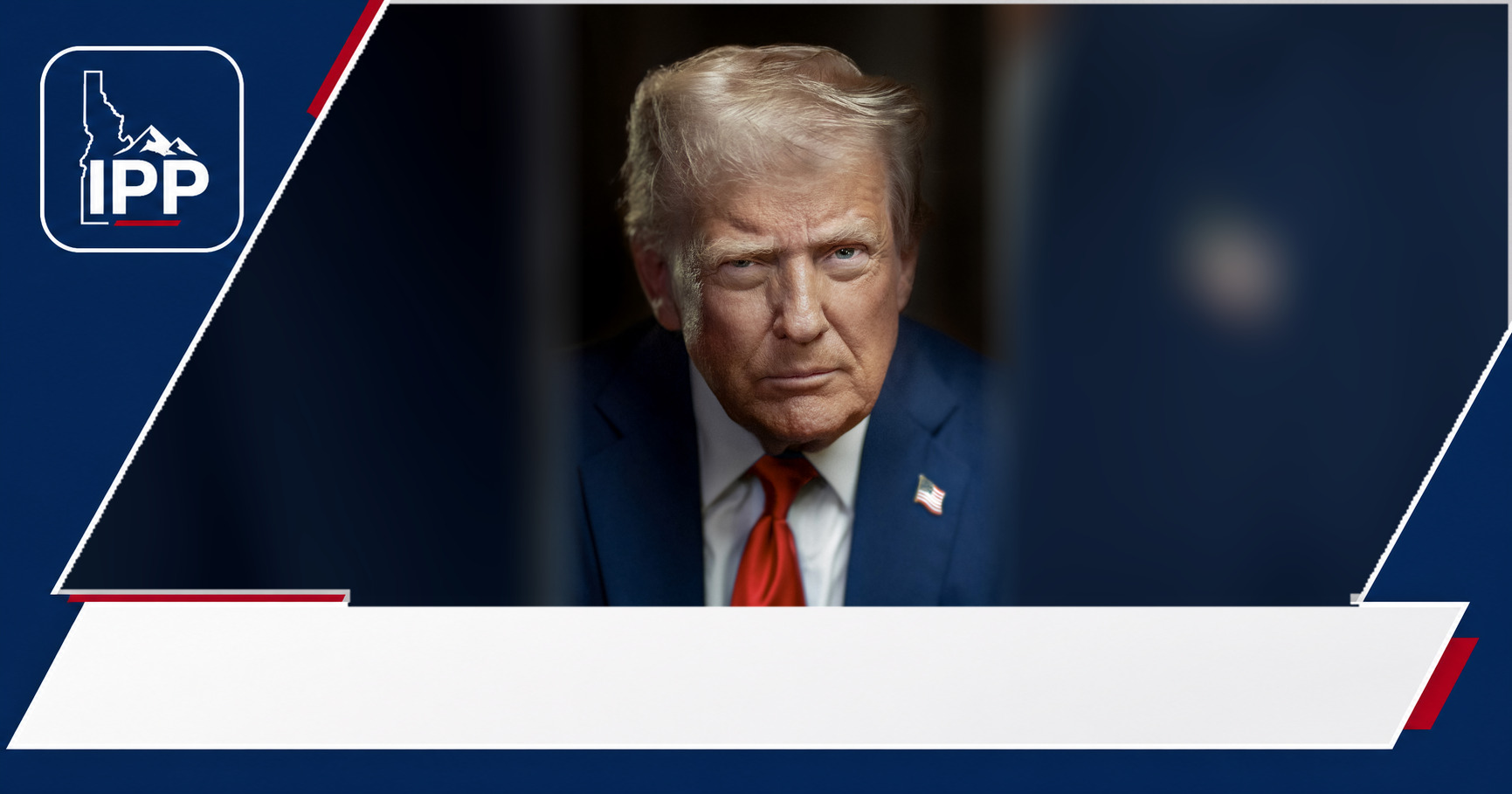
The fight is not only about money. Critics say the settlement blurred the line between Trump’s private legal interests and the federal government he again controls.
A legal challenge described Donald Trump’s IRS settlement as “breathtakingly corrupt” and illegal. Now, according to BBC and Reuters reporting, U.S. District Judge Kathleen Williams has voided the $1.8 billion deal, which followed Trump’s $10 billion lawsuit against the IRS over leaked tax records and reportedly included protections tied to IRS audits.
The stakes go beyond one payout. The challenge asks whether a president can benefit from a settlement negotiated by government officials while he is in office, especially when the deal also touches IRS rules meant to keep presidential tax enforcement free from political pressure.
The deal under attack
At the center of the dispute is Trump’s claim that the IRS failed to protect his private tax information before details from his returns became public. According to reporting from the BBC and Reuters, Trump pursued a $10 billion lawsuit against the IRS and later reached a $1.8 billion settlement.
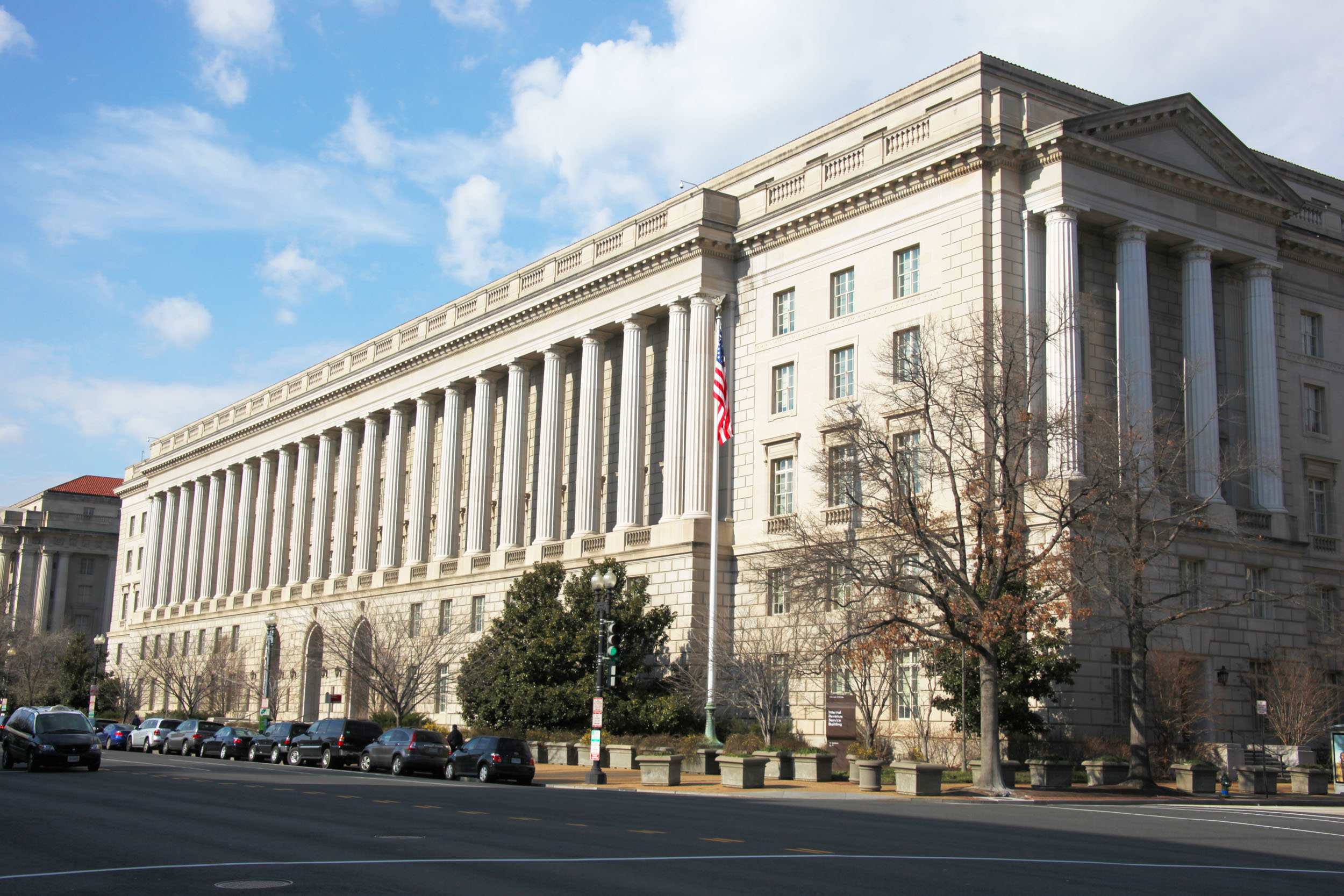
The settlement drew scrutiny because it was not just a damages agreement. According to BBC reporting, the deal gave Trump exemptions or immunity tied to tax audits, a feature critics said made the agreement extraordinary.
That is why the word “corrupt” has become part of the political and legal vocabulary around the case. The allegation is not simply that Trump got a favorable deal. It is that the federal government may have negotiated away public protections in a case involving the sitting president’s own financial interests.
Why the judge objected
U.S. District Judge Kathleen Williams, sitting in the Southern District of Florida, voided the settlement and sharply criticized the way it came together, according to the BBC. Reuters reported that the judge found Trump had improperly used the court in the IRS case and referred lawyers for discipline.
One line from Williams’s order captures the court’s concern. Referring to the officials negotiating for the United States and Trump’s current lawyers, she wrote that “it is risible to suggest that there was ever adverseness between the Parties,” according to the BBC.
That matters because settlements in federal litigation usually require opposing sides to act at arm’s length. Here, the judge questioned whether the government and Trump were truly on opposite sides once Trump was back in the White House and appointees connected to his legal orbit were involved.
The court also singled out two Trump attorneys. The BBC reported that Alejandro Brito was referred to the Florida bar for potential disciplinary action, while Daniel Epstein was barred from joining cases in the Southern District of Florida for at least a year.
The leak case behind it
The dispute began with a real breach of taxpayer privacy. Trump’s tax information was leaked by former IRS contractor Charles Littlejohn, and those records helped inform New York Times reporting before the 2020 election, according to the BBC.
That reporting said Trump paid $750 in federal income taxes in 2016, the year he won the presidency, and no federal income taxes in 10 of the previous 15 years. Trump has long objected to the release and coverage of his tax records, arguing that his private information was unlawfully exposed.
Trump’s side frames the IRS case as accountability for a serious government failure. In a statement to the BBC, a spokesman for Trump’s legal team said the IRS “wrongly allowed a rogue, politically-motivated employee to leak private and confidential information” to the media.
The spokesman added that “President Trump continues to hold those who wrong America and Americans accountable.” That is the strongest version of Trump’s argument: the government failed to safeguard taxpayer data, and he was entitled to seek damages.
The audit immunity problem
The most explosive part of the settlement is the reported protection from tax audits. A large cash settlement would have been controversial on its own. Audit immunity raises a different question: whether a private settlement can limit how the IRS applies rules designed to preserve public trust.
The IRS has special procedures for auditing presidential tax returns. Those safeguards exist because presidents oversee the executive branch, including the Treasury Department and IRS. Any deal that appears to shield a president from normal tax scrutiny invites questions about unequal treatment.
Brandon DeBot, policy director at the Tax Law Center, called the agreement a “sweetheart deal” and said it gave Trump “unauthorized and unprecedented” exemptions from tax audit rules, according to the BBC. His criticism points to a larger concern: tax enforcement depends on the appearance and reality that no taxpayer gets political preference.
The counterargument is that Trump’s case arose from an unusual and damaging privacy breach. Even critics of the settlement do not have to minimize the seriousness of leaked tax records to argue that the remedy still had to be legal, transparent and negotiated at arm’s length.
Why this case matters now
The case lands at the intersection of presidential power, tax secrecy and the independence of the Justice Department. If the government can settle a sitting president’s private claim on unusually favorable terms, opponents argue, the public may have no confidence that federal lawyers are protecting taxpayers rather than the president.
There is also a practical budget issue. A $1.8 billion payment would be public money. Courts generally give the executive branch room to settle lawsuits, but judges can intervene when they believe a case has been misused or a settlement crosses legal lines.
The lawsuit and the judge’s ruling also put Trump’s lawyers under scrutiny. Referrals for discipline do not automatically mean misconduct will be found, but they signal that the court saw potential professional responsibility issues serious enough for outside review.
For the IRS, the episode is another test of credibility after years of partisan fights over tax enforcement. The agency must protect taxpayer privacy, but it also must avoid appearing to grant special treatment to the most powerful taxpayer in the country.
What remains unresolved
The immediate effect of the judge’s action is that the settlement cannot stand as approved. What happens next may depend on appeals, any further settlement effort, disciplinary reviews and whether the government continues to defend any part of the agreement.
Several questions remain open:
- Whether Trump’s legal team will appeal the order voiding the settlement.
- Whether any narrower settlement could survive judicial review.
- How bar authorities respond to the referral involving Alejandro Brito.
- Whether the IRS audit-related provisions are abandoned entirely.
The clean takeaway is that this is no longer just a fight over leaked tax returns. It is now a test of whether the legal system will allow a president’s private grievance to become a government-backed settlement that changes how the IRS treats him.




Leave a Reply