

Blanche’s acknowledgment was about problems in the Justice Department’s Epstein-files release, not a newly reopened criminal case. The dispute shows how errors in a records release can deepen distrust among survivors, lawmakers and the public.
Todd Blanche faced criticism from a legal expert after acknowledging mistakes in the Justice Department’s handling of Jeffrey Epstein-related files. The expert’s criticism, summarized in a Raw Story headline as Blanche having “messed up,” followed Blanche’s admission that errors were made in the Epstein-files release and his apology to survivors.
Blanche did not describe mishandling the underlying Jeffrey Epstein criminal case in the available hearing account. He addressed mistakes involving redactions and the release process — a distinction that matters because the controversy centers on whether the government protected victims while meeting demands for public disclosure.
What Blanche actually acknowledged
According to the BBC’s account of Blanche’s Senate confirmation hearing, lawmakers pressed him over the Justice Department’s release of millions of records connected to Epstein, the late convicted sex offender.
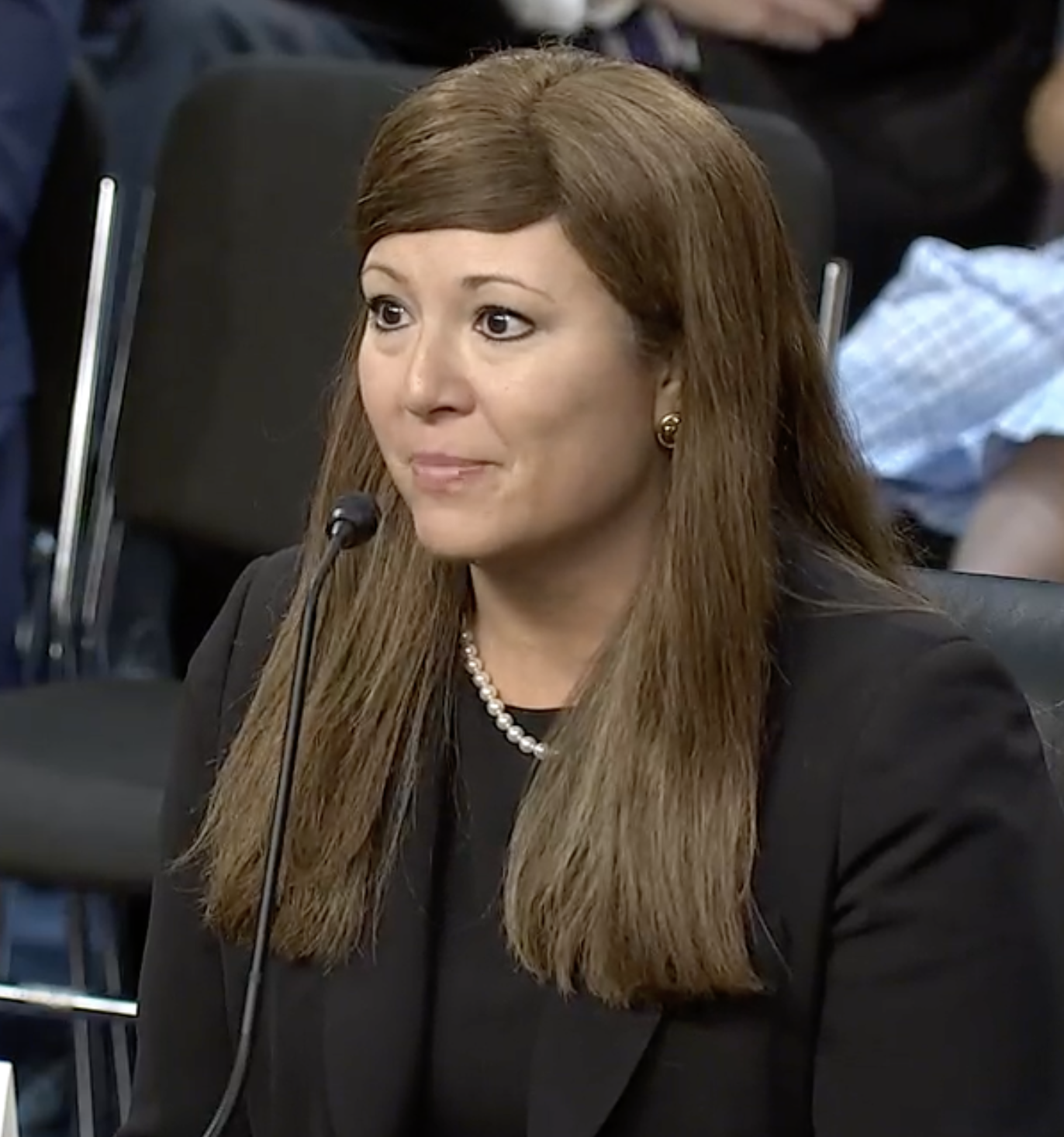
Blanche said releasing and redacting roughly six million pages on a short timetable had been a “Herculean task.” He acknowledged that mistakes occurred and said about 1% of the redactions had to be corrected.
During questioning from Democratic Sen. Richard Blumenthal, Blanche was asked whether he would apologize to Epstein survivors for “the mishandling and mistakes.” Blanche responded that mistakes should not have happened and apologized.
That is the concrete admission supported by the available reporting: an apology for errors in the handling and publication of Epstein-related records. It is not, based on the supplied material, an admission that he mishandled the original Epstein prosecution or investigation.
Why the distinction is important
“The Epstein case” can mean very different things. It may refer to Epstein’s criminal conduct and prosecutions, investigations into potential associates, civil litigation, or the government’s current release of files tied to those matters.
Blanche’s testimony concerned the last of those categories: the release and redaction of records. Compressing that into a claim that he “blew” the entire Epstein case creates a far broader impression than the hearing exchange establishes.
That does not make the release errors trivial. In a case involving sexual abuse survivors, disclosure mistakes can have serious consequences. Redactions are intended to protect sensitive personal information, avoid unjustified harm to people named in records and preserve legally protected material.
At the same time, excessive or unexplained redactions can fuel suspicions that officials are withholding information. The government’s challenge is to be transparent without turning a document dump into a new source of harm.
Lawmakers raised broader concerns
The BBC reported that Blanche’s hearing drew scrutiny from both parties. Senate Judiciary Committee Chairman Chuck Grassley, a Republican, raised concerns about problematic redactions, insufficient efforts to follow investigative leads and a refusal to meet with victims.
Questions also touched on Ghislaine Maxwell, Epstein’s longtime associate who was convicted on federal sex-trafficking-related charges. Lawmakers raised concerns about her transfer to a lower-security prison, according to the BBC.
Those issues explain why Blanche’s apology became politically potent. It was not only a technical discussion about whether a line on a page should have been blacked out. Critics framed the mistakes as part of a larger failure to communicate clearly with survivors and Congress.
Blanche’s defense was that the scale and speed of the task created a difficult operational problem. His critics’ answer is that the sensitivity of the records demanded more care, not less.
The legal expert’s criticism
The supplied Raw Story headline characterized a legal expert’s response as a sharp rebuke of Blanche’s admission, including the assertion that he had “messed up.” The available source brief does not identify that expert or provide the full comments, so the basis and scope of the expert’s analysis cannot be independently assessed here.
Still, the criticism reflects a straightforward accountability argument: if the Justice Department concedes that avoidable mistakes affected an Epstein-files release, an apology alone may not answer questions about who made the decisions, what safeguards failed and how affected people were notified.
There is an opposing view. Large-scale releases often require agencies to weigh conflicting legal and ethical obligations under deadline pressure. A corrected redaction rate, standing alone, does not establish intentional concealment, a failure of the underlying investigation or misconduct by every official involved.
The strongest version of the criticism is therefore narrower than the rhetoric: a department that knew the stakes should be able to explain its errors plainly and show how it will prevent repeats.
Survivors are central to the dispute
About a dozen women wearing shirts featuring images of redacted documents attended the hearing, the BBC reported. Their presence underscored a concern that can be lost in partisan arguments over files: survivors are not simply spectators to a political controversy.
For survivors, errors in a records release may feel like a fresh institutional failure. They can raise worries about privacy, recognition, access to information and whether the government views victims as partners in the process rather than an afterthought.
For the public, the same episode raises a different but related question: what transparency should look like when records include allegations, investigative material and personal information that may be incomplete, untested or legally protected.
A responsible release process has to account for both. Publishing everything without care can be damaging; withholding too much without explanation can corrode confidence.
What remains unanswered
The available reports establish that Blanche apologized for mistakes in the Epstein-files release and that some redactions needed correction. They do not specify every affected document, the exact nature of each error, whether any individual’s information was improperly exposed, or what internal review followed.
They also do not establish the broader claim that Blanche mishandled the Epstein criminal case itself. That phrase should be treated cautiously unless supported by evidence beyond the records-release controversy discussed at the hearing.
Blanche’s confirmation process was still unresolved in the BBC report, with at least one Republican senator saying he had concerns and had not made a decision. The Epstein-files controversy is likely to remain part of the scrutiny around his leadership and independence.
The immediate takeaway is simple: Blanche has acknowledged errors and apologized. The more consequential test will be whether the Justice Department can provide a credible account of what went wrong, protect survivors and restore trust in how it handles the remaining Epstein-related material.









Leave a Reply