

A major oil transit route is effectively stalled, and the pressure is showing up in fuel costs. The dispute also exposes the political and economic risks of a longer conflict with no clear path back to negotiations.
Iran is defying U.S. demands over the Strait of Hormuz, saying the vital waterway will open or close only on Tehran’s terms. Donald Trump told Americans to accept continued high gas prices during the war, tying the pain at U.S. fuel pumps to his administration’s campaign against Iran.
The connection is direct: the Strait of Hormuz once carried roughly one-fifth of the world’s oil, but tanker traffic has nearly stopped. With the route disrupted, oil costs are rising, gasoline is more expensive and a foreign-policy confrontation is becoming a domestic economic issue.
Iran claims control of the strait
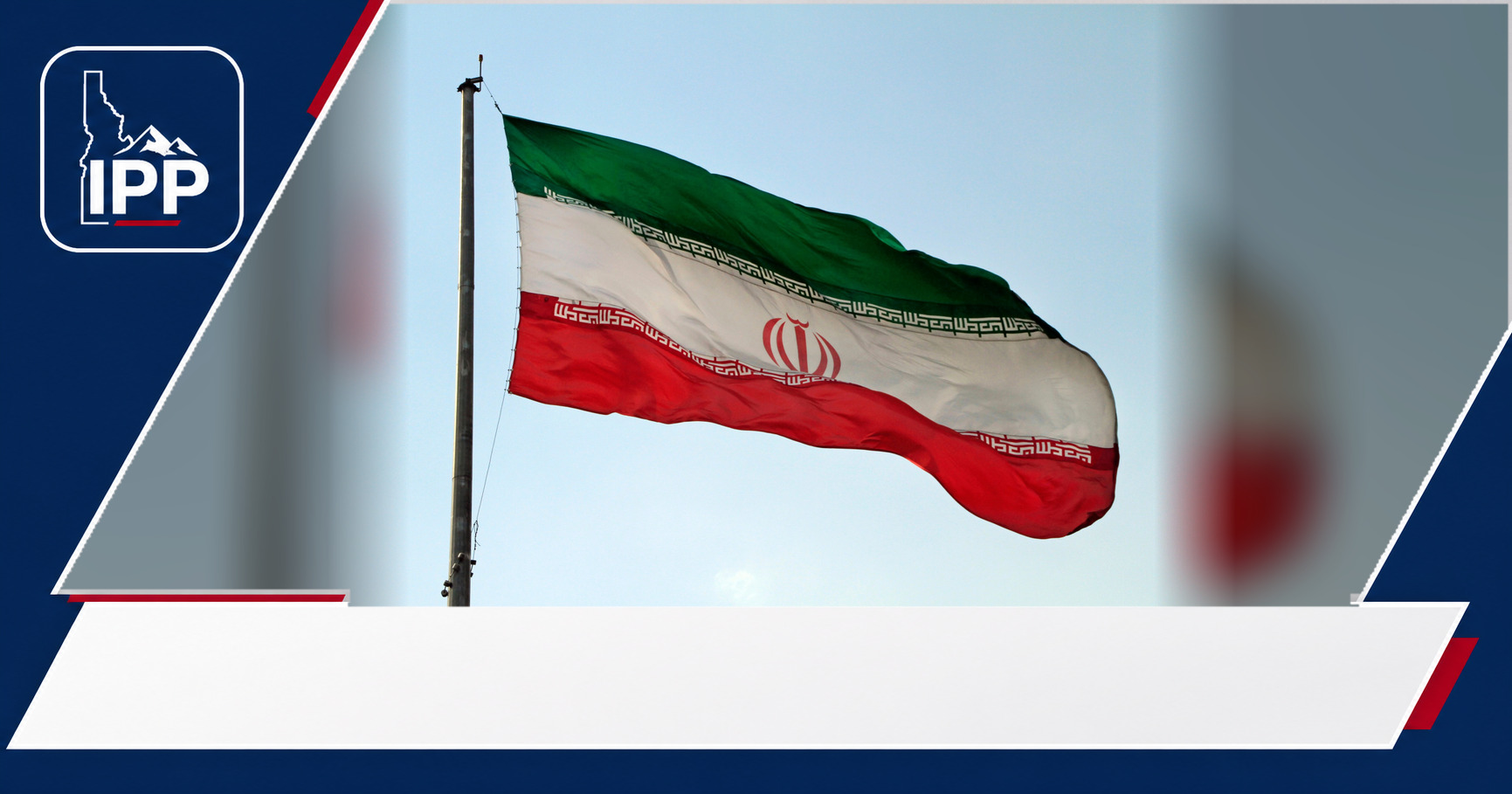
Iranian Deputy Foreign Minister Kazem Gharibabadi said Tehran would continue enforcing what it calls a blockade unless the United States accepts “the reality of defeat.” His message was blunt: Iran considers control of the strait a matter for Iran, not something Washington can dictate through military pressure or public statements.
The United States uses different language, describing its own actions as measures against Iranian shipping. That difference matters. Each side depicts itself as responding to the other, while commercial vessels are caught in a waterway that is central to global energy trade.
Iran’s Foreign Minister Abbas Araqchi also said Tehran had not decided whether to resume talks with Washington. He said the United States would have to meet Iranian conditions involving the strait before shipping could restart, according to Reuters.
That leaves little visible diplomatic progress. A tentative June arrangement meant to end the war has broken down, and the parties appear divided even over how to characterize the prior agreement.
Traffic collapse puts oil at risk
The Strait of Hormuz is a narrow passage between Iran and the Arabian Peninsula that connects the Persian Gulf to the Gulf of Oman. Before the war, it handled about one-fifth of global oil supplies, making even a partial disruption consequential for countries far beyond the Middle East.
Ship-tracking firm Kpler found that only two vessels passed through the strait on Friday, with no crude-oil cargoes visible. That is dramatically below the more than 130 ships a day that moved through the waterway before the conflict, though some vessels may transit with tracking signals switched off.
The safety risks are not theoretical. Abu Dhabi National Oil Company said two of its ships were attacked while moving through the strait Thursday evening. The United Arab Emirates’ state news agency reported another vessel was attacked Friday, while the United Kingdom Maritime Trade Operations Centre said a bulk carrier was struck by an unknown projectile.
Those incidents make the shipping slowdown more than a matter of insurance premiums or scheduling. Tanker operators must assess the risk of missiles or drones before taking a route that normally serves as one of the world economy’s most important energy corridors.
Why Americans are paying more
Oil is traded globally, so a supply threat in the Gulf can raise costs for refiners and consumers elsewhere even when the United States produces substantial amounts of its own crude. A disrupted Hormuz route removes flexibility from the global system and makes buyers compete harder for barrels that can travel by other routes.
Reuters reported that the average U.S. gasoline price was about $4.08 a gallon on Friday, up 29% from a year earlier, citing the American Automobile Association. Benchmark Brent crude was headed for a 6% weekly gain, while West Texas Intermediate was on track to rise 5.4% for the week.
Gasoline prices do not move in perfect lockstep with daily oil trading. Taxes, refinery operations, regional supply, retail competition and the timing of fuel deliveries all matter. Still, sustained higher crude prices tend to work their way through the supply chain, particularly when traders believe a transport disruption could last.
The immediate concern is not merely whether one cargo is delayed. It is whether the market begins pricing in a prolonged shutdown of a route that oil exporters and importing countries have relied on for decades.
Trump frames the cost as necessary
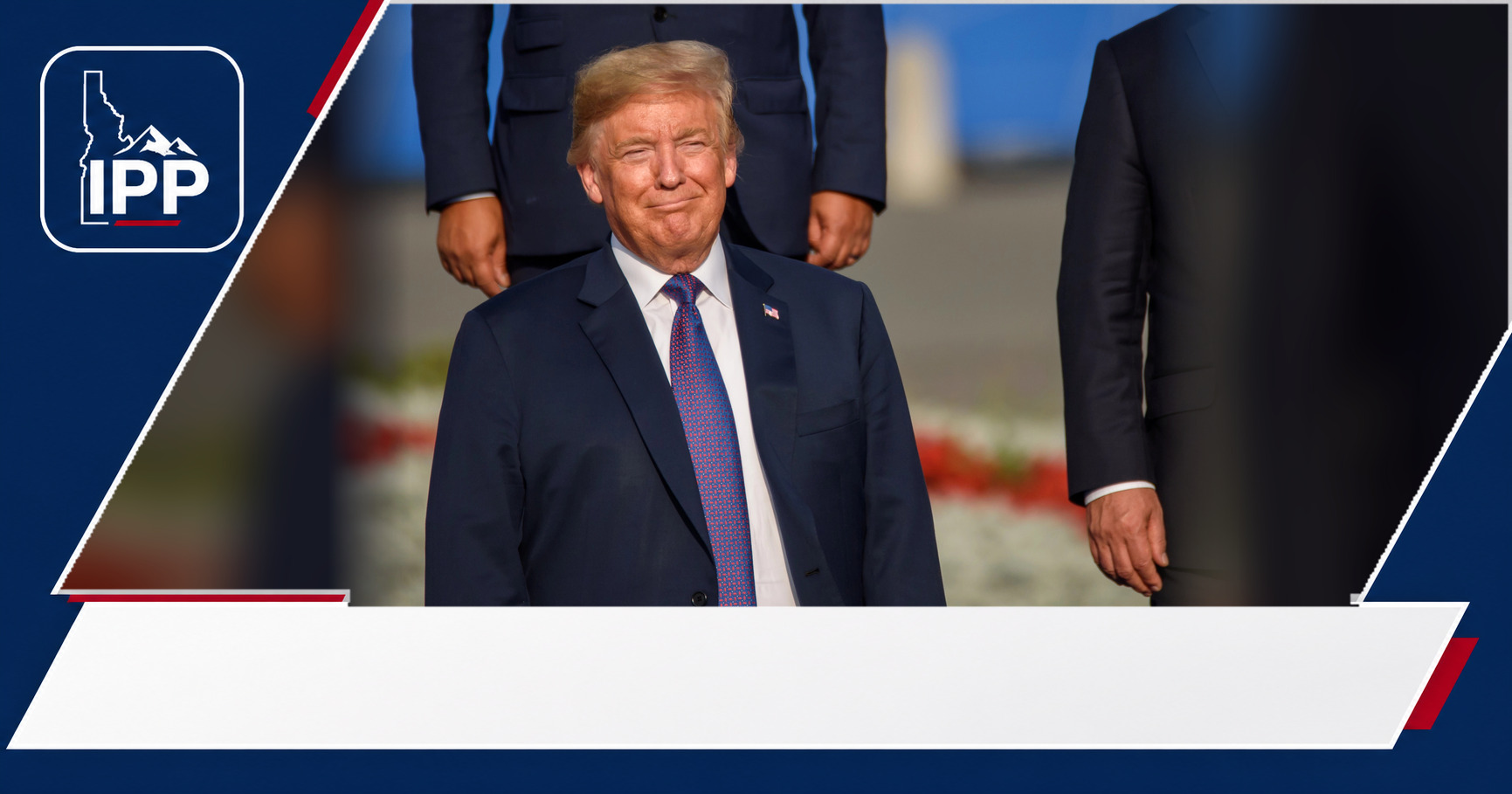
At a rally in Garden City, New York, Trump urged Americans to accept paying “a tiny little bit more” for gasoline while the conflict continues. He argued that the cost was justified by preventing what he described as a “very evil country” from obtaining a nuclear weapon.
That framing puts a clear political choice before voters: Trump is asking the public to weigh higher household fuel bills against his stated national-security objective. Supporters may see the position as an acknowledgment that confronting Iran carries costs. Critics are likely to question whether the strategy has a workable end point and whether its economic burden is being fairly described.
The issue is particularly awkward because Trump campaigned for reelection on lowering energy costs. Democrats are seeking to make the war’s effects, including rising gasoline prices and inflation pressure, part of the November congressional election debate.
Trump and Treasury Secretary Scott Bessent have signaled additional financial pressure on Iran. Bessent said more measures were expected the following week, suggesting the administration’s next moves may focus on economic coercion as well as military posture.
Iran faces an economic cost too
Iran’s defiant rhetoric does not mean it is insulated from the standoff. President Masoud Pezeshkian said high inflation inside Iran was being driven by a U.S. blockade of Iranian ports and sanctions on the country’s oil exports.
That creates a shared but uneven economic pressure point. The United States is grappling with higher gasoline prices and political backlash; Iran faces inflation, constrained exports and pressure on port activity. Neither side has publicly outlined terms that would quickly restore normal traffic through the strait.
Regional risks are also widening. Reuters reported renewed concerns about attacks by Iran-backed Houthi forces in Yemen, including missiles fired toward the Red Sea port of Mocha and a reported drone attack targeting an Aramco facility in Saudi Arabia.
More attacks across the region could extend the supply and shipping concerns beyond Hormuz. For energy markets, the relevant question is not only whether the strait reopens, but whether alternate routes remain secure enough to absorb disrupted cargoes.
The next signal is shipping, not rhetoric
Statements from Tehran and Washington show hardened positions, but tanker movement will offer one of the clearest measures of whether conditions are improving. A sustained return of crude shipments would ease some market anxiety; continued near-zero traffic would reinforce fears of a longer disruption.
Several questions remain unresolved: whether Iran and the United States can restart talks, what conditions Tehran seeks for reopening passage, how aggressively Washington will escalate sanctions or military pressure, and how long consumers may face elevated prices.
For now, the Strait of Hormuz has become the physical choke point connecting the conflict to American wallets. Trump’s appeal for patience may shape the political argument, but fuel prices and ship traffic will determine how visible that cost becomes.







Leave a Reply