
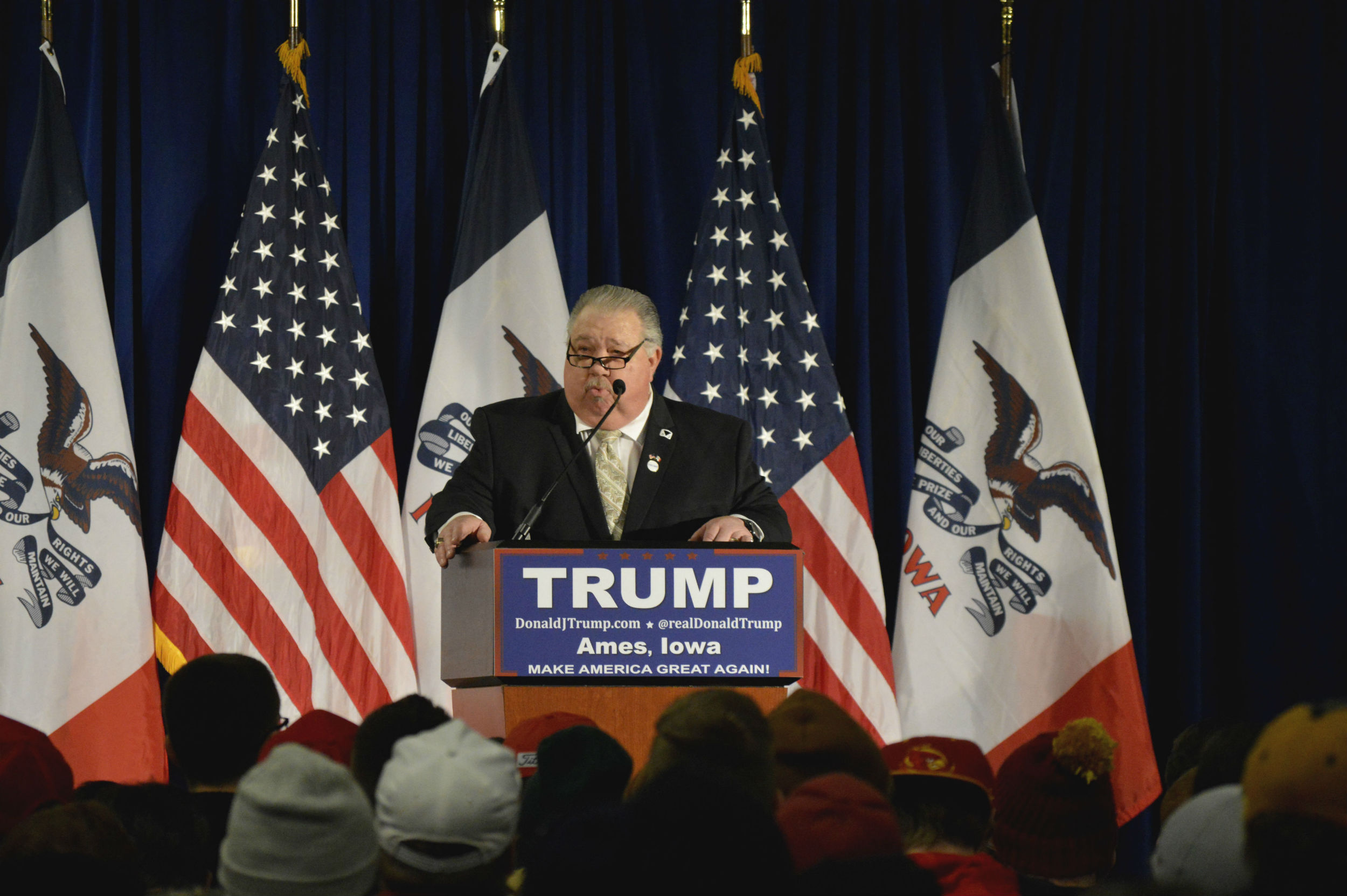
The refund requests may involve a small group of donors, but the message is bigger: frustration with Trump-aligned politics can quickly become a campaign money problem.
Major GOP donors are unhappy with J.D. Vance, and some donors have asked Donald Trump for refunds, according to a report circulating through an MSN-distributed Idaho Public Press item. The article explains the reported backlash against Vance and Trump, identifying the donors’ complaint as a reaction to Trump-related politics and fundraising, including anger routed through a Trump fundraiser.
That matters now because refund requests, even when limited, signal more than buyer’s remorse: they expose how quickly elite Republican donors can turn political discomfort into a money problem. The available extracted research also includes a documented NBC News case from 2016 in which Trump donors sought their money back after a campaign scandal.
Why refund demands sting
Campaigns are built to absorb criticism. They are less comfortable when donors ask to unwind the transaction that made them insiders in the first place.

The phrase attached to the current report — that major GOP donors ‘can’t stomach’ Vance — is politically sharp because it points at a divide inside the Republican coalition. Vance has become one of the most visible figures in Trump-aligned politics, admired by populist conservatives and distrusted by some establishment Republicans.
A refund request is not just a complaint. It is a donor saying the campaign relationship has become reputationally or politically costly enough that money should come back.
That does not mean a campaign is required to honor every demand. But it does mean aides, bundlers and finance chairs have to spend time calming people who were supposed to be validators, not liabilities.
The report’s key claim
The central claim is straightforward: some Republican donors are unhappy with J.D. Vance and have asked Donald Trump for refunds. The item describes the backlash as coming from major GOP donors, with a Trump fundraiser connected to the complaint.
The extracted material available for review does not identify the Vance-related donors by name, list refund amounts or provide the full text of the reported requests. That leaves important questions unanswered, including whether the campaign received formal written demands and whether any money was returned.
Still, the political meaning is clear enough. Donors who ask for refunds are signaling that their support was conditional — and that Vance, or what he represents in Trump’s political orbit, may have crossed a line for them.
For Trump, that is a familiar tension. His strongest appeal has often come from voters who like his fights with party elites. But national campaigns still need donor networks, bundlers and high-dollar events to pay for organizing, advertising and legal operations.
A documented Trump precedent
The strongest verified source in the extracted research is a 2016 NBC News report showing that this kind of donor revolt has happened around Trump before. NBC reported then that two big-money donors who had given or raised tens of thousands of dollars for Trump asked for their money back after the release of the vulgar 2005 ‘Access Hollywood’ recording.
According to NBC News, one donor wrote to a Trump fundraiser that he could not express enough disappointment and requested that his money be refunded. A second donor said he was ‘mortified’ by the tape and wrote that he could not support a ‘sexist man.’
Trump spokesman Jason Miller told NBC at the time that the campaign was ‘unaware of any donors making such a request.’ That denial matters because refund demands often become political theater before they become accounting events.
NBC also reported that a Republican bundler who had raised close to $1 million for Trump said he was done raising money for the nominee. That detail shows why donor frustration can matter even when only a few refund requests become public: the bigger damage may come from the people who stop making calls.
Vance sharpens an old divide
Vance is not just another Republican surrogate. To many Trump supporters, he represents the party’s post-establishment future: more nationalist, more skeptical of corporate power, more combative toward traditional GOP donors and foreign-policy hawks.
That is exactly why some high-dollar Republicans may bristle. The donor class that once shaped Republican politics around tax cuts, deregulation, defense spending and business-friendly messaging has had to share space with a movement that often treats elite donors as part of the problem.
For Vance’s defenders, donor discomfort may be a feature, not a flaw. They can argue that if wealthy Republicans dislike him, it proves he is not captive to the old party structure.
For critics, the same backlash raises a different concern: Trump-aligned politics may be making it harder to keep together a coalition broad enough to fund and win competitive races.
Refunds are pressure tactics
Political donors rarely ask for money back because they expect the request to stay private. The act itself creates pressure. It tells a campaign that more money could dry up, that bundlers could step away and that social networks around the donor may follow.
That pressure is especially useful when donors believe public criticism alone will not move Trump or his allies. A refund demand turns a values complaint into a financial one.
There is also a practical side. Campaign contributions are tracked, reported and sometimes refunded for routine reasons. But a donor demanding a refund over political disgust is different from an administrative refund. It is an attempt to withdraw legitimacy.
That is why even a small number of requests can travel far in political media. The story is not necessarily the dollar amount. The story is the message sent to other donors watching from the sidelines.
What remains unclear
The Vance-focused report leaves several facts unresolved. It is not yet clear how many donors were involved, how much money they gave or raised, whether the requests were formal, or how Trump’s team responded.
It is also unclear whether this is a contained flare-up or evidence of a deeper finance problem. Trump has long survived donor anxiety by relying on small-dollar enthusiasm, media dominance and a base that often rewards defiance of establishment Republicans.
But high-dollar donors still matter. They help finance outside groups, host events, connect campaigns to local business networks and signal confidence to other contributors.





Leave a Reply