

The blocked Senate maneuver leaves Haitian TPS holders facing renewed uncertainty as South Florida officials warn of family separations, labor disruption and deportations to a country in crisis.
Senate Republicans blocked an effort to extend Temporary Protected Status for Haitians on Wednesday, rejecting Democrats’ bid in the U.S. Senate after Miami-Dade leaders had urged Congress to extend Haiti TPS. The move matters immediately for Haitian immigrants in Miami-Dade and across the United States because TPS lets eligible people from crisis-hit countries live and work legally without fear of deportation.
The failed Senate push does not just leave a bill stalled. It sharpens a deadline-driven fight over whether hundreds of thousands of Haitians should remain protected while Haiti faces deep instability, and whether communities such as South Florida can absorb the human and economic shock of losing workers, neighbors and parents.
The Senate move was procedural
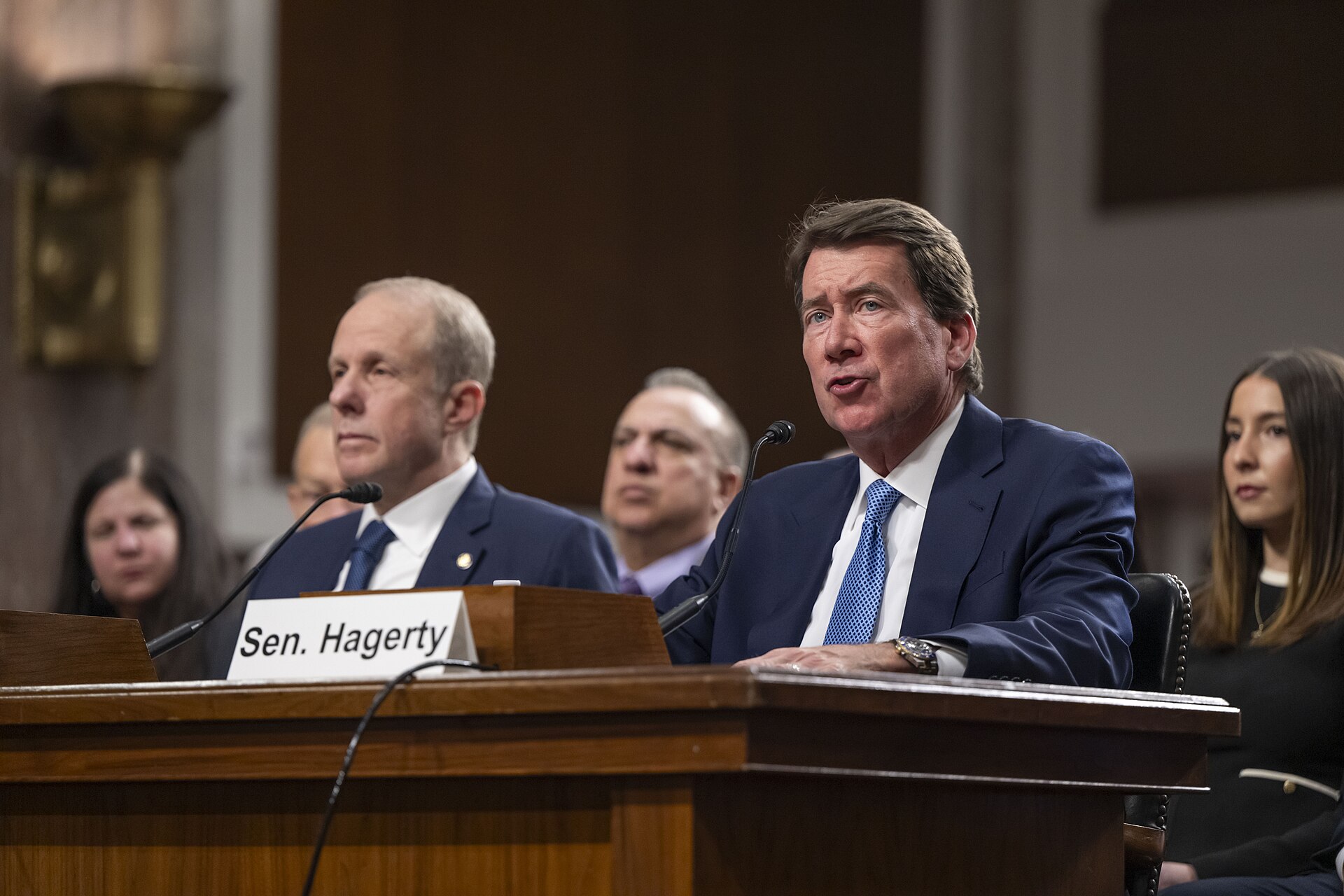
According to the Miami Herald, Democrats tried to use unanimous consent to pass House-approved legislation that would have extended Temporary Protected Status for Haitians. That shortcut can move legislation quickly, but it collapses if even one senator objects.

Massachusetts Sen. Ed Markey and Delaware Sen. Lisa Blunt Rochester, both Democrats, brought the companion effort in the Senate. Missouri Republican Sen. Eric Schmitt blocked it, accusing Democrats of trying to turn a temporary immigration protection into something effectively permanent.
The House had already passed a related measure in April, backed by Democrats and a small number of Republicans. That bill would have extended temporary protections for Haitian immigrants by three years, long enough to carry many TPS holders past the next U.S. presidential election cycle.
Because the Senate did not agree to move the measure, the congressional rescue attempt remains stuck. Supporters can still pursue legislation, but they now face the same math that has defined immigration policy for years: bipartisan sympathy in some corners, hard resistance in others, and little time for people whose legal protection is tied to government action.
Why Miami-Dade pushed so hard
Miami-Dade leaders were not making an abstract plea. South Florida is home to one of the country’s largest Haitian communities, and local officials said the end of TPS would touch households, schools, churches, hospitals, construction sites, hotels and small businesses.
Miami-Dade County Mayor Daniella Levine Cava said ending TPS would put 350,000 Haitians at risk of detention and deportation to a country in turmoil, the Herald reported. Local leaders estimated that about 90,500 Haitians in South Florida have TPS.
Hours before the Senate debate, South Florida elected officials joined union, faith, business and immigration advocates to urge senators to approve the extension. They appealed directly to Florida Republican Sens. Rick Scott and Ashley Moody, as well as Secretary of State Marco Rubio, who previously represented Florida in the Senate.
Paul Christian Namphy, political director of the Family Action Network Movement, said groups had tried to reach senators and had received “radio silence,” according to the Herald. Levine Cava said her office had also tried without success.
Republicans framed TPS as temporary
The Republican objection rests on a long-running argument about TPS itself. The program was created for people who cannot safely return to designated countries because of conditions such as armed conflict, environmental disaster or other extraordinary circumstances. Critics say those protections too often get renewed for years and begin to resemble a backdoor immigration status.
Schmitt’s objection put that view bluntly. He argued that Democrats were trying to make TPS permanent and said the United States should enforce the end of the designation rather than delay it again.
Supporters counter that Haiti’s conditions make return dangerous and unrealistic. The Miami-Dade officials and advocates who pushed for the extension described Haiti not as a routine immigration question, but as a humanitarian and security crisis with direct consequences for U.S. communities.
That tension is why TPS debates are so politically charged. The word “temporary” is central to the program, but the emergencies that trigger TPS are often not temporary in any normal sense. Haiti’s repeated disasters, political breakdown and violence have kept its nationals at the center of that dispute for years.
A local economy feels exposed
Miami-Dade officials also made a dollars-and-labor argument. Levine Cava and other leaders said TPS holders contribute about $5.8 billion annually to the U.S. economy and pay roughly $1.5 billion in taxes.
County Commissioner Marleine Bastien said the issue has been framed too narrowly as an immigration fight when it also affects construction, hospitality, manufacturing, education, transportation, retail and business services. In her view, ending TPS would not save money; it would create costs for employers, families and local governments.
That argument may resonate in South Florida because Haitian workers are deeply embedded in everyday economic life. The Herald reported that airport and hotel food and beverage workers with UNITE HERE Local 355 had already held a press conference at Fort Lauderdale-Hollywood International Airport demanding an extension.
The hardest part for local officials is that the consequences would not arrive neatly. Employers could lose workers. Families could lose income. U.S.-born children could face choices about whether to remain in the only country they know or follow parents to a country those parents may no longer recognize.
Families now face uncertainty
The blocked Senate attempt comes after the Supreme Court last month allowed the Trump administration to move forward with ending TPS protections, according to the Herald. That legal backdrop gives the congressional fight extra urgency because it narrows the paths available to affected families.
Bastien said she had been receiving calls from both TPS holders and businesses asking what to do. The Rev. Reginald Jean-Mary of Notre Dame d’Haiti Catholic Church in Little Haiti described fear and suffering in the community.
For TPS holders, the practical questions can be immediate and personal: whether to renew work documents if possible, whether an employer will keep them, whether they have another immigration pathway, and what happens to mortgages, leases, cars and children if protection ends.
Immigration advocates typically urge affected people to get individualized legal advice rather than rely on rumors or social media posts. TPS rules, deadlines and eligibility can shift through court orders, agency notices and legislation, and a person’s options may depend on family ties, past applications, criminal history or other facts.
The fight is not over
The Senate rejection does not settle the Haiti TPS question. It shows where the resistance is strongest and how difficult it will be to pass a broad extension quickly.
Democrats who backed the measure can keep pressing for another vote, try to attach language to must-pass legislation or continue public pressure on Republican senators from states with large Haitian communities. Local officials in Miami-Dade have signaled that they will keep framing the issue as both humanitarian and economic.
What remains unclear is whether Congress can act before more families lose protection, whether the administration will offer any new relief, and how courts may handle future challenges. For now, the clearest outcome is uncertainty: Senate Republicans have blocked the immediate extension, and Haitian TPS holders are left waiting for the next move from Washington.








Leave a Reply