
The fight turns on a basic question: is required in-car impaired-driving detection a lifesaving safety feature or a federal overreach into every dashboard? The rule is not in effect yet, but Congress is already moving to shape its future.
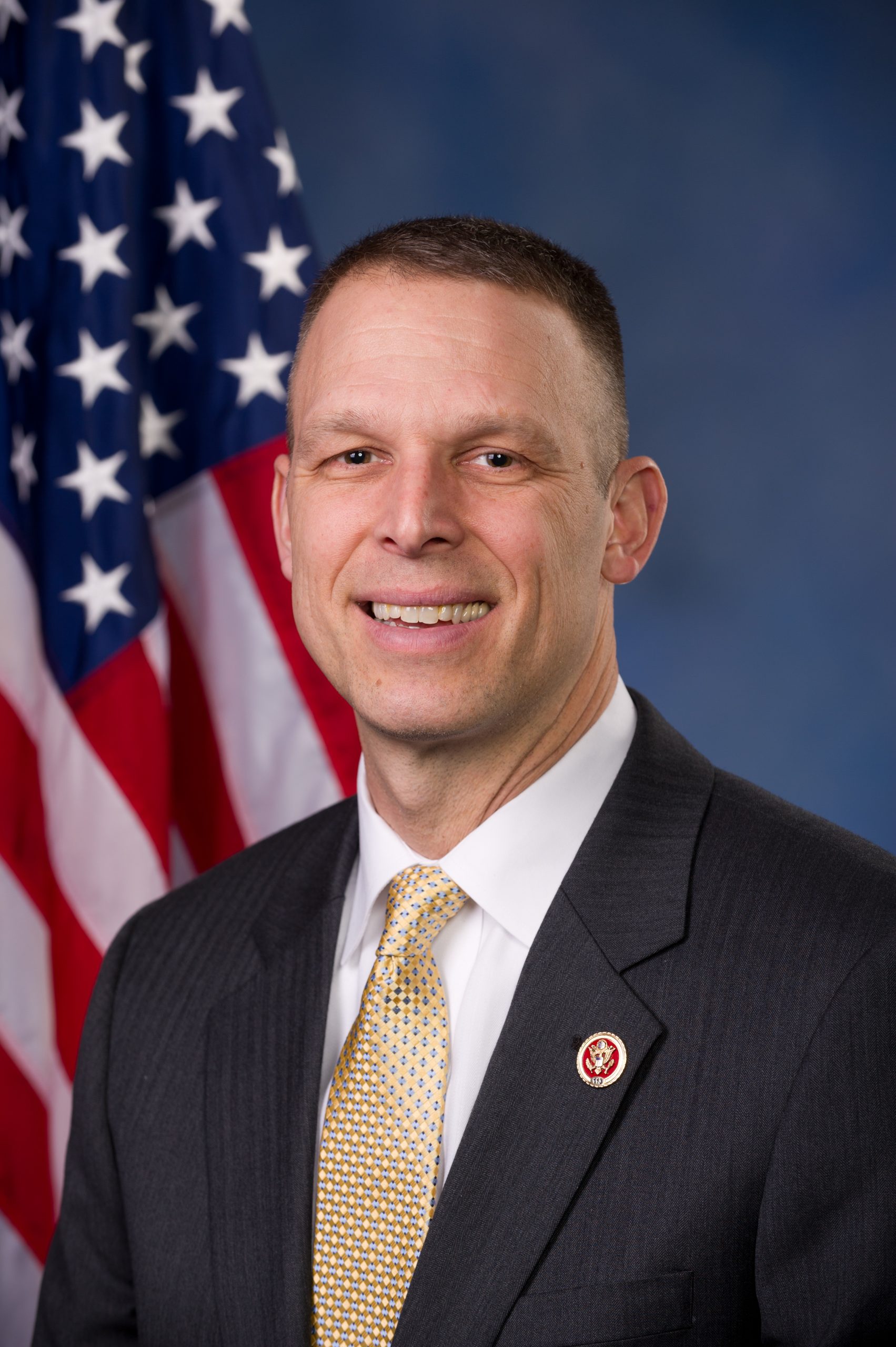
Joe Biden is tied to a federal vehicle mandate for new cars, and Rep. Scott Perry, a Republican lawmaker from Pennsylvania, is seeking to repeal that mandate before the National Highway Traffic Safety Administration turns it into a final rule. Critics call it a “kill switch”; this article explains what the so-called “kill switch” would do, why U.S. Congress created the requirement, and why opponents want it overturned.
The phrase “Joe Biden mandated” — or the sharper claim that “Biden mandated all” new vehicles to include a shutoff device — leaves out a key detail: the requirement came through a law passed by Congress and signed by Biden, and the federal safety standard has not yet been finalized.
Perry’s repeal bill is introduced
Perry’s proposal is H.R. 1137, the No Kill Switches in Cars Act. According to Congress.gov, he introduced it on Feb. 7, 2025, and it was referred to the House Committee on Energy and Commerce.
The bill has not passed the House or Senate. Its purpose is direct: repeal the requirement that NHTSA prescribe a federal motor vehicle safety standard for advanced drunk and impaired driving prevention technology.
That matters because the mandate is not currently a finished rule on dealer lots. The Congressional Research Service summary on Congress.gov says there is “currently” no federal motor vehicle safety standard requiring the technology.
So the political fight is happening in the gap between a congressional instruction and a future federal rule. Perry’s bill tries to close that gap by eliminating the instruction altogether.
What the mandate actually says
The requirement traces back to the Infrastructure Investment and Jobs Act, the bipartisan infrastructure law enacted in 2021 and signed by Biden. It directed federal regulators to develop a safety standard for advanced impaired-driving prevention technology in passenger vehicles, if the technology can meet legal and practical requirements.
Congress.gov describes the technology as a passive system that does one of two things: monitors a driver’s performance to identify impairment, or accurately detects whether a driver’s blood alcohol concentration is at or above 0.08%.
The same summary says the system must prevent or limit vehicle operation if it determines the driver may be intoxicated or impaired. That is the provision opponents have labeled a “kill switch.”
Supporters usually reject that phrase because the law is aimed at impaired driving, not remote political control of cars. Opponents use it because, in practice, a system that can prevent or limit vehicle operation raises obvious questions about who decides, how accurate it is and what happens when it gets it wrong.
The “kill switch” label cuts both ways
The term “kill switch” is politically powerful because it turns a technical safety mandate into a household fear: a car that refuses to move. It also compresses several different technologies into one phrase.
A passive alcohol-detection system is not necessarily the same thing as a remote government shutoff button. Driver-monitoring technology may use sensors, cameras or vehicle-behavior data. Alcohol detection could rely on breath, touch or cabin air systems, depending on what regulators and manufacturers ultimately deem workable.
But the concern is not imaginary. If a federal rule requires cars to prevent or limit operation based on an impairment judgment, drivers will want to know how the system handles medical conditions, fatigue, sensor errors, repair problems, hacked data, emergency situations and edge cases such as a sober parent driving an intoxicated passenger.
That is why the wording of the final NHTSA standard matters more than the slogan. The actual rule would determine what data is collected, how passive the system must be, when a vehicle can be stopped, and what safeguards exist for drivers.
Safety case is brutally simple
The argument for the mandate starts with the human toll of impaired driving. A separate 2025 House bill, the Drunk Driving Prevention and Enforcement Act, states in its findings that more than 12,000 people are killed every year in alcohol-impaired driving crashes, with hundreds of thousands more seriously injured.
That is the moral force behind the technology push. If cars can detect impairment before a driver enters traffic, supporters argue, the system could prevent deaths rather than merely punish drivers afterward.
Modern vehicles already contain safety systems that intervene without asking: automatic emergency braking, lane-keeping assistance, electronic stability control and ignition interlocks in certain court-ordered cases. From that view, passive impaired-driving prevention is another step in a long shift toward cars that protect the public from predictable human error.
The harder question is whether this technology is mature enough to mandate across the fleet. A system that works well in a lab or pilot program may behave differently across millions of vehicles, climates, body types, driving styles and maintenance conditions.
Privacy and control drive opposition
Perry’s bill is rooted in skepticism toward federal control over vehicle technology. The name No Kill Switches in Cars Act is not subtle; it frames the mandate as a threat to driver autonomy rather than a neutral safety standard.
Opponents have several overlapping concerns:
- False positives: A sober driver could be blocked because of sensor error, unusual driving behavior or a malfunction.
- Privacy: Driver-monitoring systems may collect sensitive behavioral or biometric data.
- Cost: Required technology could raise vehicle prices or repair bills.
- Scope creep: A system built for impaired driving could later be expanded for other enforcement uses.
- Emergency access: A driver may need to move a vehicle quickly even under imperfect conditions.
Those objections do not prove the mandate is unworkable. They do explain why the issue has become politically sticky before the final rule exists. Once a technology is embedded in every new vehicle, changing course becomes much harder.
The real fight is still ahead
For now, the most important fact is also the easiest to miss: no current federal motor vehicle safety standard requires new vehicles to carry this technology, according to the Congress.gov summary of Perry’s bill. NHTSA still has to define any final standard, and Congress can still alter or repeal the underlying requirement.
That means two tracks are moving at once. Regulators are studying what impaired-driving prevention technology can safely and legally do. Lawmakers are deciding whether the federal government should require it at all.
The outcome will shape more than a single safety feature. It will help define how much authority Washington has over software-driven cars, how much data future vehicles may collect, and how regulators balance public safety against personal control.
The clean takeaway: the “kill switch” fight is not about a device already installed in every new car. It is about whether a Biden-era congressional mandate should become a nationwide vehicle standard — or be repealed before NHTSA writes the rule that makes it real.



Leave a Reply