
The fight is bigger than one telecast. It tests where broadcast regulation ends and network editorial judgment begins.
FCC Chairman Brendan Carr says ABC’s decision not to broadcast Trump’s speech live will be part of the FCC’s review of its station licenses. The FCC is reviewing ABC’s station licenses, and Carr’s remark matters because it ties a network programming choice to a federal licensing process that is supposed to focus on whether local broadcast stations serve the public interest.
ABC did not simply ignore the speech. Reuters reported that ABC News said it would carry Trump’s election-security address on ABC News Live, its streaming platform, rather than air it live on the broadcast network.
Carr turns programming into a license issue
The flashpoint is not just whether viewers could watch the Trump speech somewhere. It is whether ABC’s choice of platform should become evidence in a government review of station licenses.
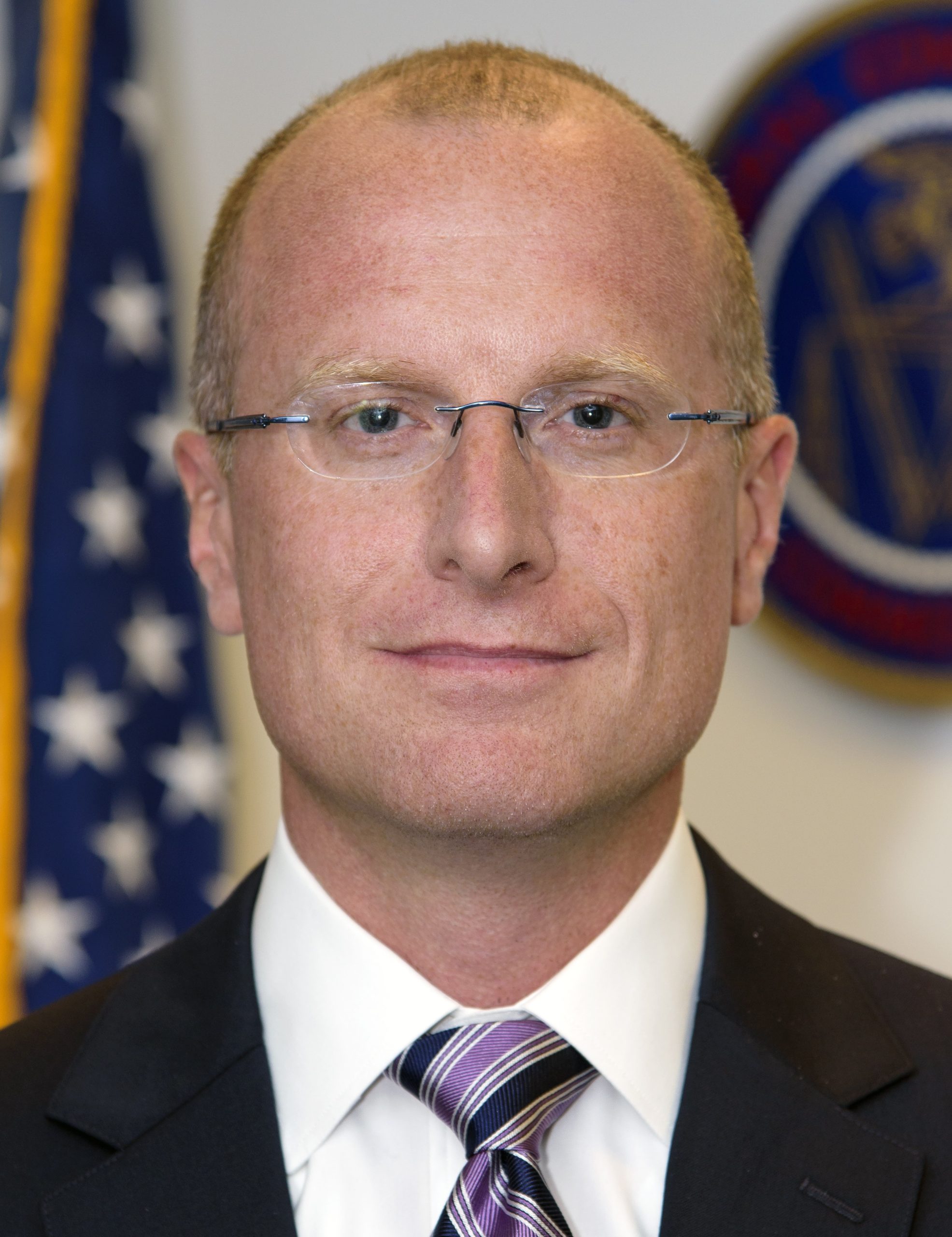
According to the Variety report that pushed the issue into wider view, Carr said ABC’s decision not to air the speech live would be part of the agency’s review. That is a pointed escalation because the FCC holds real power over broadcast stations, even if that power is narrower than political rhetoric often suggests.
Broadcast licenses are valuable public grants. Stations use public airwaves, and the FCC reviews whether licensees have operated in the public interest. But using that review to examine a decision about whether to carry a presidential speech live raises immediate questions about editorial independence.
The practical effect is still uncertain. Carr’s comment does not by itself revoke a license, deny a renewal, or prove wrongdoing by ABC. It does signal that the regulator is looking at the network’s handling of Trump’s address as part of a broader review.
The FCC licenses stations, not ABC
One key detail can get lost in the political noise: the FCC says it licenses individual broadcast stations, not TV networks such as ABC, CBS, NBC or Fox. That distinction matters.
ABC is a network brand and a news organization, but broadcast licenses attach to local stations. Some stations are owned by Disney’s ABC; many ABC affiliates are owned by other companies. A threat aimed at ‘ABC’ can sound sweeping, but the legal machinery runs through station-by-station licensing.
FCC public guidance says the agency does not license the networks themselves. In a separate FCC document released May 29, 2026, the agency noted that broadcast TV station licenses generally authorize stations to operate for eight years.
Another FCC order, DA 26-416, directed Disney’s ABC to file license renewals for all of its licensed TV stations within 30 days, by May 28, 2026. That order is part of the context for why Carr’s comments are drawing scrutiny now: the agency already has ABC-owned station licenses in its sights procedurally.
ABC chose streaming over broadcast
The programming decision at the center of the dispute appears to be less binary than the political framing suggests. Reuters reported that ABC News said it would run Trump’s speech on ABC News Live, the network’s streaming news service.
That means ABC made the address available through one of its platforms, but not through the live broadcast network feed. For critics of ABC, that distinction may not be enough; broadcast television remains more accessible to many households than a streaming channel.
For defenders of ABC’s discretion, the distinction is central. News organizations routinely decide what to air live, what to stream, what to summarize, and what to fact-check before presenting to audiences. A live presidential address can carry news value, but it can also carry risks if claims are disputed or if networks believe context is needed.
The open question is whether the FCC will treat ABC’s platform choice as a public-interest concern or merely as a protected editorial judgment. That line is where this dispute could become more consequential than the speech itself.
Trump had already raised the stakes
The pressure did not begin with Carr’s licensing remark. Reuters described U.S. networks facing a dilemma over whether to air Trump’s election-security speech, and the outlet’s headline noted that Trump had threatened to revoke licenses of networks that did not carry it.
Presidents and political figures have often complained about coverage. What is different here is the proximity between Trump’s public pressure and the FCC chair saying ABC’s decision will be considered in a license review.
Carr is not an obscure regulator in this fight. His official FCC biography says he is the agency’s chairman, previously served as the FCC’s general counsel, and was designated chairman by Trump on January 20, 2025. He was first nominated to the commission by Trump in 2017 and again by President Biden in 2023.
That background does not determine the legality of any FCC action. It does explain why critics will watch closely for signs that broadcast licensing is being used as political leverage, while supporters may argue the agency is entitled to examine whether powerful broadcasters are meeting their obligations.
The public-interest test is broad
The FCC’s public-interest standard gives the agency flexibility, but it is not a blank check. Broadcast stations are expected to serve their local communities, maintain certain public files, follow children’s programming and political broadcasting rules, and comply with technical and ownership requirements.
Content decisions occupy a more sensitive zone. The First Amendment limits government punishment for editorial choices, and the FCC has long operated under rules that avoid direct censorship of news judgment. That is why Carr’s phrasing matters: saying the decision will be ‘part of’ a review is not the same as saying it will be the basis for a penalty.
Still, even making editorial treatment a factor in license scrutiny can create a chilling effect. A broadcaster that believes its license could be questioned over whether it carried a political speech live may become less willing to make independent coverage decisions.
There is another side. Viewers who rely on free over-the-air television may expect major networks to carry high-profile presidential addresses, especially when the topic is election security. The FCC’s challenge, if it pursues the matter, is to separate legitimate public-interest concerns from pressure over political content.
What remains unanswered
Several basic facts are still unclear. Carr’s comment does not specify which ABC-owned stations are under review because of the Trump speech decision, how much weight the issue will carry, or what standard FCC staff would apply.
It is also unclear whether the agency is examining only ABC-owned stations or whether the dispute could influence how regulators think about affiliates. The FCC’s own guidance that it licenses stations rather than networks makes that distinction important.
The most likely near-term outcome is more paperwork, more political argument, and closer scrutiny of the FCC’s process. A license denial or major sanction based primarily on a network’s refusal to air a speech live would almost certainly invite a legal fight.
The larger takeaway is simpler: ABC’s call to put Trump’s speech on streaming rather than live broadcast has become a test case for how far the FCC can go when politics, news judgment and broadcast licensing collide.


Leave a Reply