
Federal officials say the Medicaid money is on hold while states document compliance. California and Minnesota officials argue the move threatens care and looks more political than protective.
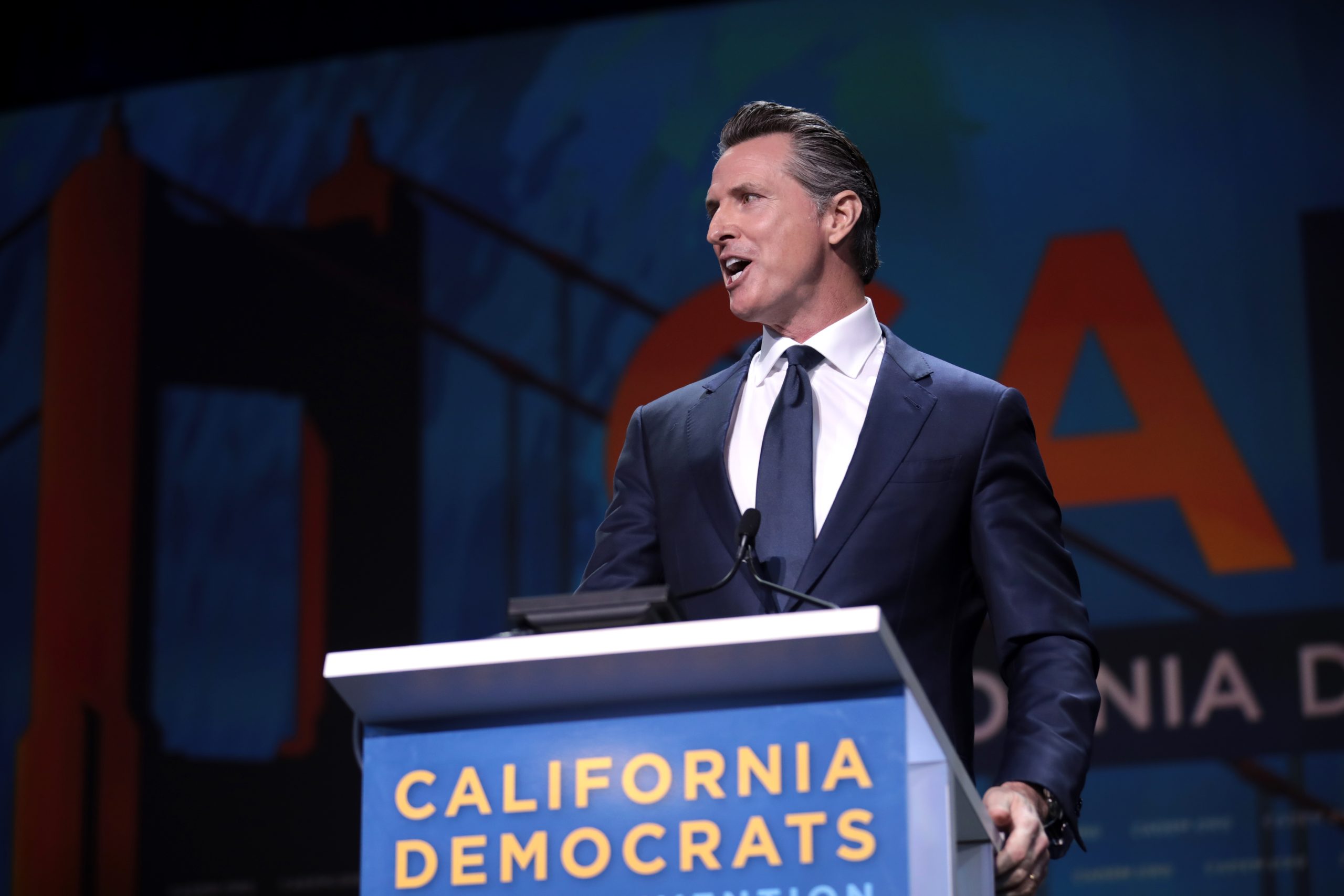
Gavin Newsom criticized Dr. Oz on Tuesday, July 21, 2026, after the Trump administration paused more than $1 billion in Medicaid payments, including over $867 million for California and over $200 million for Minnesota. Federal officials said the payments were halted pending review over suspected fraud and noncompliance.
The clash matters because it puts two large Medicaid programs in the middle of a broader fight over fraud enforcement, state flexibility and care for low-income residents, seniors and people with disabilities. Newsom’s office says California is being targeted for political reasons. Federal health officials say they are protecting taxpayer dollars.
Oz frames pause as fraud control
The Centers for Medicare and Medicaid Services, led by administrator Dr. Mehmet Oz, is deferring payments tied to what federal officials described as high-risk services in California and Minnesota. Health and Human Services Secretary Robert F. Kennedy Jr. announced the pause on X, saying CMS was holding more than $1 billion while it reviews suspected fraud and noncompliance.
Kennedy said the amounts include more than $867 million for California and more than $200 million for Minnesota. In a statement reported by Newsweek, he said Medicaid funding must be backed by documentation showing compliance with federal requirements.
“Medicaid exists to serve vulnerable Americans — not to bankroll unsupported claims,” Kennedy said, according to Newsweek. He added that under President Donald Trump, the administration is seeking accountability across public programs and will not release federal funds when states cannot show that claims meet federal rules.
Oz described the move as a more proactive approach to program integrity. His argument is straightforward: instead of trying to recover misspent money after it goes out, CMS wants to stop questionable payments before they clear.
Newsom calls it political targeting
Newsom’s office answered with a sharply different reading. In a post on X, it called the announcement “the same recycled political stunt we’ve seen before,” and argued that California was not being targeted because Trump had evidence of fraud.
The governor’s office said California’s in-home care strategy is saving taxpayers money by keeping seniors and people with disabilities out of more expensive nursing homes. It also said the state opposes fraud and is willing to work with CMS on legitimate program integrity issues.
That distinction is central to California’s defense. State officials are not saying fraud should be ignored. They are saying the federal government has not publicly shown that the payment deferral is tied to actual improper spending rather than a policy dispute over how California structures care.
A California Department of Health Care Services spokesperson told Newsweek that CMS was “punishing California for growing in-home care” and said that expansion reflects federally encouraged policy, not improper spending. The department also pointed to a 2020 California State Auditor report that it said found no program integrity concerns and recommended higher reimbursement rates to strengthen the in-home care workforce.
Minnesota wants the math
Minnesota officials are making a related but slightly different complaint: they say they have not been given enough information to understand the federal calculation. John Connolly, temporary commissioner of the Minnesota Department of Human Services, told Newsweek the administration had not provided data or an explanation for how the deferral amount was calculated.
Connolly said the federal government should share its methods for identifying potentially fraudulent providers in Minnesota. He framed the issue as one that requires partnership, not punishment, especially when Medicaid services support children, seniors, people with disabilities and low-income adults.
That request goes to the heart of due process in a payment fight. If CMS has identified suspect claims, states need enough detail to respond, correct records or challenge the conclusions. If the evidence is still developing, the administration will face pressure to show why a billion-dollar-plus deferral was justified before the review was complete.
For now, the public record leaves a large gap between the federal allegation and the states’ response. CMS says it has concerns. California and Minnesota say the administration has not made the case in a way they can test.
Why in-home care is sensitive
The California dispute appears tied at least in part to in-home care programs and claims requiring more documentation, rather than the entire Medi-Cal program. That matters because in-home support is one of the most politically sensitive parts of Medicaid: it affects frail seniors, people with disabilities and the workers who help them remain outside institutions.
States have increasingly leaned on home- and community-based services because many patients prefer them and because institutional care can be far more expensive. California’s argument is that program growth is not automatically evidence of abuse. It can also reflect policy choices meant to reduce nursing home reliance.
The federal counterargument is that growth in expensive or difficult-to-monitor service areas can create openings for improper billing. In-home care can involve thousands of individual providers, complex eligibility rules and claims that may be harder to verify than a hospital bill.
Both things can be true. In-home care can save money and support independence, and it can still require close oversight. The political fight is over whether CMS is applying that oversight in a targeted, evidence-based way or using a payment freeze as leverage against Democratic-led states.
Who could feel the pressure
Medicaid is jointly funded by the federal government and states, and it covers more than 70 million Americans. California’s Medi-Cal program serves millions of low-income residents, including children, seniors, people with disabilities and eligible adults. Minnesota’s Medical Assistance program covers many of the same vulnerable groups.
Newsweek reported that HHS said the deferred payments concern certain services and claims requiring additional documentation, not the entirety of the states’ Medicaid programs. That detail lowers the immediate risk of a total program shock, but it does not eliminate uncertainty.
The practical question is whether California and Minnesota can keep paying providers while the federal review runs. States often have more than one funding stream and may be able to front some costs temporarily. But federal reimbursements are a major share of Medicaid financing, and a prolonged delay can create pressure on state budgets and providers.
The first people to feel that pressure may not be beneficiaries directly. It may be home-care agencies, individual caregivers, counties or state administrators waiting for clarity. If payment delays deepen, service access could become a bigger concern.
The next fight is evidence
The administration’s strongest position is that Medicaid is too large and too important to run on trust alone. Taxpayer money should not move without documentation, and fraud in health programs can drain funds meant for people with serious needs.
The states’ strongest position is that a dramatic payment pause also has consequences. If CMS withholds large sums without showing its work, it risks looking less like an anti-fraud operation and more like a political weapon in a long-running fight over Medicaid.
Several facts remain unclear: which specific claims triggered the review, how CMS arrived at the California and Minnesota totals, how long the deferral could last, and whether any beneficiaries or providers will see interruptions. Those details will determine whether this becomes a short compliance dispute or a broader showdown over federal control of Medicaid dollars.
For now, Newsom has turned the pause into a public challenge to Oz and the Trump administration. CMS is betting that voters will support a hard line on suspected waste. California and Minnesota are betting that the public will see the freeze as a threat to care before it sees proof of fraud.





Leave a Reply