
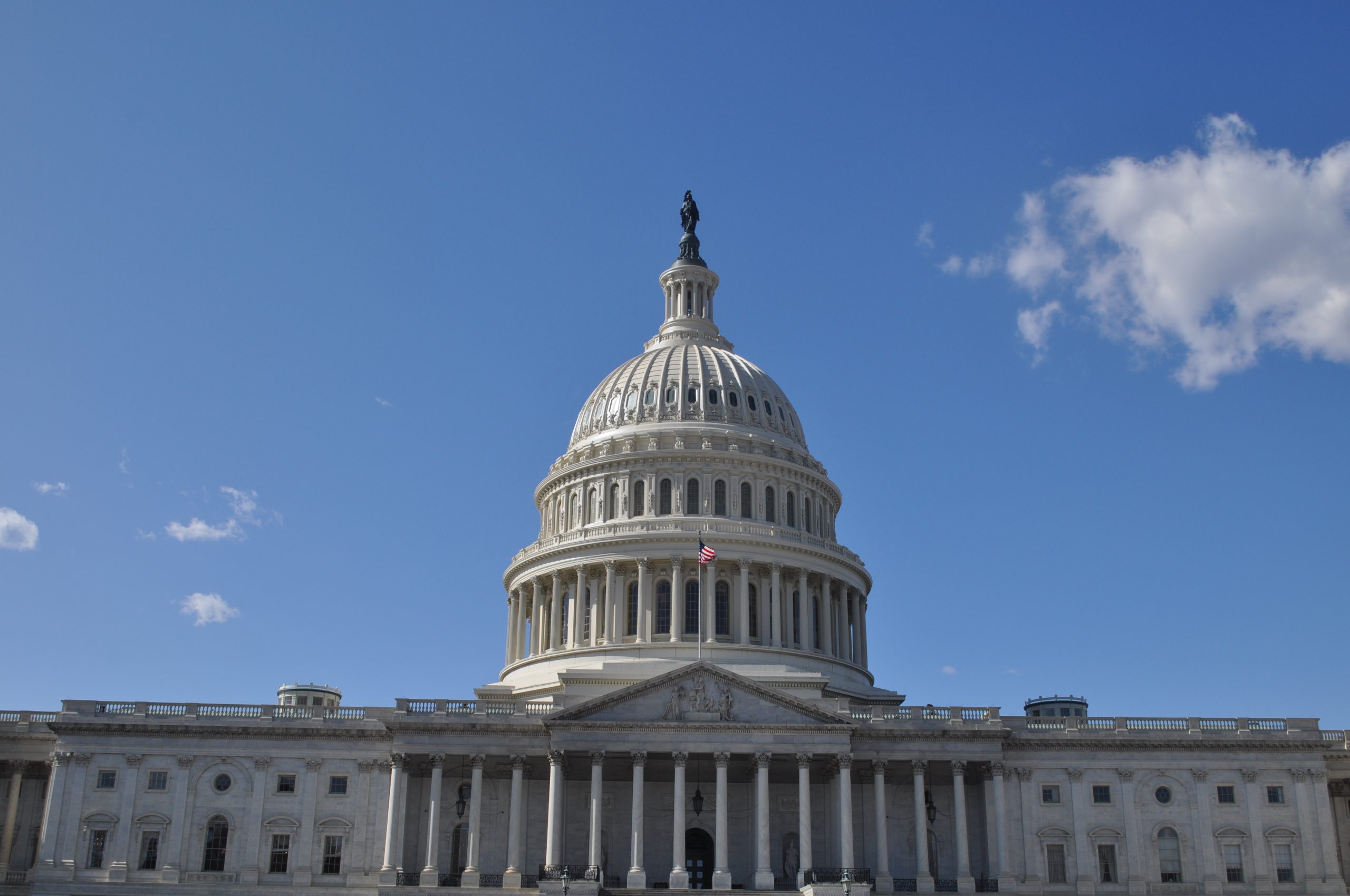
The fight is less about whether Americans dislike changing clocks and more about which time the country should keep. The Sunshine Protection Act still has procedural and political hurdles before anything changes.
Permanent daylight saving time may not actually happen in the United States: the U.S. Senate is reviewing a bill passed by the House, H.R. 139, the Sunshine Protection Act of 2025, but the bill may not have enough support. In the 119th Congress (2025-2026), H.R. 139 was introduced on 01/03/2025; companion S. 29 was introduced on 01/07/2025; and Congress.gov says the House-passed bill reached the Senate on 07/15/2026.
The White House has also described the proposal as a way to eliminate the time, hassle and cost of changing clocks. That does not make it a done deal. The fight now is over whether Congress can agree not just to stop switching clocks, but to keep the country on daylight saving time year-round.
The Senate is the chokepoint
The latest official step is narrow but important. Congress.gov lists H.R. 139 as having passed the House and then being received in the Senate, read twice and referred to the Senate Committee on Commerce, Science, and Transportation on July 15, 2026.

That referral matters because a bill can be popular in public conversation and still sit in committee. The Senate can hold hearings, amend it, advance it, ignore it or fold the idea into a broader package. Until senators act, nothing changes for clocks in homes, phones, cars, schools or workplaces.
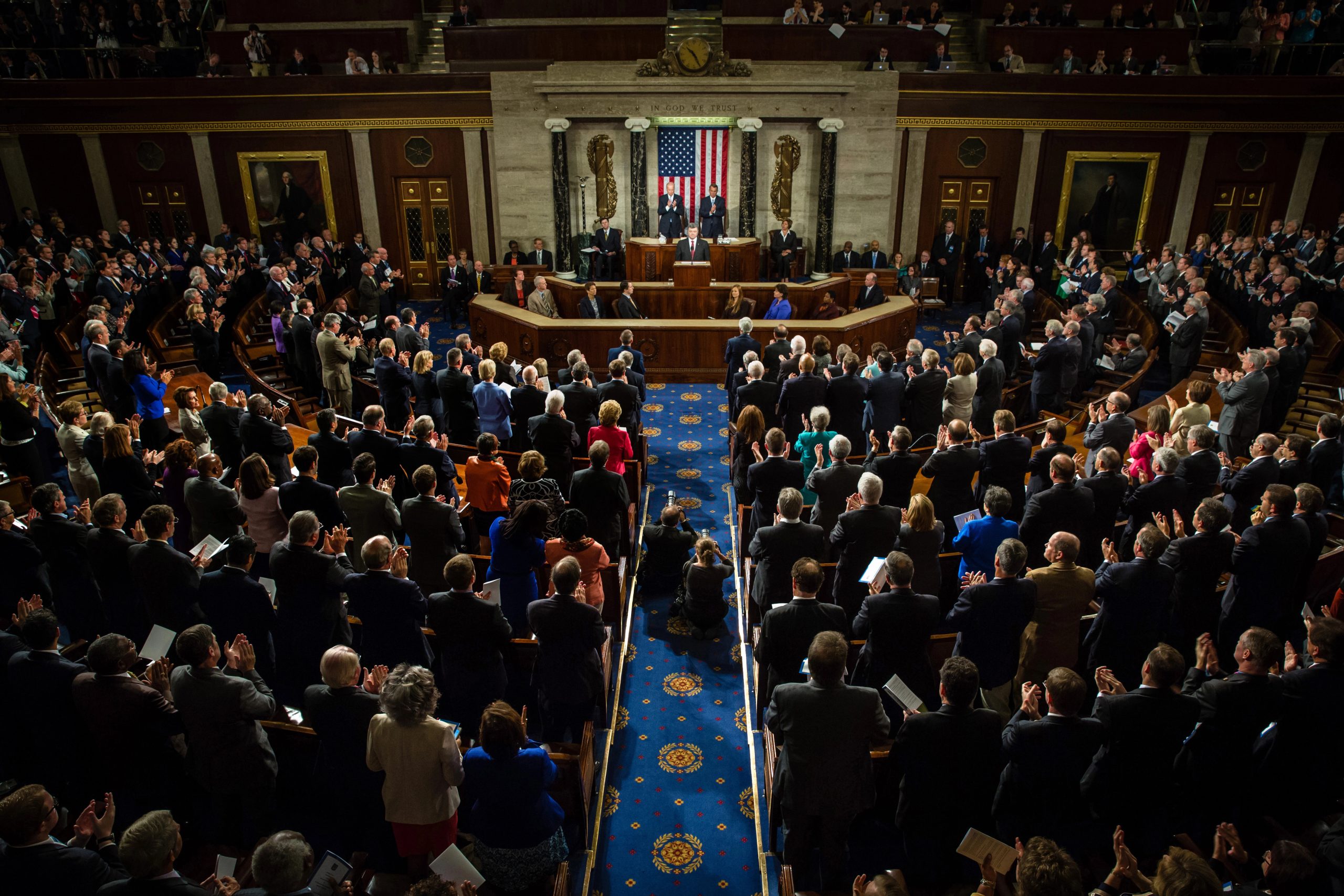
Reuters reported that the Senate is reviewing the House-passed measure but that it is unclear whether the proposal has enough support. That uncertainty is the core of the story: the House vote moved the idea forward, but Senate backing is the test that determines whether permanent daylight saving time is a real policy shift or another near-miss.
What H.R. 139 would do
The bill is simple on paper. Congress.gov’s summary says H.R. 139, the Sunshine Protection Act of 2025, would make daylight saving time the new permanent standard time.
That means the country would stop the twice-a-year clock switch and stay on the later-sunset schedule associated with spring and summer. Supporters often frame the change as a common-sense fix for a ritual many Americans dislike: losing an hour in March, gaining one in November and spending days adjusting sleep, schedules and commutes.
The White House document on H.R. 139 describes the legislation as eliminating the time, hassle and cost involved in changing clocks. That argument is practical and easy to understand. The complication is that “no more clock changes” is not the same as “permanent daylight saving time.” Congress has to choose which side of the clock to preserve.
The bill also leaves room for states with areas already exempt from daylight saving time to choose standard time for those areas, according to the Congress.gov summary. That detail signals that a national fix still has to fit around existing exceptions.
Why support is not automatic
Permanent daylight saving time has an obvious political advantage: almost everyone has complained about clock changes at some point. But the coalition can split once the question becomes permanent daylight saving time versus permanent standard time.
Supporters of permanent daylight saving time tend to emphasize later sunsets. That can mean more evening light for shopping, outdoor activities, youth sports and commutes home. It is an appealing promise in places where winter darkness arrives before many people leave work.
Critics focus on the other end of the day. Keeping daylight saving time through winter can mean darker mornings, especially in northern states and western edges of time zones. That affects school drop-offs, morning commutes and people who begin work before sunrise.
Sleep researchers and medical groups have often been more skeptical of permanent daylight saving time than the public debate suggests, arguing that standard time better aligns with human circadian rhythms. That does not decide the policy question by itself, but it gives senators a reason to slow down rather than treat the bill as a harmless convenience measure.
A familiar idea with baggage
The Sunshine Protection Act is not new as a political concept. Versions of the proposal have circulated for years, often drawing bipartisan attention because it does not fit neatly into the usual party lines.
That familiarity cuts both ways. Lawmakers know voters dislike switching clocks, but they also know earlier attempts to change national time rules have produced backlash. The practical effects show up unevenly across the country. A later winter sunset in one region can come with a very dark school morning somewhere else.
That is why the bill’s path through the Senate is more revealing than the slogan attached to it. “Make daylight saving time permanent” sounds decisive. Senate procedure turns it into a sequence of questions: Who supports it? Who objects? Will leadership spend floor time on it? Would senators demand changes? Could disagreement over health or regional effects stall it?
The House-passed status gives the proposal momentum, but it also raises expectations. If the Senate does not move, supporters will likely point to Congress as the obstacle. If the Senate changes the bill, the House may have to deal with it again.
The House bill and Senate bill
There are two relevant bill numbers in play. H.R. 139 is the House measure sponsored by Rep. Vern Buchanan of Florida, according to Congress.gov. It was introduced on January 3, 2025, and has one recorded roll call vote listed on the bill page.
S. 29 is the Senate companion measure, the Sunshine Protection Act of 2025, sponsored by Sen. Rick Scott of Florida and introduced on January 7, 2025. Congress.gov lists it in the Senate Commerce, Science, and Transportation Committee.
The existence of a Senate version does not guarantee Senate passage. Companion bills can show interest, create a legislative vehicle and help sponsors build support. They do not force committee leaders or Senate leadership to schedule action.
For regular Americans, the difference between the two bills is less important than the institutional reality: both chambers have to agree on final text, and the measure would then have to go to the president. Congress.gov’s tracker for H.R. 139 shows the familiar ladder: introduced, passed House, passed Senate, to president, became law. As of the latest listed action, it has not climbed past the Senate step.
What remains unclear
The biggest unknown is whether Senate support is broad enough to overcome hesitation from members worried about darker mornings, regional impacts or the precedent of rewriting national time rules. A bill can have bipartisan sponsors and still lack the votes or floor time needed to pass.
It is also unclear whether senators would accept the House-passed bill as written. Amendments could narrow the measure, delay its effective date, address state flexibility or shift the debate toward permanent standard time instead. Any major change would complicate the path to final passage.
There is a simpler takeaway for anyone wondering whether to prepare for permanent daylight saving time: not yet. Phones will not stop changing automatically because the House passed a bill. Businesses, schools and transit systems will not change schedules unless Congress completes the process and federal law changes.
For now, the Sunshine Protection Act is alive but uncertain. The House has made its move. The Senate is where the promise of permanent daylight saving time either becomes a national law or joins the long list of clock-change fixes that sounded easier than they turned out to be.










Leave a Reply