
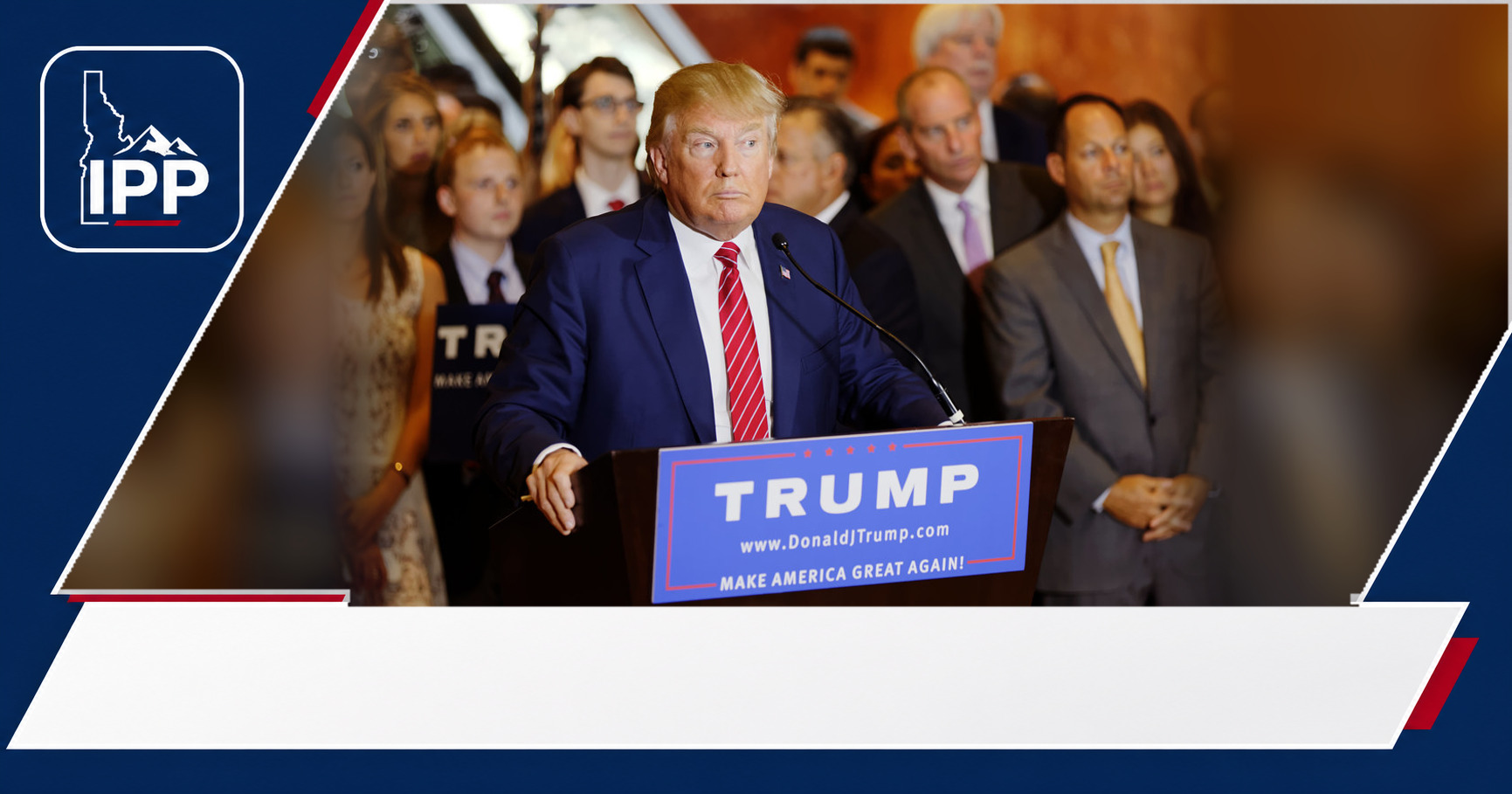
The viral reaction is not just about one awkward exchange. It lands in a longer fight over whether Trump’s blunt style is candor, insult politics, or something more troubling.
Donald Trump was criticized after asking a woman an incredibly uncomfortable question, according to a The Blast item republished on MSN. People called him a total creep over the exchange that triggered the backlash, a reaction that matters now because it arrives amid renewed scrutiny of how Trump speaks to and about women in public.
The extracted MSN reference does not provide the exact question, identify the woman, or include a full transcript. That limits what can be stated as fact, but the criticism itself fits a larger documented pattern: Trump’s personal comments about women have repeatedly become part of the political story around him.
What is actually verified
The clearest verified point is the public framing of the controversy: Trump was blasted after asking a woman a question described as incredibly uncomfortable, and critics used the phrase total creep to describe him. The item was published by The Blast and surfaced through MSN’s news feed.
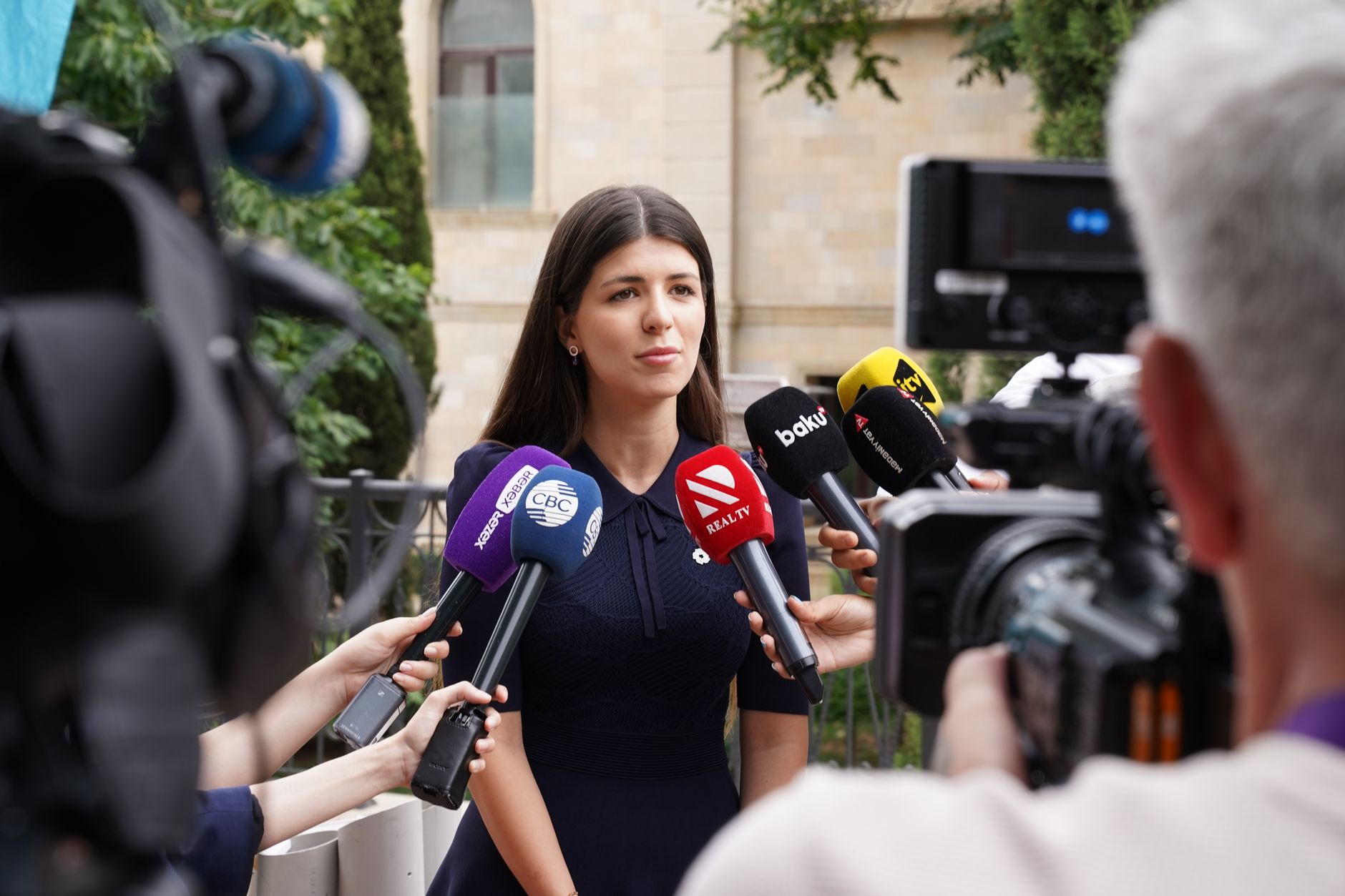
What is not verified from the extracted material is just as important. The available record does not show the woman’s name, the setting, the precise wording of the question, or whether Trump or his representatives responded to this specific criticism.
That means the responsible version of the story is narrower than the viral reaction. It is not possible, from the provided extraction alone, to reconstruct the scene minute by minute. It is possible to explain why a reported uncomfortable exchange involving Trump immediately became a broader argument about his conduct.
Why the backlash spread
The language used against Trump — total creep — is not standard partisan criticism. It is a personal judgment about boundaries. That is why the story moved quickly: critics were not just disagreeing with a policy position or a campaign message; they were reacting to the perceived tone of an interaction with a woman.
Political backlash often accelerates when a short phrase appears to capture a larger concern. In this case, the phrase incredibly uncomfortable question gave readers a quick frame before many had access to fuller context. That can make outrage travel faster than documentation.
There is a risk in that speed. Viral political stories can flatten the facts, especially when the underlying clip or transcript is not immediately available. Still, the reaction also shows how little room Trump has with critics on this subject, because many view new incidents through years of earlier controversies.
A familiar Trump flashpoint
Trump’s comments about women have long been scrutinized beyond ordinary political sparring. Reuters has previously documented that more than a dozen women accused Trump of inappropriate conduct before he entered office. Trump has denied allegations of misconduct, but the accusations remain part of the public record around his treatment of women.
More recently, NBC News reported on Trump insulting female reporters in personal terms. The outlet reported that he called New York Times reporter Katie Rogers ugly in a Truth Social post after she co-authored a story about signs of Trump aging in office.
NBC also reported that Trump told ABC News reporter Mary Bruce she was a terrible reporter and a terrible person after questions involving the Jeffrey Epstein files and Saudi Crown Prince Mohammed bin Salman. In another exchange reported by NBC, Trump responded to Bloomberg reporter Catherine Lucey with the phrase quiet, piggy.
Those examples matter because they help explain why another reported uncomfortable exchange with a woman did not land as an isolated awkward moment for Trump’s critics. It landed as part of a recurring argument about power, gender, and public humiliation.
Supporters see bluntness, not bias
Trump’s defenders typically reject the idea that these episodes reveal a gendered pattern. In NBC’s reporting, White House spokesperson Abigail Jackson said the president’s comments were not about gender and argued they reflected low public trust in the media.
White House press secretary Karoline Leavitt also defended Trump’s confrontational style in NBC’s account, saying he is frank, open and honest, and that voters support him because of that directness. That is the core pro-Trump interpretation: he is not crossing lines, he is refusing to perform politeness for people he believes are unfair.
That defense has political force with his base. Trump’s brand has always included the idea that he says what other politicians will not. For supporters, complaints about his tone can sound like establishment outrage or selective policing of language.
For critics, the same style reads differently when the target is a woman and the comment is personal. They argue that bluntness does not explain why so many of these clashes become about appearance, attitude, or perceived deference rather than the substance of a question.
The missing context matters
The biggest unanswered question is simple: what exactly did Trump ask? Without the wording, readers cannot fully judge whether the backlash was proportionate, whether the exchange has been clipped without context, or whether the criticism accurately reflects the moment.
The identity of the woman also matters. A question asked of a reporter, supporter, political opponent, private citizen, or public figure can carry different implications. The setting matters too: a rally, interview, courtroom hallway, fundraiser, or social event would shape how the interaction is understood.
That missing context does not erase the backlash, but it does limit the claims that can be made. The reliable takeaway is that the reported question triggered a strong reaction because it matched a subject on which Trump is already heavily scrutinized.
For mobile readers scrolling past a charged headline, that distinction is useful. The controversy is real as a public reaction. The full facts of the exchange still require the underlying video, transcript, or direct account.
Why it keeps becoming news
Stories like this endure because they sit at the intersection of character and power. Trump is not only a political figure; he is a former president and dominant force in Republican politics. How he treats people in public becomes part of how voters and opponents assess his fitness, temperament, and instincts.
The fight also reflects a wider divide over political speech. One side sees social norms around respect as basic accountability, especially when powerful men address women. The other side sees many of those objections as performative outrage used to weaken a politician they already oppose.
That divide means even a brief exchange can become a proxy battle. Critics hear creepiness and intimidation. Supporters hear candor and combativeness. Undecided observers may want the thing still missing from the trend: the exact words.
Until that fuller record is available, the most honest reading is this: Trump was criticized for a reported uncomfortable question to a woman, people called him a total creep, and the backlash spread because it touched one of the longest-running controversies around his public persona.








Leave a Reply