
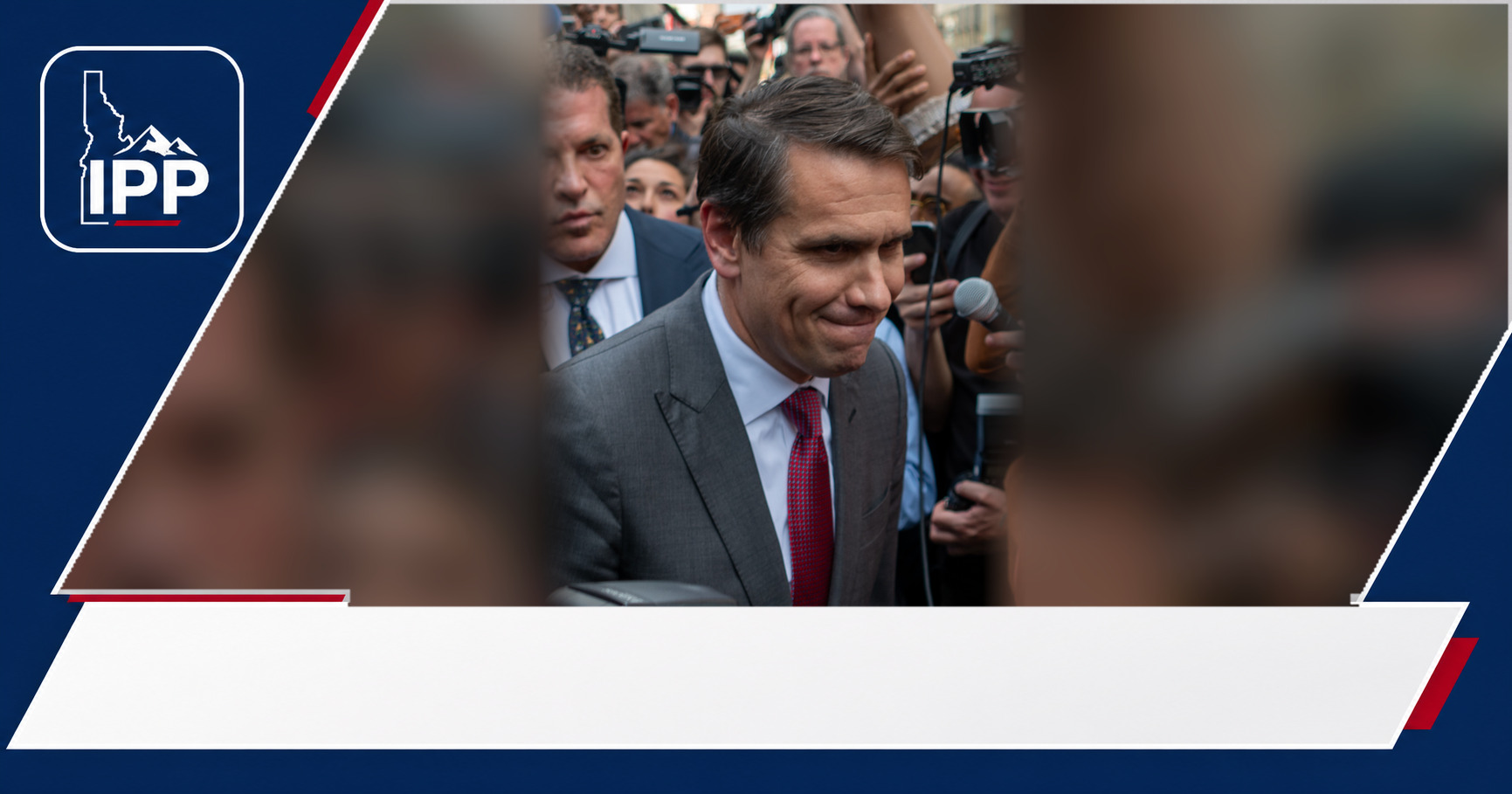
The ruling puts unusual pressure on a familiar government tactic: arguing that a disputed policy is moot without formally erasing it. That matters because courts are being asked to decide whether DOJ’s word is enough.
A Republican-appointed judge warned Todd Blanche, and the Justice Department suffered another court loss, in litigation over the Trump administration’s $1.776 billion anti-weaponization fund. On Wednesday, June 10, 2026, U.S. District Judge Richard Leon denied a request to block the fund after DOJ said Blanche had already declared it dead, but he cautioned the department not to “play possum” with the court.
The viral shorthand that a “GOP judge uncorks” a warning gets one thing right: Leon’s message went to DOJ’s credibility. The immediate fight is whether the government can avoid an injunction by saying the fund will not move forward while leaving formal paperwork in place.
The warning behind the setback
Leon’s ruling did not give the challengers everything they wanted. According to CBS News, the judge declined to issue a temporary restraining order sought by Citizens for Responsibility and Ethics in Washington, the watchdog group that sued over the fund and called it “brazenly illegal.”

But the government’s win was narrow and conditional. Leon accepted, for the moment, DOJ’s representation that Acting Attorney General Todd Blanche had said the fund was dead. Then he delivered the line that now hangs over the case: “Don’t play possum with this court.”
That warning matters because it tells DOJ that the court is not simply taking a victory lap for the government. If the department later tries to revive the fund, or if its position turns out to be more tactical than final, the judge has already signaled that patience may run out quickly.
Leon also said he would address separately the group’s request for a preliminary injunction, meaning the litigation was not fully over. The government avoided an immediate block in that hearing, but it did not secure a broad judicial blessing for the fund.
Why Blanche’s words matter
The Justice Department’s argument rests heavily on Blanche’s public assurance that DOJ is “not moving forward with the fund.” That statement, made during congressional testimony, became the basis for the government’s claim that lawsuits challenging the fund should be dismissed or denied because there is no live dispute.
In legal terms, DOJ argued that the case was moot, that the challengers lacked standing and that the dispute was not ripe for review. The practical version is simpler: if the government is not actually going to use the fund, there is nothing for a court to stop.
CREW’s lawyer, Nikhel Sus, pushed back by focusing on paperwork and power. CBS reported that Sus argued the fund’s charter remained “in full force and effect” and that any modifications had to be made in writing by all parties. Blanche’s testimony, in that view, was not the same thing as formally rescinding the policy.
That is why Blanche is central. His words are doing legal work for DOJ. The question is whether a court should treat those words as binding enough to end or pause challenges to a controversial government program.
A fund built for political fights
The anti-weaponization fund was controversial from the start because of what it was designed to do and how it emerged. CBS described it as a $1.776 billion fund tasked with paying claims to alleged victims of government persecution.
The fund was unveiled after President Trump’s lawsuit against the IRS over the leak of his tax returns. Critics, including Democrats, cast it as a potential “slush fund” for Trump allies. The pushback was not only partisan theater; CBS reported that the plan drew bipartisan pressure before Blanche said DOJ would not move forward.
The structure also raised basic accountability questions. Who would sit on the board? What standards would decide claims? Who would receive money? DOJ attorney Andrew Block told the court that no five-person board had been appointed, no processes had been adopted, no claims had been submitted and no money had been sent out.
Those facts helped DOJ in the short term. They also underline why watchdog groups remain skeptical: a fund can be inactive today and still legally available tomorrow unless it is formally dismantled.
The credibility problem for DOJ
Leon’s “play possum” warning landed in a broader atmosphere of judicial skepticism toward the Justice Department’s conduct in politically charged cases. It was not an isolated rhetorical flourish.
House Judiciary Committee Democrats, in a July 14 letter to Blanche, accused DOJ lawyers and the Trump administration of defying court orders and misleading judges “in case after case.” That letter is a partisan document from the committee’s Democratic side, not a court ruling, but it shows how DOJ’s courtroom credibility has become part of the political fight.
There is also formal judicial context outside this fund dispute. In Lnu v. Blanche, a June 3 Ninth Circuit order said the court was issuing a disciplinary order “as a warning to the members of this Court’s bar.” That case was separate from the anti-weaponization fund, but it contributes to the same larger issue: federal judges expect government lawyers to be precise, candid and accountable.
For DOJ, that is the danger in relying on a verbal assurance. Courts can accept government representations, but they also remember them. If a department asks judges to stand down because a policy is supposedly dead, the department risks serious blowback if that policy later reappears.
What remains unresolved
The unresolved question is not whether Leon believed Blanche on June 10. For the purposes of the temporary restraining order, he largely did. The harder question is what happens if the fund’s documents remain alive while DOJ continues to say the program is inactive.
CREW’s argument points to a classic problem in government litigation. Officials can change course, soften a policy or say they have no immediate plan to act. Courts then have to decide whether the change is durable enough to make a lawsuit unnecessary.
DOJ’s best argument is that courts should not intervene in a program that has no board, no procedures, no claims and no payments. The challengers’ best argument is that the government should not be able to dodge review by promising in court that it will not use a policy it has not formally revoked.
Leon’s warning keeps both realities in view. He declined to block the fund at that moment, but he also told DOJ not to pretend the issue is dead if the government is keeping it available. That is why the ruling matters for Blanche: his assurance may have bought DOJ time, but it also made him responsible for what happens next.






Leave a Reply