
The allegation lands as Infantino faces fresh scrutiny over FIFA governance and support for another term. For smaller federations, the dispute raises a blunt question: where does assistance end and political pressure begin?
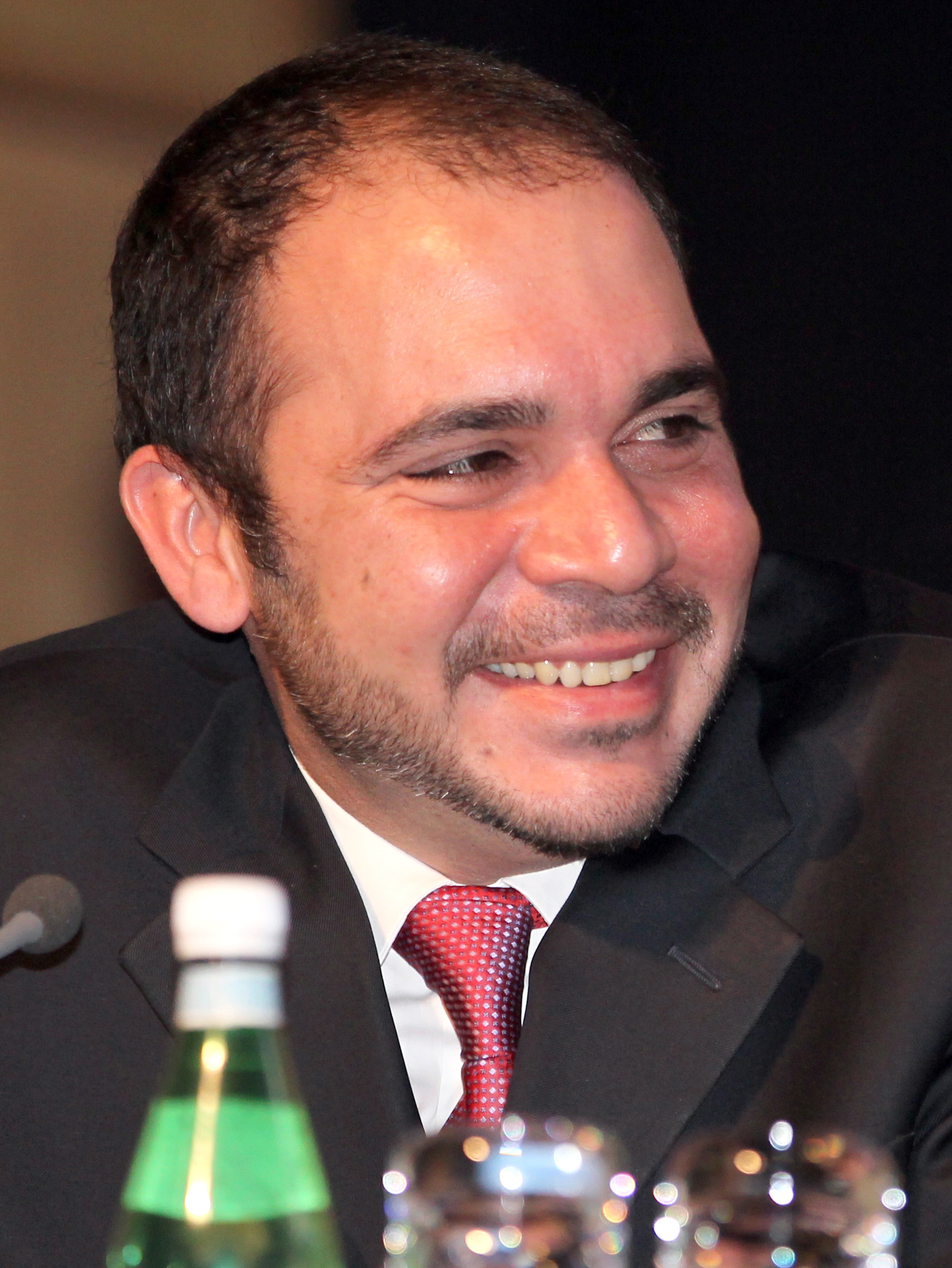
Prince Ali bin Al Hussein accused FIFA and Gianni Infantino of blackmail on Tuesday, August 4, 2026, saying the allegation is tied to support for Infantino’s re-election. The Jordan Football Association president launched a public attack on X, alleging pressure after the Jordan FA sought help from FIFA.
Prince Ali said Jordan needed assistance with fan visas, U.S. tax issues and unpaid prize money, but was told an endorsement of Infantino would help the association. FIFA has not publicly answered the allegation.
The allegation at the center
The dispute is not about one match, one referee or one tournament decision. It is about whether FIFA support for a member association was, as Prince Ali alleges, effectively made conditional on political backing for its president.

In his post, Prince Ali wrote that Jordan had raised several issues with FIFA this year. According to The Athletic’s account of the post, he said it was later verbally communicated to him during the World Cup that endorsing Infantino would “go a long way” toward helping the Jordan FA.
Prince Ali called the situation “blackmail” and said Jordan would not give in. Reuters also reported Tuesday that the Jordan FA chief had publicly accused Infantino and FIFA over an endorsement dispute.
The claim is explosive because FIFA is built on a one-member, one-vote political structure. Even smaller national associations can matter in a presidential race, especially when confidence in the incumbent is under strain.
Three requests Jordan says stalled
Prince Ali’s accusation centers on three practical problems that, from Jordan’s view, required FIFA’s help after a breakthrough period for the national team.
- Fan visas: Jordan qualified for its first World Cup this summer, and Prince Ali said fans faced difficulty securing visas even after buying tickets at high prices.
- U.S. taxes: He said Jordan’s players and staff faced American tax liabilities after their stay in the United States, costs the association had not budgeted for and would not have faced had the team been based in Canada or Mexico.
- Arab Cup prize money: Prince Ali said Jordan was still owed prize money from December’s FIFA Arab Cup in Qatar, where Jordan reached the final before losing 3-2 to Morocco.
None of those issues is unusual in isolation. Visas, tournament logistics, tax exposure and prize payments are exactly the kinds of operational matters national federations expect the sport’s governing body to help untangle.
That is why the alleged linkage to an endorsement is the core of the story. If Prince Ali’s account is accurate, a service relationship between FIFA and one of its member associations became entangled with the electoral interests of FIFA’s president.
Why Prince Ali’s voice matters
Prince Ali is not an obscure federation official throwing a casual complaint into the public square. He is a former FIFA presidential candidate, a former FIFA vice president and a long-running figure in Asian and Middle Eastern football politics.
He challenged Sepp Blatter in 2015 and later ran in the 2016 election that Infantino won. He also served as a FIFA vice president from 2011 to 2016 and is the founder and president of the West Asian Football Federation, whose membership gives him a regional platform beyond Jordan.
His family background adds another layer of visibility. Prince Ali is the son of Jordan’s former king and the half-brother of the country’s current ruler, which means his words carry political as well as sporting weight.
That does not prove his allegation. It does mean FIFA cannot easily dismiss it as noise from the margins. The accusation comes from someone who understands FIFA elections, federation diplomacy and the pressure points inside global football.
Infantino’s wider pressure point
The timing is especially uncomfortable for Infantino. The Athletic reported that he has already been facing criticism over a proposal known as FIFA Forward Enterprise, a plan involving a subsidiary tied to FIFA competition commercial rights and a potential sale of a minority stake to private investors.
According to that report, the project drew opposition from major confederation figures, with UEFA saying it had lost confidence in Infantino’s leadership. The Asian Football Confederation and Concacaf were described as seeking answers over how the plan was developed and why FIFA needed outside investment while holding large reserves.
Infantino withdrew the project in a public statement on Saturday, according to the same account. Several officials were reported to have said they were unaware of key details, adding to the sense that the FIFA president’s authority is being tested from multiple directions.
That wider context matters because presidential support inside FIFA is rarely just symbolic. Public endorsements signal momentum, isolate opponents and can discourage rival blocs from forming. A refusal from Prince Ali, paired with an allegation of pressure, cuts against that choreography.
What FIFA has not answered
The most important unanswered question is straightforward: did anyone acting for FIFA or Infantino connect Jordan’s requests for help to a political endorsement?
Prince Ali says the message was communicated verbally during the World Cup. That wording leaves room for a dispute over who said what, whether they had authority, and how direct the alleged pressure was. Without documents, recordings or a detailed FIFA response, the public record is still incomplete.
FIFA had not responded to The Athletic’s request for comment, according to its report. Infantino also had not publicly addressed Prince Ali’s specific accusation at the time of the report.
For FIFA, silence may limit immediate escalation, but it does not resolve the governance problem. Member associations will want to know whether assistance is handled through transparent rules or through political loyalty tests.
A dispute bigger than Jordan
Jordan’s case is unusually visible because Prince Ali made it public, but the underlying concern is familiar across international sport. Governing bodies control money, access, technical support, tournament logistics and development programs. National associations depend on those systems.
That imbalance can create legitimate tension even without misconduct. FIFA leaders often need political support to govern, and member associations often lobby FIFA for help. The line between relationship-building and improper pressure can become thin.
Prince Ali’s allegation pushes that tension into the open. If FIFA rejects the claim, it will likely need more than a denial to reassure critics. If it does not respond, the accusation may become part of a larger argument about Infantino’s leadership style and the internal checks on FIFA power.
The immediate stakes are Jordan’s unresolved requests and Infantino’s re-election climate. The larger stakes are whether FIFA’s member associations believe the global body serves them equally, or whether help is easier to obtain when political support comes first.


Leave a Reply