

The fight is not just over harsh language. It is over whether an official channel of the U.S. government should be used to pressure judges currently handling federal cases.
A senior Trump official used a government account to smear sitting federal judges, according to a HuffPost report carried by MSN on July 29, 2026. The article identifies the official and the judges targeted; however, the extracted source material available for this TrendWire review does not include those names or the exact posts. That gap matters because a government account is not just a personal megaphone — it carries the authority, staffing and public trust of the U.S. government.
The central issue is not whether Trump administration officials may criticize court rulings. They can. The sharper question is what changes when an official channel is used to target federal judges who may be deciding cases involving the administration.
Why the account matters
Political figures attack judges all the time, especially after high-profile rulings. Those attacks can be crude, selective or misleading, but they usually fall into the rough-and-tumble world of political speech.
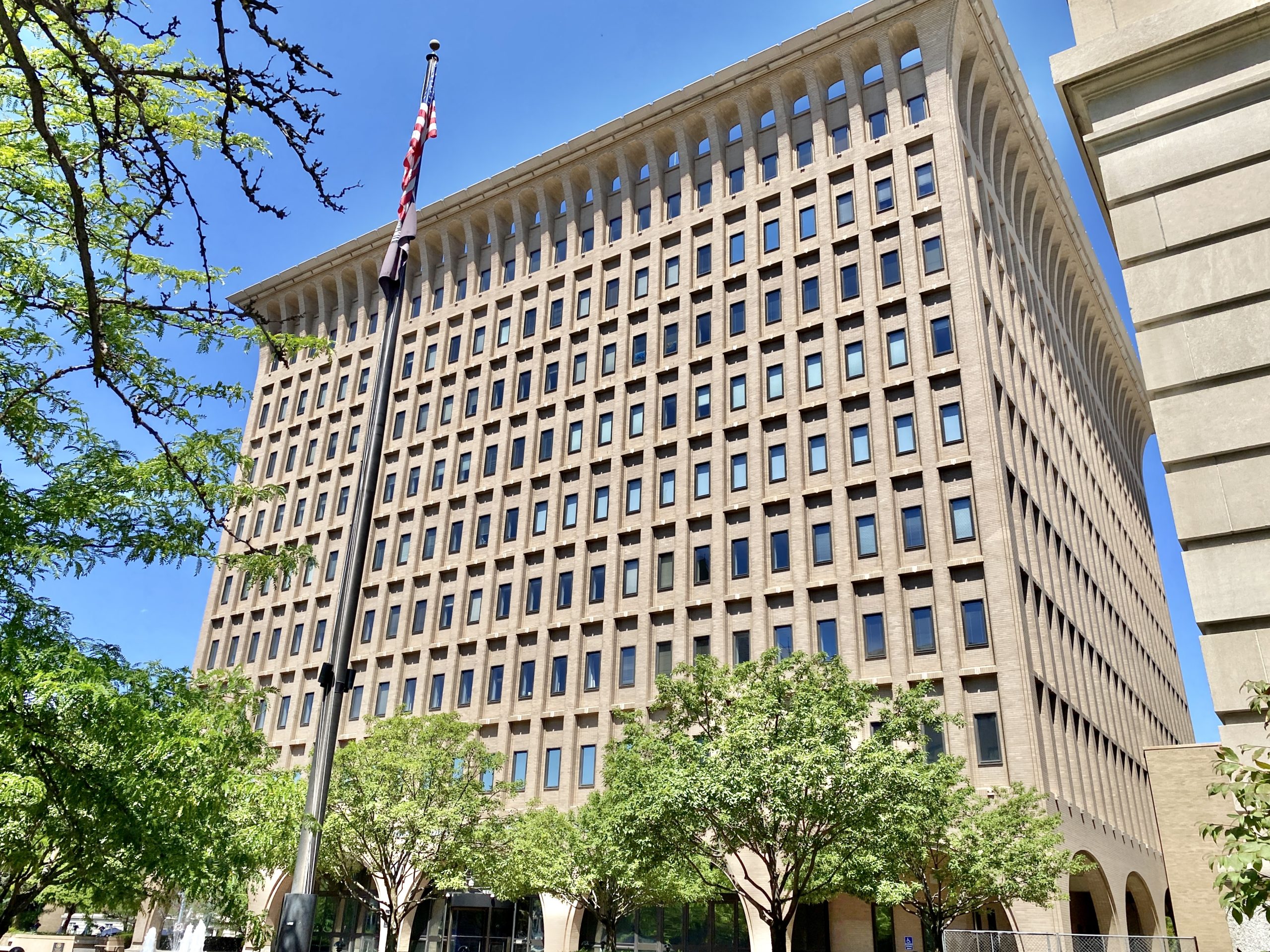
An official government account is different. It can appear to speak for an agency, an office or the administration itself. It may be maintained by taxpayer-funded staff, promoted through government infrastructure and received by the public as an institutional statement rather than a private opinion.
That distinction is why the allegation in the HuffPost report is significant even without the full post text in the extracted record. If an official account was used to disparage sitting judges, the controversy is about more than tone. It is about whether public power was used to pressure a separate branch of government.
What is verified so far
The trend signal comes from a HuffPost story republished through MSN with the headline that a senior Trump official was using a government account to smear sitting federal judges. The available extraction confirms the allegation as the subject of that report, but it does not provide the official’s name, the account handle, the individual judges or screenshots of the posts.
That limitation matters in a high-risk political and legal story. Without the underlying posts, there is no basis here to assess the precise wording, whether the messages came from a personal account labeled with an official role, or from an agency account clearly controlled by the government.
What can be said safely is narrower: the reported conduct concerns a senior Trump official, a government account and public attacks on sitting federal judges. The unanswered specifics should be treated as important facts, not footnotes.
The rules around official channels
Federal watchdog and court materials show why account status is not a technicality. The U.S. Office of Special Counsel has examined political activity by senior Trump administration officials and treated the use of official government resources as meaningful when assessing official conduct.
Supreme Court and Justice Department filings in litigation over public officials’ social media accounts have also treated the question of whether an account is governmental as legally important. An account’s status can affect public access, official speech and constitutional obligations.
Those sources do not decide this particular controversy. They do show the broader principle: when a public official speaks through an official channel, the message may carry legal and institutional consequences that a campaign account or private feed would not.
Judges are a distinct target
Federal judges are not ordinary political opponents. The U.S. Courts system describes different types of federal judges, including Article III judges, bankruptcy judges, magistrate judges and Court of Federal Claims judges, each with specific authority inside the federal system.
Article III judges, in particular, are designed to be insulated from direct political retaliation. Life tenure and salary protections exist so judges can decide cases according to law, not according to the preferences of a president, Congress, a party or an online crowd.
That does not make judges immune from criticism. Rulings can be challenged on appeal. Judges can be criticized by scholars, lawmakers, journalists and citizens. The concern rises when criticism from an official government platform appears designed to delegitimize or intimidate judges rather than engage their legal reasoning.
The argument from the other side
Supporters of aggressive public messaging often argue that judges exercise enormous power and should not be shielded from public scrutiny. When courts block executive policies, they say, the administration has a right to explain who issued the ruling and why it believes the judge got it wrong.
That argument has weight. Courts shape immigration policy, criminal justice, election rules, agency power and civil rights. Public officials do not have to stay silent when judges make consequential decisions.
But there is a line between criticizing a ruling and smearing a judge. The word matters. A legal critique points to statutes, precedent, jurisdiction or constitutional reasoning. A smear attacks legitimacy, motives or identity in a way that can turn a judge into a political enemy.
That line becomes especially sensitive when the speaker is not a pundit or campaign operative, but a senior official using the machinery of government.
What remains unresolved
The most important missing facts are concrete. Which official posted or approved the messages? Which government account was used? Which federal judges were targeted? Were the judges presiding over active cases involving the Trump administration? Did the account belong to an agency, a White House office or an individual official acting in an official capacity?
Those details determine the seriousness of the episode. A reckless personal post is one thing. A coordinated government communications effort aimed at sitting judges would raise far broader concerns about separation of powers and public trust.
The public also needs to know whether any internal rules were implicated. Government agencies often have communications policies, ethics rules and restrictions on political activity. Whether any of those apply depends on the account, the official’s role and the content of the posts.
The takeaway for readers
The dispute is not just another online fight between the Trump administration and the courts. It sits at the intersection of executive power, judicial independence and the blurred line between personal political messaging and official government speech.
If the underlying report is substantiated with names, posts and account records, the use of a government account to target federal judges would deserve scrutiny beyond partisan reactions. If key details remain unverified, they should not be filled in by assumption.
The clean takeaway is this: criticism of judges is allowed, but official government channels carry extra weight. When those channels are used against sitting judges, the question becomes not only what was said, but whether the government itself was used to say it.






Leave a Reply