

The Pennsylvania Democrat now argues the rule protects the minority party from sweeping majority power. His reversal lands at the center of a Senate debate Democrats have been having for years.
John Fetterman reversed his position on the Senate filibuster: the Pennsylvania Democrat now backs keeping it, even though he had campaigned in 2022 to eliminate it. This article explains why he changed his mind, what he says the Democratic Party got “horribly wrong,” and why his reversal matters in the Senate now that a rule Democrats once saw as an obstacle is being cast as a shield against one-party rule.
Put simply: Sen. John Fetterman backs the filibuster after running against it. That shift has reopened a familiar Washington argument over whether the Senate should protect minority-party power or let elected majorities move faster.
Fetterman’s new filibuster argument
Fetterman laid out the reversal in a July 28 Washington Post column, saying his earlier push to eliminate the filibuster was driven by the desire for short-term Democratic wins. He wrote that he and other Democrats were “horribly wrong” to treat the rule as merely a roadblock.
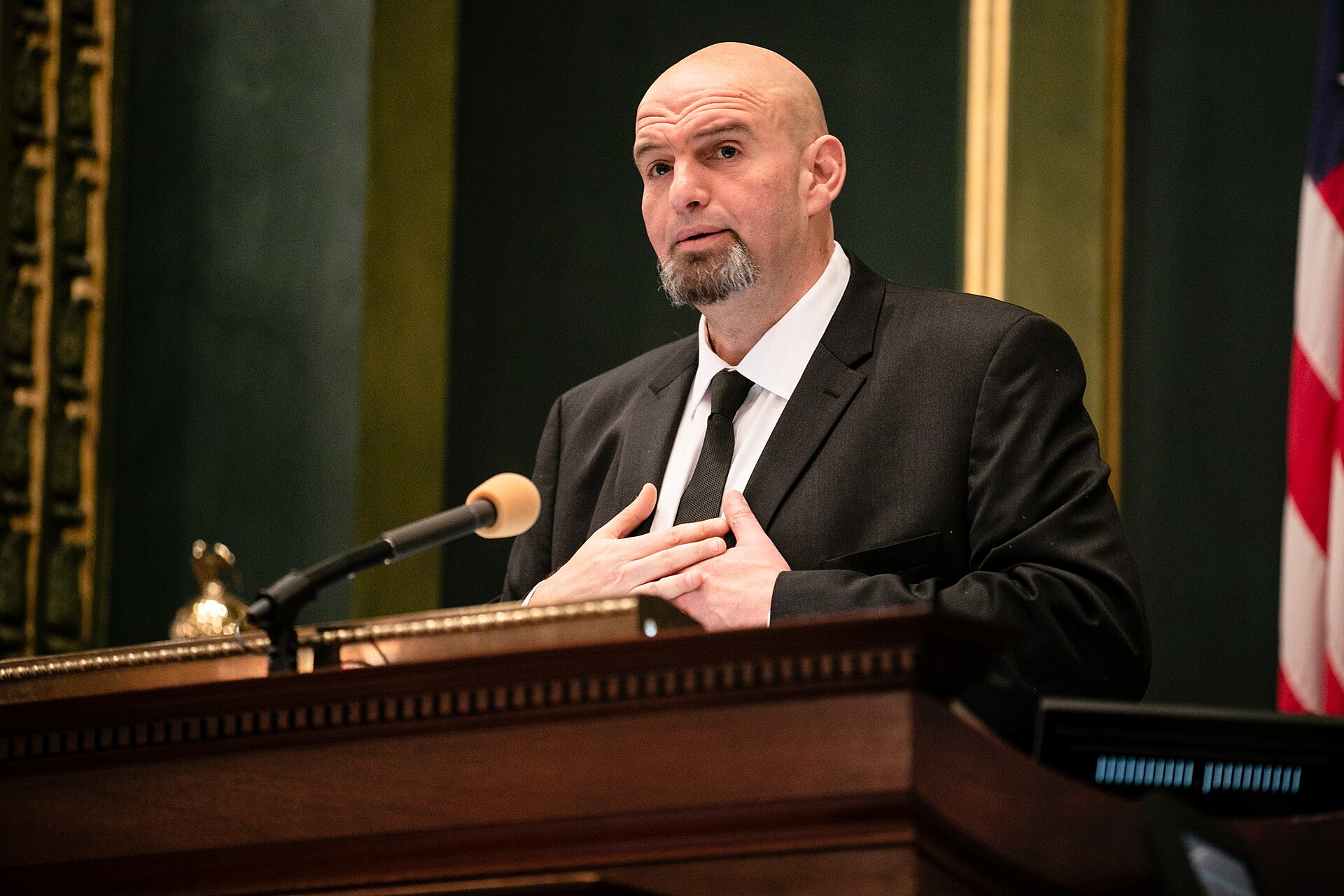
His current view is that the filibuster protects the minority party’s voice, no matter which party is in the minority. Fetterman argues that without it, the Senate risks becoming a smaller version of the House, where a narrow majority can move legislation with fewer procedural restraints.
The turn is especially striking because Fetterman was not a passive supporter of filibuster reform in 2022. He campaigned on ending it and presented the rule as a barrier to action on issues Democrats said were urgent, including voting rights and democracy reforms.
Why the rule looks different now
The filibuster allows senators to delay or block many bills unless supporters can assemble 60 votes to advance them. In practice, that means most major legislation needs at least some bipartisan support, even when one party controls the chamber.
For years, many Democrats argued that the rule gave Republicans veto power over popular legislation. That argument grew louder during Joe Biden’s presidency, when Democrats controlled Washington but lacked the votes to bypass Republican opposition on major priorities.
Fetterman now frames that same barrier as protection. In his column, he pointed to President Donald Trump’s return to power and Republican control of Congress as evidence that simple-majority rule could allow rapid shifts in law, deregulation and federal procedures.
His point is not subtle: a tool that frustrates your agenda when you are in power can become a defense when you are not.
The 2022 pledge he left behind
During his 2022 Senate campaign in Pennsylvania, Fetterman’s message on the filibuster was clear. His campaign website described abolishing the rule as necessary because it stood in the way of getting things done for Pennsylvanians.
At the time, Democrats were divided over whether to change Senate rules. Sens. Kyrsten Sinema of Arizona and Joe Manchin of West Virginia, then aligned with Democrats, joined Republicans in preserving the filibuster and drew fierce criticism from many progressives.
Fetterman was among those who opposed their stance. Now he says history has vindicated them, describing their support for the filibuster as politically damaging but courageous.
That is the kind of reversal that annoys allies and invites accusations of opportunism. But it also captures the central contradiction in the filibuster debate: both parties tend to dislike the rule when it blocks them and defend it when it protects them.
Democrats face an old dilemma
Fetterman’s shift lands inside a Democratic Party still split between procedural idealism and governing urgency. Progressives have long argued that the filibuster enables minority rule, especially when senators representing a smaller share of the population can block legislation backed by a national majority.
Supporters of that view say the rule has repeatedly made the Senate less responsive on voting rights, gun legislation, labor protections and other issues. To them, keeping the filibuster rewards obstruction and makes campaign promises harder to fulfill.
Fetterman is now making the counterargument: restraint matters because power changes hands. He says Democrats should abandon their “worst impulses” and work with Republicans if they regain control, adding that the filibuster would force that kind of negotiation if they do not choose it voluntarily.
That line will not satisfy Democrats who see bipartisan compromise as unlikely or one-sided. But it gives voice to a different fear: that destroying the rule for one party’s priorities could hand the next majority a far bigger weapon.
Why Fetterman’s role matters
Fetterman is not just any Democrat revisiting an old campaign promise. He won a high-profile Pennsylvania Senate race in 2022 and has repeatedly broken with expected partisan positioning since arriving in Washington.
His reversal gives filibuster defenders a Democratic validator at a moment when the party’s future strategy is unsettled. If Democrats retake the Senate, they would again face pressure from activists and some lawmakers to weaken or eliminate the rule for major legislation.
Fetterman’s argument also carries political risk. Voters who backed him because he promised to remove procedural barriers may see the shift as a retreat. Others may view it as a pragmatic admission that Senate rules should not be rewritten based only on who benefits this year.
The political significance is broader than one senator’s change of heart. It shows how the filibuster debate has moved from an argument about efficiency to an argument about democratic guardrails, minority rights and fear of what the other side might do with unchecked power.
What remains unsettled
Fetterman has explained why he changed his position, but the practical consequences are still uncertain. A single senator’s view matters most when Senate margins are tight and rule changes are on the table.
It is also unclear whether Fetterman’s stance signals a larger Democratic cooling on filibuster abolition or simply reflects his own political evolution. The party’s position may depend less on theory than on the next Senate map, the next presidential agenda and the next blocked priority.
For now, the takeaway is straightforward: Fetterman once saw the filibuster as a problem Democrats needed to eliminate. He now sees it as a necessary limit on whoever controls the Senate.
That reversal may frustrate some of his 2022 supporters, but it puts him at the center of the Senate’s most persistent procedural fight: whether democracy works better when majorities can act quickly, or when the minority can still say no.









Leave a Reply