
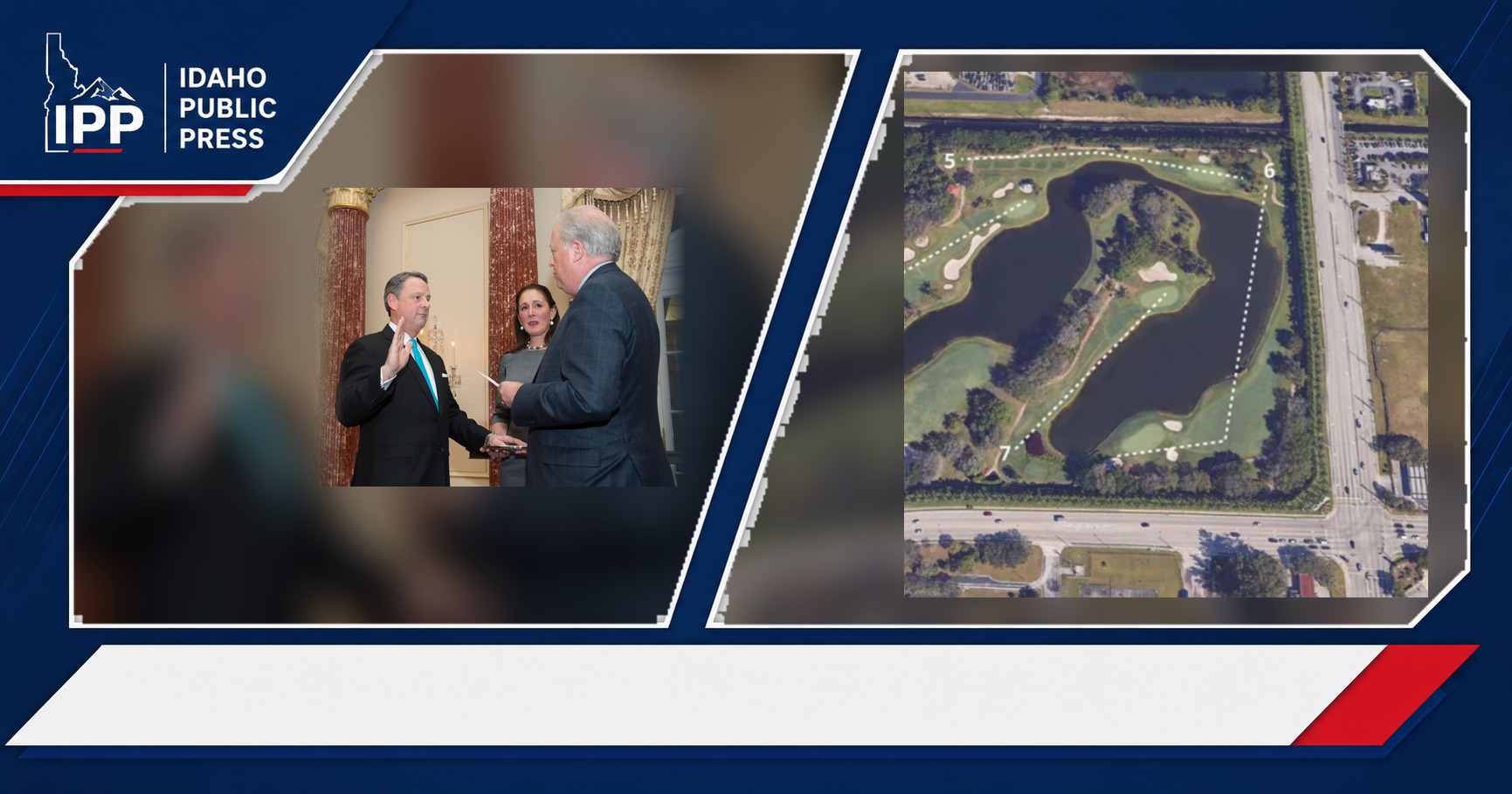
Feeley’s account is more than an awkward exchange about Panama and a Trump hotel. It offers a former diplomat’s case for why consultation, expertise and the chain of command matter in U.S. foreign policy.
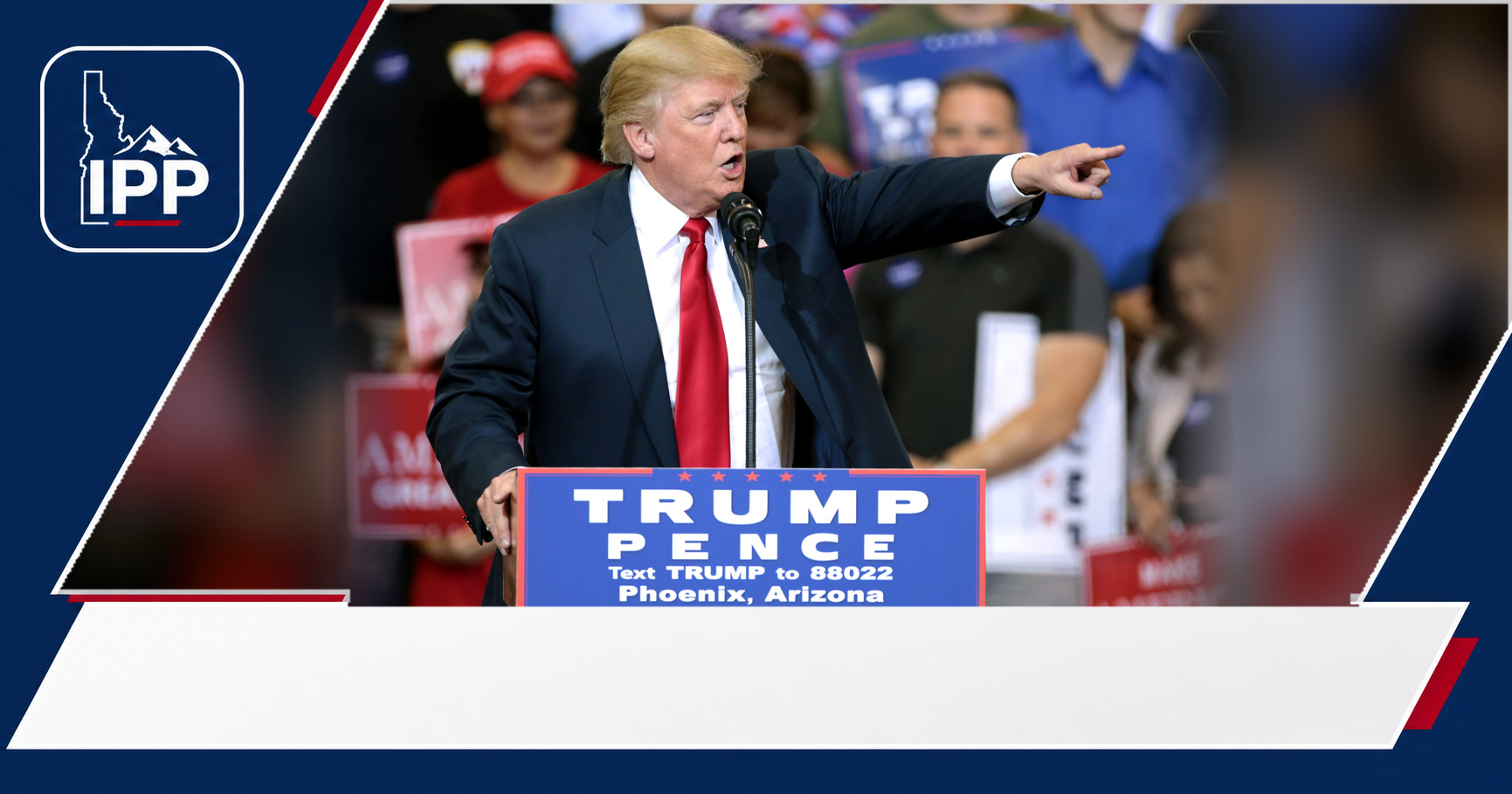
John Feeley, the former U.S. ambassador to Panama, described one meeting with Donald Trump that helped explain why he resigned from the Trump administration. Feeley said Trump asked what the United States got out of Panama, then asked, after hearing Feeley’s answer, how his hotel was doing there.
“I kid you not” captures the disbelief surrounding the exchange, but Feeley’s point was broader. In a 2018 NPR interview, he said the meeting crystallized worries about a foreign-policy process in which career diplomats were often left outside key decisions.
A meeting that stayed with Feeley
Feeley, a career Foreign Service officer and former Marine, had served under presidents of both parties before becoming ambassador to Panama. He told NPR that he viewed diplomatic service as fundamentally nonpartisan: career officials carry out the elected president’s policy, including policies they may personally oppose.
That commitment has a limit, he said. Feeley recalled being taught that an officer who can no longer faithfully implement the president’s foreign policy has an obligation to resign rather than remain in a job they cannot perform in good faith.
His meeting with Trump appears to have become a vivid example of the gap Feeley felt was opening between the State Department’s expertise and the White House’s approach. He said he was shocked by Trump’s opening question: “So what do we get out of Panama? What’s in it for us?”
Feeley said he responded by laying out the strategic value of the relationship, describing Panama as an excellent U.S. friend and ally. According to his account, Trump’s next question was about the performance of his hotel in Panama.
Why Panama matters beyond a hotel
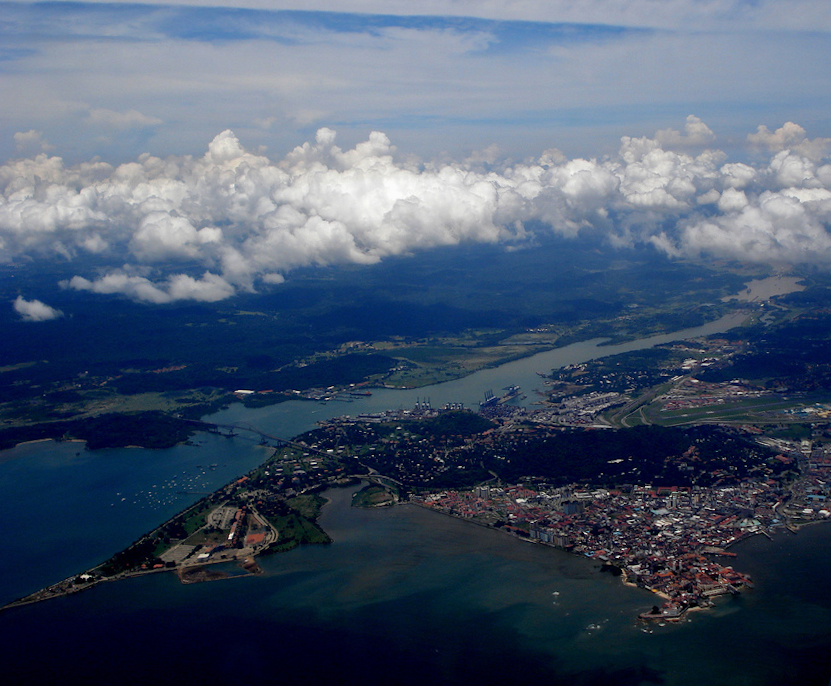
The exchange landed awkwardly because Panama is not a peripheral relationship for Washington. The country is home to the Panama Canal, a major artery for global shipping and a longstanding strategic interest for the United States.
U.S.-Panama ties also involve trade, migration, security cooperation and regional diplomacy. A president asking about a private business connected to his own brand, immediately after a policy briefing, can invite questions about whether public interests and private interests are being kept sufficiently separate.
Feeley did not present the hotel remark as proof of a specific policy decision. His concern, as he described it, was what the meeting suggested about preparation, priorities and the kind of information reaching the president before consequential discussions.
That distinction matters. A troubling personal impression is not the same as evidence that policy was altered for private gain. But Feeley’s account adds to the public debate over Trump-era ethics, presidential business interests and the influence of advisers outside the normal diplomatic structure.
The deeper dispute was consultation
In the NPR interview, Feeley’s criticism extended well beyond Panama. He argued that the Trump administration had little consultation with officials who possessed regional expertise, historical knowledge and direct experience working overseas.
He described a foreign-policy apparatus that, in his view, was increasingly directed from the Oval Office. Feeley pointed to the administration’s handling of North Korea at the time and said senior diplomatic professionals were not being consistently included in the deliberations.
His complaint was not that career officers should get the final word. He explicitly said diplomats serve the president and do not have veto power over elected leaders. The value they bring, he argued, is practical: languages, relationships, institutional memory and years spent working on specific countries.
Supporters of a more White House-centered system can make a different case. Presidents are elected to set foreign policy, and close advisers may move more quickly than a large bureaucracy. Direct channels can also avoid interagency delay. The unresolved question is whether speed and loyalty come at the cost of informed decision-making.
Feeley saw a warning in Mexico
Feeley also raised concerns about the role of Jared Kushner, Trump’s son-in-law and senior adviser, in policy affecting Mexico. He said experienced officials such as then-U.S. Ambassador to Mexico Roberta Jacobson had deep knowledge of the country but were not always part of high-level meetings.
Feeley did not argue that a presidential adviser should be barred from diplomacy. His argument was that anyone with direct access to the president should first seek out and absorb the expertise available inside government.
For diplomats, that is not a minor procedural complaint. Ambassadors and country specialists often spend years developing trusted relationships that can be critical during trade disputes, security crises or political transitions. Cutting them out can change not only who speaks for the United States, but also what information reaches the president.
Feeley compared this dynamic to political systems in parts of Latin America where formal titles do not always reveal where real power sits. The comparison underscored his discomfort with family members functioning as influential advisers in sensitive foreign-policy matters.
Resignation was Feeley’s answer
Feeley left his post after the meeting, and his departure became part of a wider story about turnover among senior State Department officials during Trump’s first year in office. NPR reported that many senior officials had departed the department by that point.
He said he initially intended to leave quietly. That changed after his private resignation letter to Trump was reported publicly by Reuters, prompting him to explain his reasoning more directly.
The essential point in Feeley’s account is not that one uncomfortable conversation mechanically “made him quit.” The meeting mattered because it reinforced his conclusion that he could no longer represent and implement an approach to foreign policy he believed discounted professional diplomatic input.
That is why the story still resonates. It is a reminder that resignations by career officials are often less about a single moment than about what that moment reveals: who is being heard, what expertise is valued and whether public service can still operate within the boundaries an official considers acceptable.
What Feeley’s account cannot settle
Feeley offered his own firsthand interpretation of his meeting and of the administration’s decision-making culture. Trump’s supporters may view his account as the perspective of a departing official who disagreed with an elected president’s governing style and priorities.
Still, Feeley’s version is notable because it comes from a diplomat who emphasized his Republican background and his long service across administrations. His criticism was aimed less at party ideology than at process, expertise and the role of career institutions.
The record does not establish that Trump’s Panama hotel drove a particular U.S. policy. Nor does it answer every question about how each foreign-policy decision was made. It does show why a former ambassador believed one meeting exposed a larger conflict between the president’s operating style and the diplomatic system Feeley had spent decades serving.




Leave a Reply