
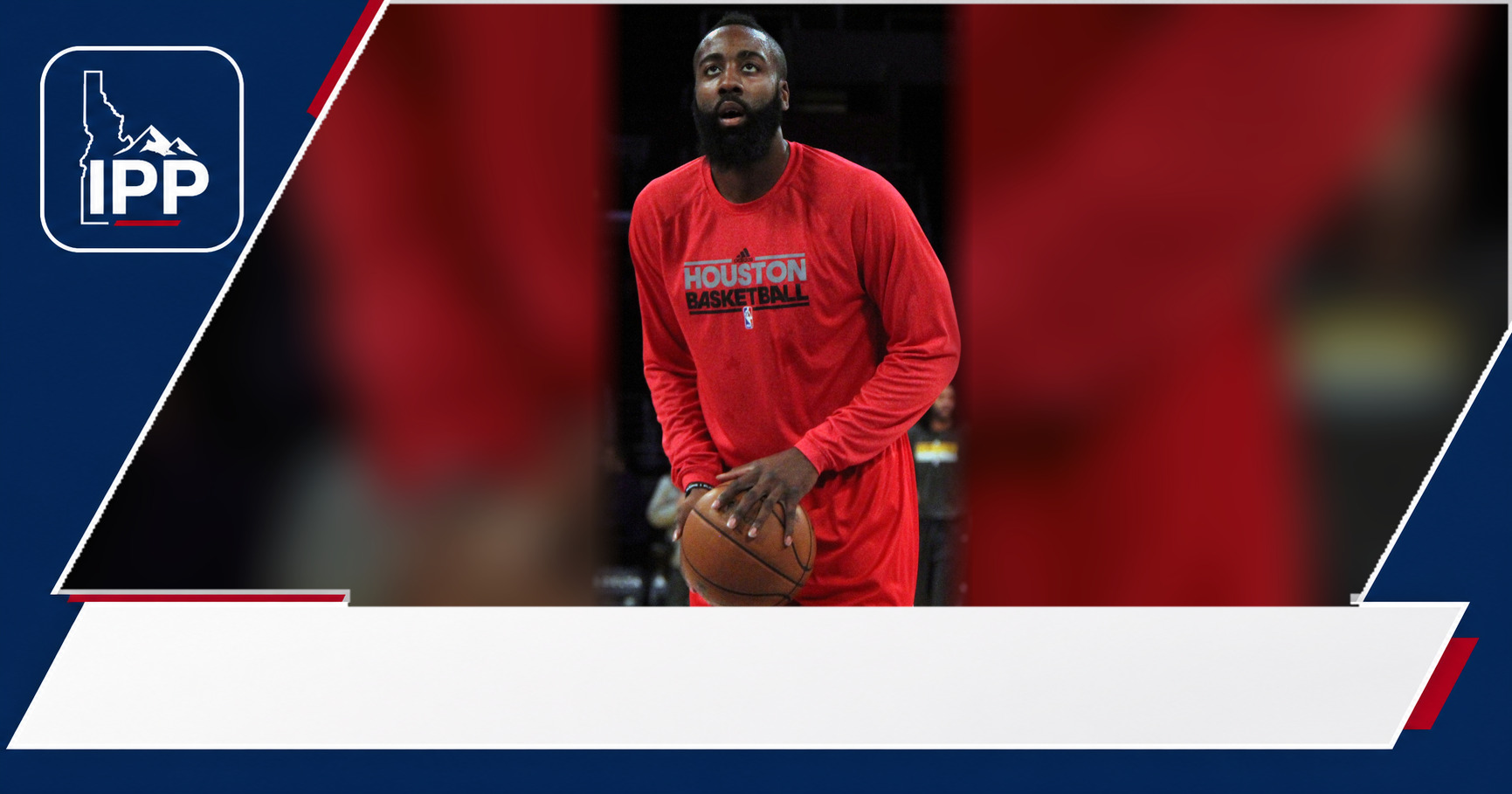
The Harden question in Cleveland is not just star power. The size and timing of his next deal could shape how much flexibility the Cavaliers have left to add help.
James Harden has a new free agency update, and the update matters for the Cleveland Cavaliers: his next NBA free agency contract could determine whether Cleveland can keep using a $10 million trade exception while staying below the second apron. In plain terms, this James Harden free agency watch is not only about whether the Cavaliers retain a star guard.
It is about how much room they leave themselves to build the rest of the roster. A cap-focused analysis from King James Gospel argues that if Harden’s first-year salary lands below roughly $30 million, Cleveland could have a clearer path to use its $10 million Lonzo Ball trade exception without crossing that costly payroll line.
The number is the story
Free agency rumors usually revolve around destination, years and star preference. This one is more precise. For the Cavaliers, Harden’s next deal could function like a roster-building switch.
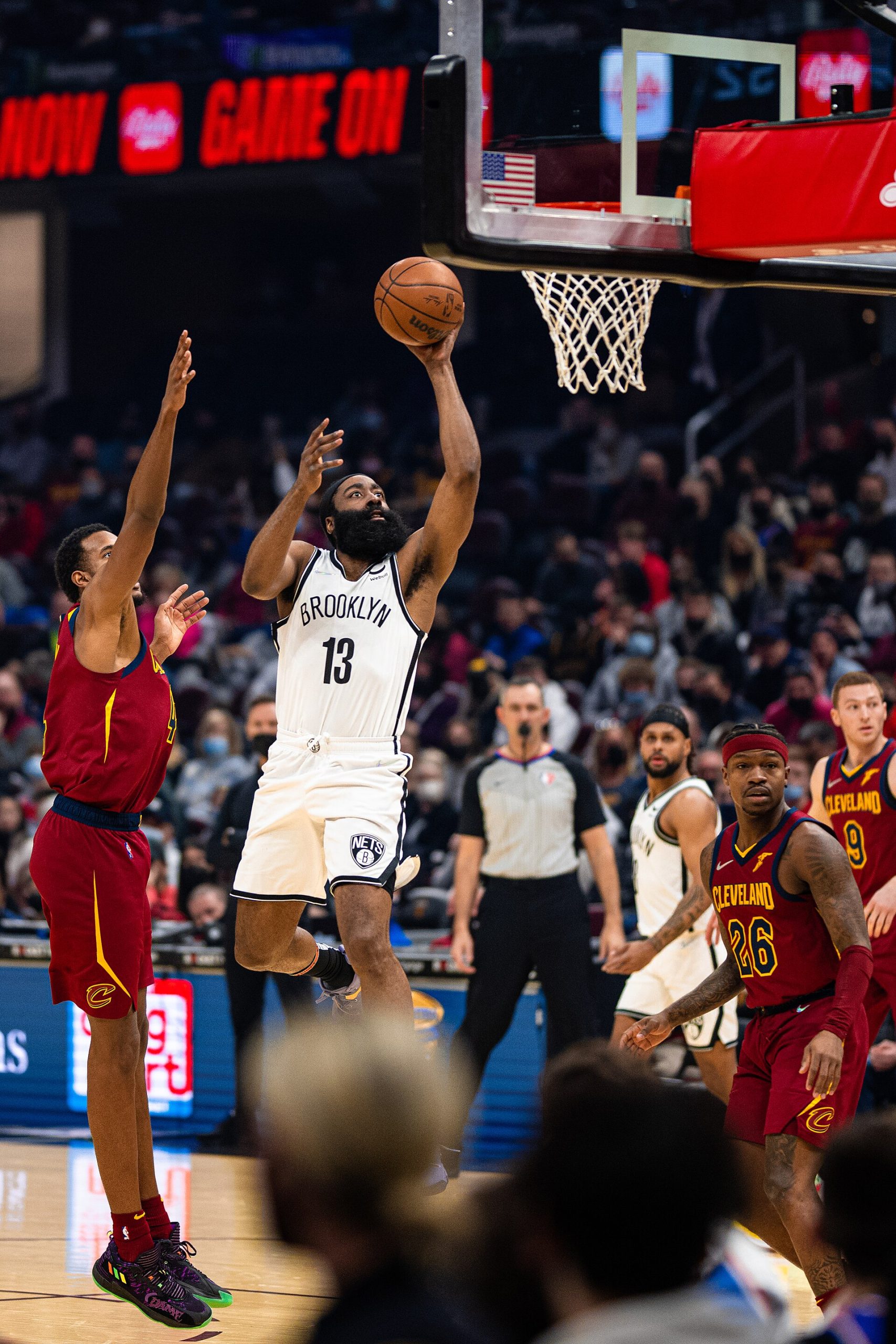
If the first-year salary is low enough, the Cavs may be able to keep a useful trade mechanism alive. If it rises too high, that trade exception becomes harder to use without pushing the team into second-apron territory.
King James Gospel framed the key threshold around Harden signing for less than $30 million in the first year. The site’s analysis said the Cavaliers are roughly $35 million below the second apron after the Mario Hezonja signing, and that a Harden salary closer to $25 million would leave enough practical space to use most or all of the $10 million exception.
That is why a Harden contract can be significant for Cleveland even before any outside addition happens. The dollar figure itself may decide what kind of depth the front office can pursue next.
Why the second apron bites
The NBA’s second apron is more than a luxury-tax marker. It is designed to limit how freely high-spending teams can maneuver, making every extra million matter for contenders trying to add role players around expensive stars.
For Cleveland, that means Harden’s deal cannot be judged only as fair value for Harden. It also has to be measured against the opportunity cost of losing flexibility elsewhere on the roster.
A slightly cheaper contract could create room for another rotation player. A richer contract could preserve Harden’s market value but reduce the Cavaliers’ ability to patch holes, add insurance or respond during the season.
That tension is the real free agency update. Harden’s future is tied to Cleveland’s ability to act like a contender after he signs, not just to the headline of retaining him.
What a discount could unlock
The most team-friendly scenario floated in the analysis is a deal in the neighborhood of three years and $75 million. That would average $25 million per season and, if structured that way in the first year, could leave Cleveland in position to use the trade exception more aggressively.
The more expensive possibilities are still reasonable by star standards. King James Gospel noted that two years and $60 million or three years and $90 million may be closer to what Harden could seek. Those versions would put him around $30 million per season and make the trade-exception math tighter.
The trade exception matters because it gives Cleveland a way to absorb a player without matching salary in a traditional trade. It is not a star-hunting tool at $10 million, but it can be enough to add a useful bench piece.
The site mentioned several examples of salaries that could fit, including Ty Jerome at $9.2 million, Jalen Smith at $9.4 million, Miles McBride at $3.9 million, Dalton Knecht at $4.2 million and Svi Mykhailiuk at $3.8 million. Those names should be read as illustrative fits, not confirmed Cavaliers targets.
Harden has leverage too
The Cavaliers may prefer a discount. Harden does not have to give them one.
That is the part that makes this situation more complicated than a clean cap puzzle. Harden taking less money would help Cleveland improve the team around him, but it would also require him to accept a smaller contract than he might be able to command in free agency.
King James Gospel noted that Harden had previously been willing to wait on an extension while Cleveland’s larger roster picture developed. That willingness is meaningful, but it does not guarantee he will take less now. Waiting is different from discounting.
There is also a basketball argument on Harden’s side. If the Cavaliers view him as essential to their post-LeBron James roster construction, he can reasonably ask to be paid like it. The front office’s challenge is finding the line where respect for Harden’s value does not erase the flexibility needed to support him.
Cleveland’s risk is depth
The Cavaliers’ core question is not whether Harden is talented enough to justify a major deal. It is whether the team can survive the rest of the roster consequences if that deal climbs too high.
Contenders often lose margins at the edges. A backup guard, a stretch big, a wing defender or an injury replacement can swing a playoff series. A $10 million exception is not glamorous, but it can be the difference between filling a real need and hoping minimum contracts solve it.
That is why Cleveland’s free agency calculus could become a negotiation over structure as much as total money. The first-year salary, raises, options and guarantees may all matter if the Cavaliers are trying to preserve a specific amount of working room under the second apron.
What remains unclear is Harden’s market. If other teams are willing to push the price higher, Cleveland may have to choose between paying up or risking a major talent loss. If Harden’s market is softer, the Cavaliers could have more leverage to seek a number that keeps the trade exception useful.
The takeaway for the Cavs
The latest Harden free agency conversation is significant for the Cavaliers because it turns a contract negotiation into a roster-building referendum. A lower first-year number could keep the $10 million trade exception in play. A higher number could force Cleveland to operate with fewer tools.
That does not mean Harden should automatically take less, and it does not mean the Cavaliers should lowball a player they need. It means the next update that matters most may not be a destination report. It may be the first-year salary.
For Cleveland, the cleanest outcome is obvious: keep Harden, stay below the second apron and preserve enough flexibility to add another contributor. The hard part is getting all three at once.







Leave a Reply