
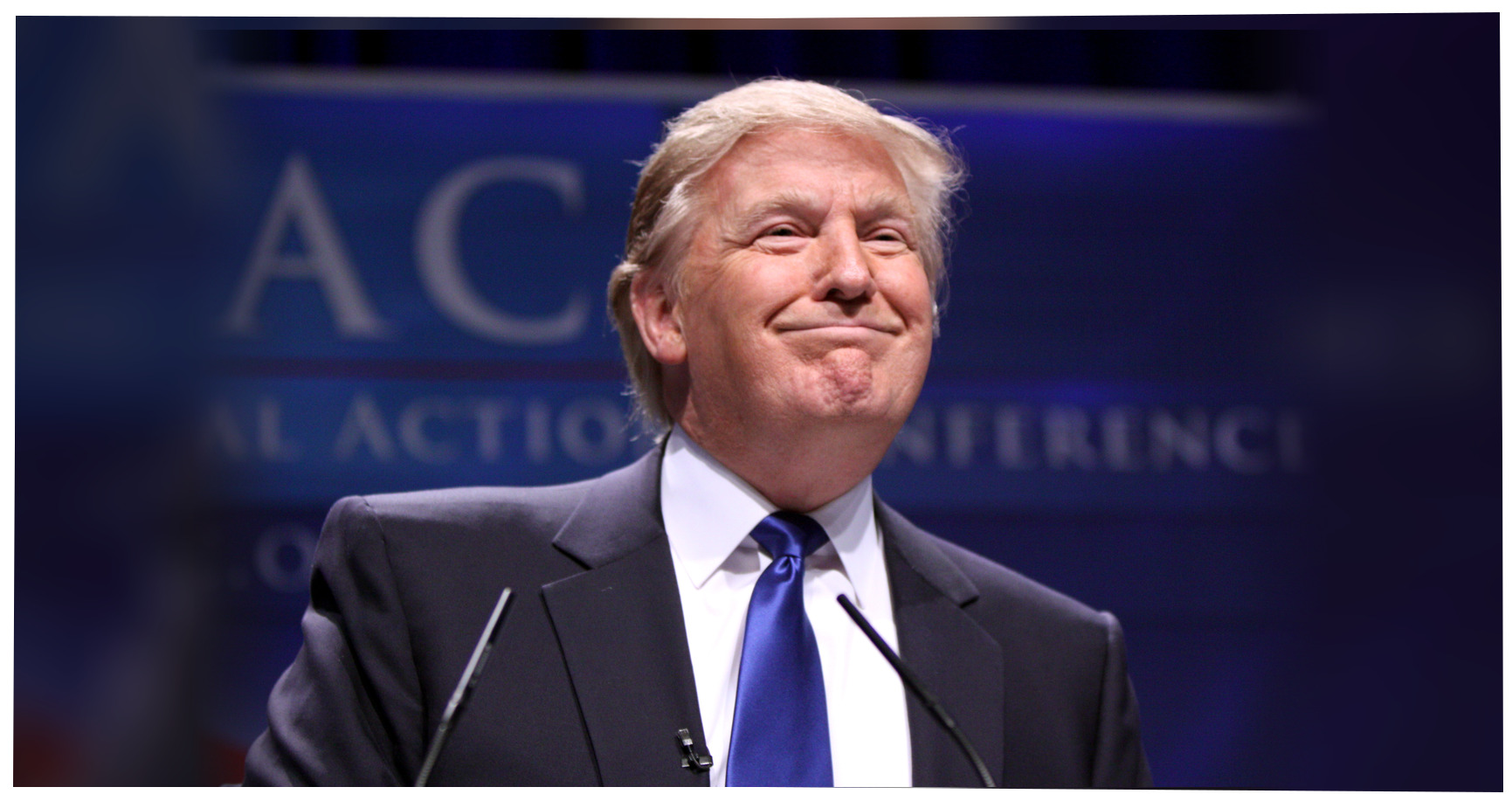
The case puts a disputed edit of Donald Trump’s January 6, 2021, speech before a Florida court. The BBC’s response attacks not only the claim itself, but Trump’s choice of where to bring it.
The BBC argues that Donald Trump cannot sue it in Florida and cannot prove his defamation claim in a $10 billion lawsuit over the broadcaster’s editing of his January 6, 2021, speech in a documentary. The BBC has asked a U.S. judge to dismiss Trump’s case, challenging both Florida’s authority over the British broadcaster and the legal basis for damages.
Trump’s lawsuit accuses the BBC of misrepresenting his speech through an edit that combined remarks delivered nearly an hour apart. The dispute matters because the BBC has acknowledged an error of judgment and apologized for the edit, while still arguing that an editorial mistake is not necessarily actionable defamation.
Two arguments against one lawsuit
The BBC’s position, as reported by Reuters, is a broad challenge to Trump’s Florida case. It argues the court should dismiss the lawsuit rather than move into the evidence-gathering and trial stages.
One question is jurisdiction: whether a Florida court has legal authority to hear claims against the BBC, a British public broadcaster, over a documentary made and initially aired outside the United States. The other is whether Trump has alleged enough to establish defamation under the applicable legal standard.
Those are separate hurdles. A judge could decide the Florida court is not the right forum without reaching the merits of the disputed edit. Or the court could consider the defamation arguments even if it concludes it has authority over the BBC.
The edit at the center
Trump’s 33-page complaint alleges the BBC spliced together portions of his January 6, 2021, remarks to create a misleading impression that he urged supporters toward violence at the U.S. Capitol. The documentary, Trump: A Second Chance?, aired shortly before the 2024 presidential election.
According to the Associated Press, the program combined three quotations from two portions of Trump’s speech that were delivered roughly an hour apart. The resulting edit included Trump saying supporters would march with him and “fight like hell.”
The lawsuit says the program omitted language in which Trump said he wanted supporters to demonstrate peacefully. Trump has described the dispute as the BBC putting words in his mouth.
The broader context is unusually sensitive. Trump delivered the speech before supporters stormed the Capitol while Congress was certifying Joe Biden’s 2020 election victory, which Trump falsely claimed had been stolen.
The BBC apologized but denied defamation
The BBC’s response has not been that the edit was flawless. The broadcaster apologized to Trump over the edited clip, and BBC chairman Samir Shah described it as an “error of judgment,” according to AP.
That acknowledgment had serious internal consequences. The controversy contributed to the resignations of the BBC’s top executive and its head of news.
But an apology does not automatically settle a defamation case. The BBC has rejected Trump’s assertion that it defamed him and has said it would defend the lawsuit.
That distinction is central to the fight now before the court: a broadcaster can concede that an edit was wrong or misleading while disputing that the error satisfies every requirement for legal liability and multibillion-dollar damages.
Why a defamation claim is difficult
Defamation cases generally require a plaintiff to show a false statement of fact that harmed reputation. Public officials and public figures also face a higher constitutional bar in many U.S. cases: they must show the defendant acted with knowledge of falsity or reckless disregard for the truth.
Trump, as president and one of the world’s most recognizable political figures, would face that demanding standard in a U.S. defamation claim. The BBC’s filing argues he cannot establish defamation; the details of its legal reasoning and the specific law the judge applies will be crucial.
Trump’s complaint seeks $5 billion for defamation and another $5 billion under allegations of deceptive and unfair trade practices. The size of the demand makes the case politically and commercially striking, but the requested amount is not evidence that the underlying legal claims will succeed.
Trump’s side can argue that the BBC’s edit created a false and damaging portrayal at an especially consequential political moment. The BBC can counter that the program’s treatment of publicly known events, the legal standards protecting news organizations and the available context defeat the claim.
Florida is its own legal battle
The choice of Florida is not a technical footnote. Trump filed there after deadlines for pursuing the matter in British courts had expired, AP reported.
Legal observers have also pointed to a practical complication: the documentary was not shown in the United States in its original broadcast. Trump’s lawsuit argues that U.S. viewers could access BBC programming through BritBox or by using a virtual private network.
For the BBC, that creates an opening to question the link between the broadcaster, the documentary and Florida. A court assessing jurisdiction may examine the organization’s ties to the state and whether the alleged harm is sufficiently connected to the forum.
Trump’s filing, meanwhile, frames the alleged damage as affecting him in the United States and says the BBC’s content was available to U.S. audiences. The competing accounts show why the venue dispute could shape the entire case.
What a judge may decide next
A dismissal request does not decide whether the BBC’s edit was responsible journalism, nor does it erase the reputational damage already caused by the controversy. It asks whether this lawsuit can proceed in this court under the claims Trump chose.
The judge could dismiss the case outright, allow all or part of it to continue, or permit Trump to revise aspects of his complaint. A ruling on jurisdiction could come before a fuller examination of the defamation allegations.
For now, the clearest point is that the BBC is not relying solely on its apology or a public defense of its reporting. It is making a legal argument that Trump’s $10 billion claim fails on both the forum and the facts needed for defamation.
The outcome will test the limits of a U.S. court’s reach over a foreign broadcaster and the difference between a documented editorial failure and a legally provable defamatory act.



Leave a Reply