
The reported remarks are more than inflammatory rhetoric: they land amid renewed disputes over who controls access to one of the world’s most consequential energy chokepoints. Here is what is known, why the Strait of Hormuz matters and what remains uncertain.
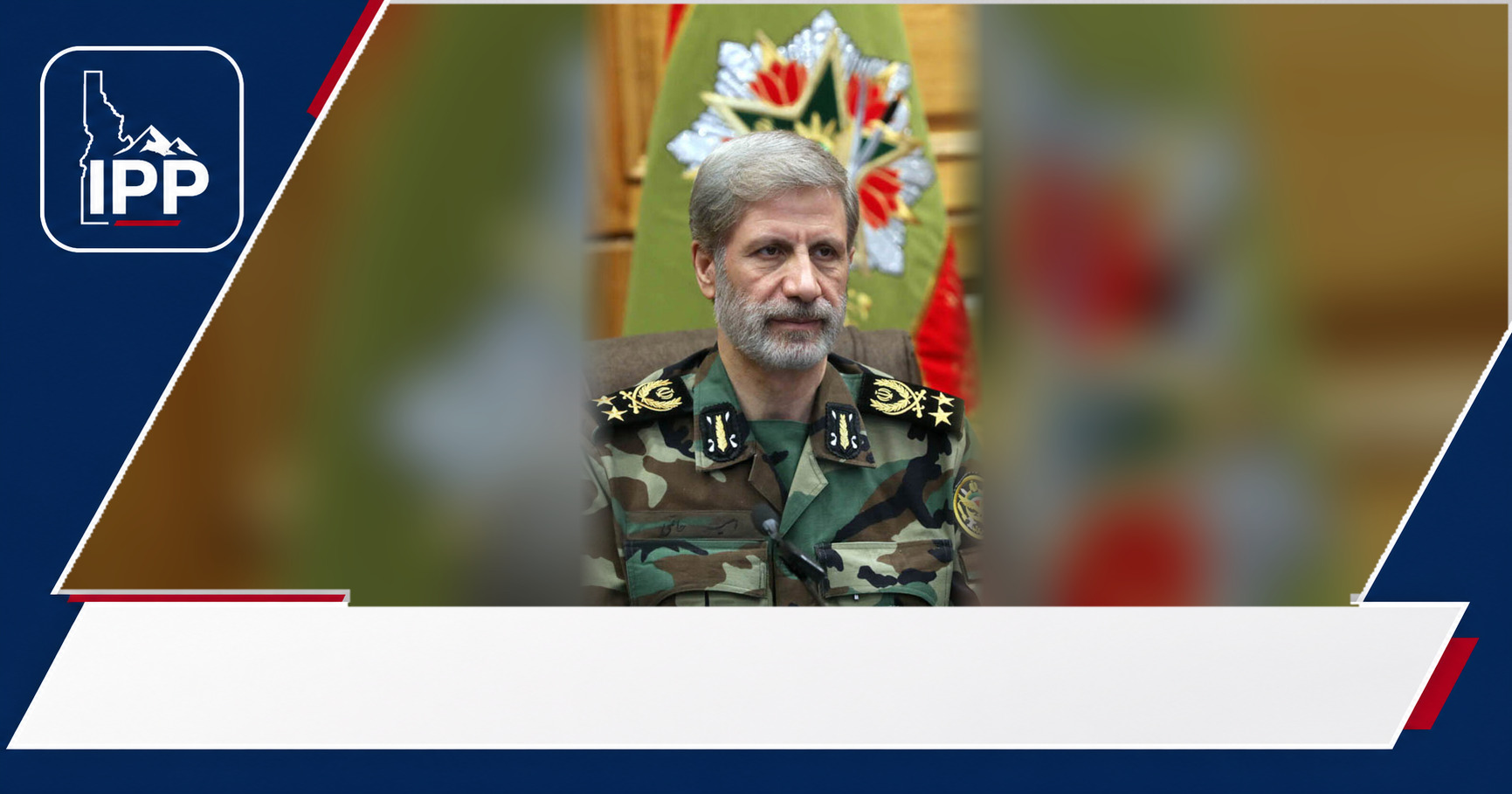
Iran’s army chief reportedly threatened Donald Trump, saying Iran’s defenders would “break your legs” in remarks tied to the Strait of Hormuz. The threat concerned the strategic waterway between Iran and Oman, and this developing story has been the subject of live updates as tensions over shipping and U.S.-Iran policy continue.
The wording is stark, but the bigger issue is not the insult itself. The Strait of Hormuz is a narrow route for oil, natural gas and commercial cargo leaving the Persian Gulf, so threats or military moves around it can quickly carry consequences far beyond Iran and the United States.
What the reported threat means
The reported comments raise the temperature in an already volatile confrontation between Tehran and Washington. They also reflect the way Hormuz has become shorthand for a much broader dispute: Iranian influence near its coast, the security of international shipping, and the U.S. role in protecting maritime transit.
At this stage, the available source material establishes the reported threat and its connection to Hormuz, but it does not provide a full official transcript, a precise time of the statement or a detailed account of any U.S. response. That distinction matters. In a fast-moving crisis, bellicose language can signal policy, domestic political messaging or an attempt at deterrence; it does not, by itself, establish that a new military operation is imminent.
Iranian officials and military figures have long used forceful rhetoric when addressing foreign pressure. The immediate question is whether the remarks are followed by concrete actions affecting vessels, navigation rules, military deployments or diplomatic contacts.
Why Hormuz carries global weight
The Strait of Hormuz links the Persian Gulf with the Gulf of Oman. Iran sits on its northern side and Oman on its southern side. It is geographically small, but it is one of the world’s essential maritime passages because major energy exporters rely on it to reach international markets.
A Congressional Research Service report says the waterway remains critical for oil, natural gas and other commodities. The report warns that, unless viable alternatives gain much greater capacity, the strait’s importance to the global economy is unlikely to diminish.
That is why even localized maritime incidents can move energy markets and unsettle insurers, shipping firms and governments. A disruption need not amount to a formal closure to create costs. Rerouting cargo, delaying departures, changing navigation practices and raising insurance premiums can all affect the price and reliability of trade.
- For Gulf exporters: Hormuz is a principal outlet to overseas customers.
- For importing countries: supplies of oil and liquefied natural gas can be exposed to delays or higher costs.
- For consumers: instability can contribute to wider energy and commodity-price pressure.
- For the United States: the issue combines regional security commitments with economic and diplomatic risks.
Shipping has become the flashpoint
Congressional researchers describe a turbulent 2026 sequence around the strait. Their report says Iran sought greater control over shipping after U.S. and Israeli attacks that began in late February, including directing ships through Iranian territorial waters and targeting vessels that did not comply with Iranian demands.
According to the CRS account, the United States and Iran reached a ceasefire in April and signed a memorandum of understanding in June. Conflict then resumed in July, with Iranian forces reported to have attacked commercial shipping deemed noncompliant with Iranian directives.
The report says Iranian leaders have asserted a right to control shipping across the entire strait, a claim it characterizes as unprecedented. Tehran’s position has been contested, and the United States has at times sought to help vessels use routes outside Iranian waters.
This is the practical context behind the political language. The dispute is not only about access to a map line. It is about who sets the rules for ships, which channels they use, who provides security and whether any party can impose conditions on passage.
Trump’s role in the dispute
Donald Trump’s comments on Hormuz have placed him directly in the rhetorical crossfire. CRS says that during renewed U.S.-Iran conflict in July, Trump raised the prospect of requiring economic benefits for the United States in exchange for efforts to facilitate and protect shipping through the strait.
That framing is likely to be especially provocative to Iranian leaders, who have tied control of the waterway to sovereignty and regional power. From Washington’s perspective, free navigation is a longstanding strategic interest, particularly because disruptions can affect allies, energy markets and commercial traffic well beyond the Gulf.
There are competing arguments over the best path forward. Advocates of a stronger U.S. security posture argue that credible protection for commercial vessels deters coercion and lowers the risk of sustained disruption. Critics warn that a larger military role can deepen confrontation, increase the possibility of miscalculation and leave the United States more entangled in a regional conflict.
Three paths now in view
The CRS report outlines several broad possibilities, none of them simple. One is a major U.S. military effort to establish control over Iranian coastal areas near the strait. Another is a negotiated arrangement involving Iran, the United States and other parties to govern shipping channels, procedures or payments. A third is a reduced U.S. presence in the Gulf.
Each route has tradeoffs. Military escalation could create sharper short-term shocks to energy and commodity markets, even if it were eventually to reduce Iran’s ability to threaten shipping. A negotiated system might lower immediate risks, but it could also alter the previous expectation of relatively free passage. A U.S. pullback could reduce demands on American assets while potentially expanding Iran’s leverage.
No outcome should be assumed from one reported threat. The meaningful indicators will be operational: whether commercial vessels face new demands, whether military assets move closer to shipping lanes, whether officials issue formal navigation guidance, and whether diplomatic channels reopen or narrow.
What remains unclear after the remarks
The reported “break your legs” statement is a vivid marker of hostility, but several key facts remain unresolved. The available material does not establish whether it reflects a newly announced Iranian policy, whether it was coordinated with other branches of Iran’s security establishment, or whether it will produce an immediate change in conditions for ships transiting Hormuz.
It is also unclear how the Trump administration will answer publicly and privately. A restrained response could leave room for de-escalation; a more forceful one could be intended to reinforce deterrence but may invite another round of rhetoric or action.
For now, the clearest takeaway is that the Strait of Hormuz remains both a physical chokepoint and a political pressure point. The reported threat against Trump is significant because it comes amid a contest over maritime control whose effects can reach shipping lanes, energy markets and U.S. foreign policy well beyond the Gulf.




Leave a Reply