
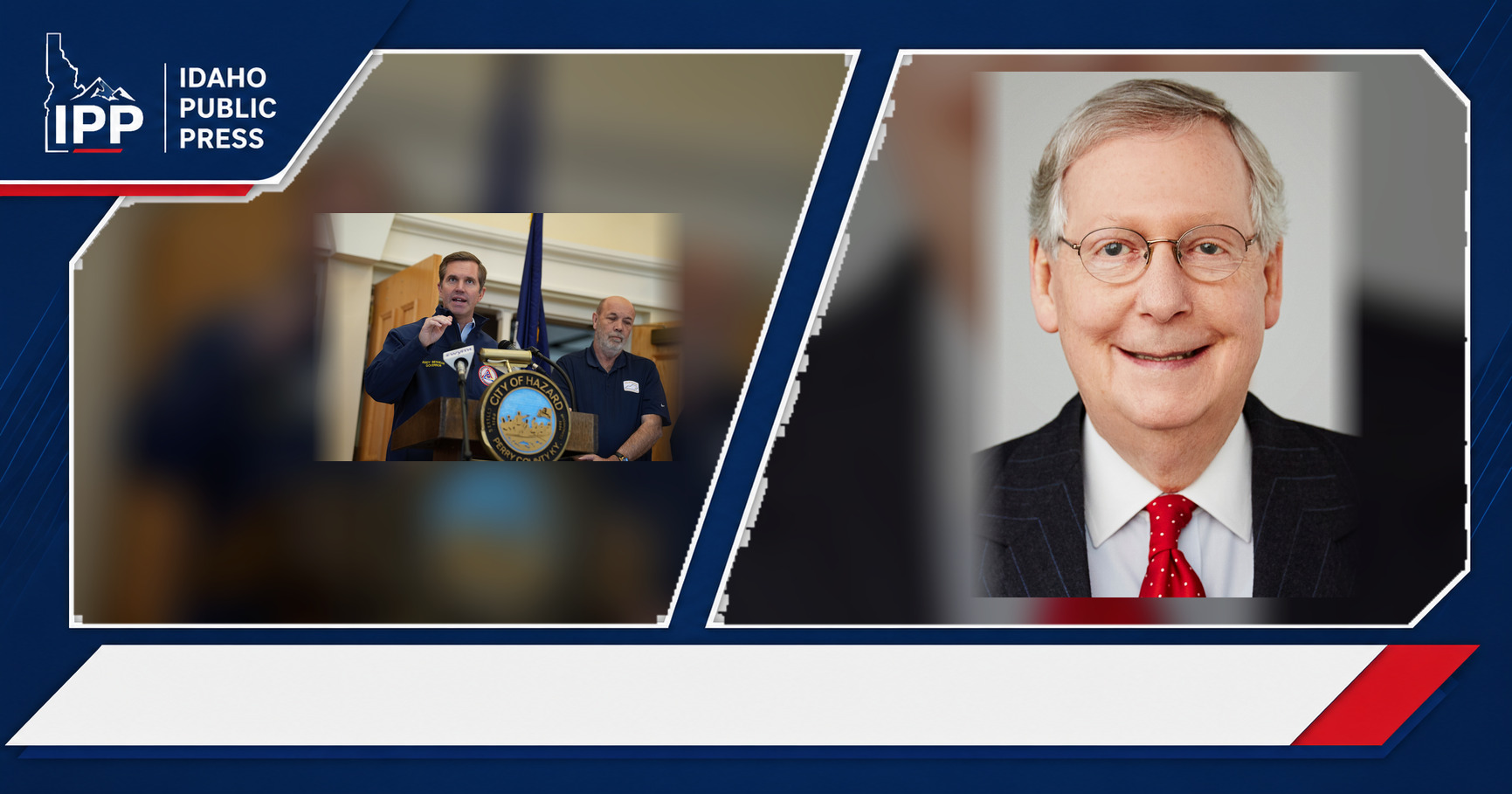
The dispute is about more than one senator’s recovery. It puts public transparency, Senate representation and the limits of political privacy at the center of a high-profile Kentucky clash.
Kentucky Gov. Andy Beshear said Sen. Mitch McConnell “absolutely refuses” to make a proof-of-life video, escalating his demand that the Republican prove he can continue serving in the U.S. Senate or resign. The dispute follows McConnell’s June 14, 2026, hospitalization and has become a public test of how much Kentucky voters should be told about a senator’s health and ability to work in Washington.
On July 28, Beshear called on McConnell to directly and verbally address Kentuckians after a lengthy rehabilitation stay. McConnell’s office had said he was not yet medically cleared to leave the facility, would miss a major Kentucky political gathering and would be absent for upcoming Senate votes.
Beshear turns up the pressure
Beshear’s latest letter represented a sharper step than his earlier requests for information. The Democratic governor had already urged McConnell in early July to provide more details after weeks without a public appearance from the senator himself.
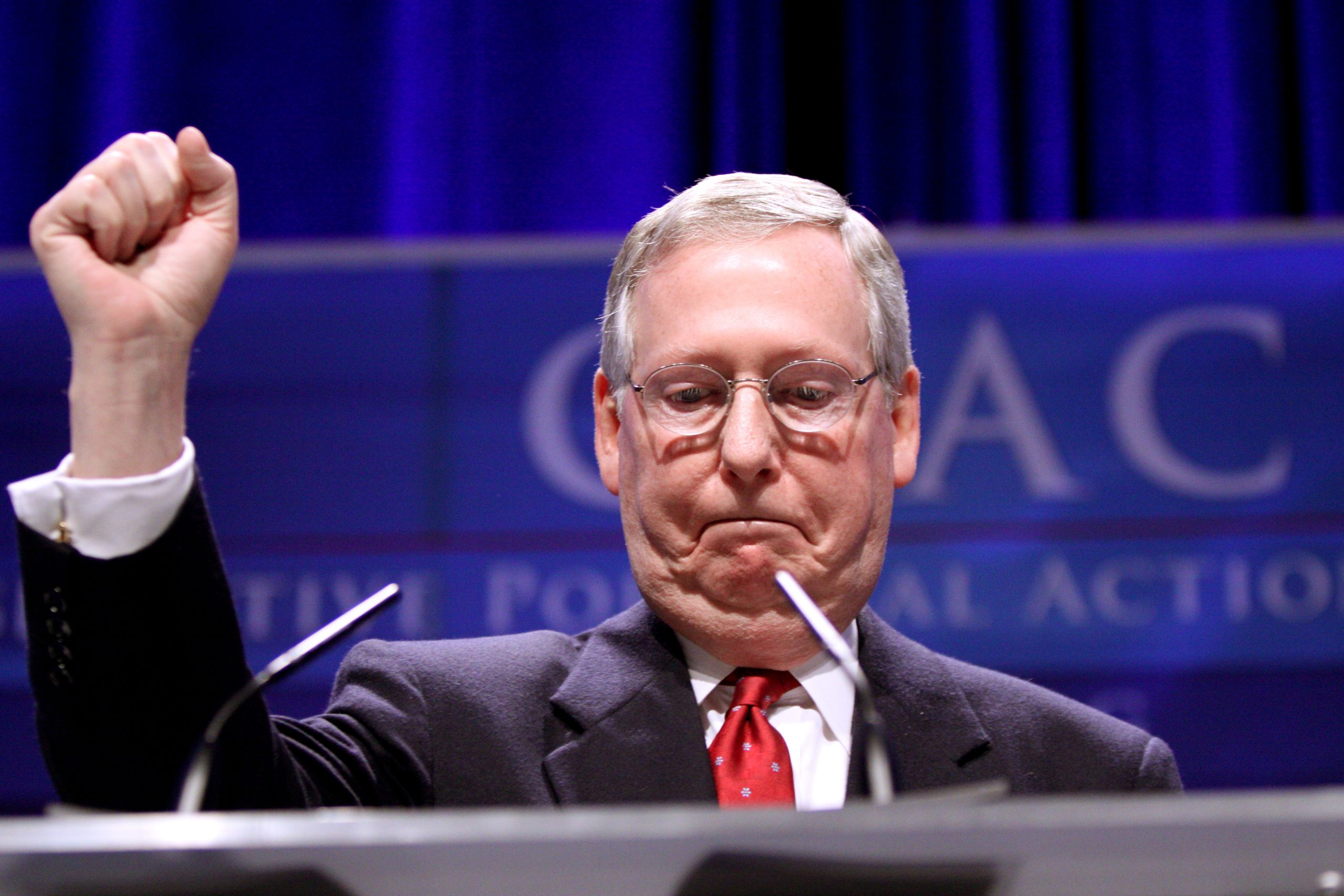
According to reporting by The Associated Press, Beshear wrote that McConnell should provide “proof of your capacity to serve, or resign.” The governor’s point was not simply that McConnell’s health is a private concern; it was that an extended absence creates a public question about whether Kentucky has an active voice in the Senate.
The phrase “proof-of-life video” is deliberately provocative, and it has helped turn an already serious health matter into a political flashpoint. Beshear’s underlying request is more specific: a direct, spoken public account from McConnell that demonstrates he is able to carry out the job.
McConnell’s office has offered updates
McConnell, 84, was hospitalized June 14 after a fall, according to his office. He later disclosed the cause of the hospitalization and entered a rehabilitation facility for physical therapy.
His office issued significant updates on July 12 and July 27, each accompanied by a photograph, AP reported. The office said he had not yet been cleared to leave rehabilitation at the time of Beshear’s July 28 letter.
Those updates provide some information about McConnell’s recovery, but they do not answer the question Beshear is pressing: when, and in what form, will the senator personally speak to the public? McConnell’s office and Senate Majority Leader John Thune’s office did not comment on Beshear’s letter, AP reported.
The issue is transparency, not diagnosis
There is an important distinction between demanding private medical records and asking an elected official to communicate about public responsibilities. Beshear has not publicly claimed to diagnose McConnell or described a specific medical condition beyond the reported fall and rehabilitation.
Instead, he has argued that the senator should show that he remains able to serve. Beshear also asked Thune to investigate McConnell’s condition if McConnell does not demonstrate his capacity to continue in office.
Supporters of Beshear’s position may see a direct appearance as a minimal accountability measure for an official whose Senate duties affect Kentucky and national policy. They can reasonably argue that voters need more than staff statements when a senator is missing votes and public events.
McConnell’s defenders may counter that recovery from a fall is personal, that medical clearance should guide decisions about travel and appearances, and that a public video is not a medical evaluation. They may also argue that an office can keep constituents informed without turning rehabilitation into a spectacle.
Why McConnell’s absence stands out
McConnell is not a little-known backbencher. He led Senate Republicans for nearly two decades and remains one of Kentucky’s most consequential political figures. A prolonged absence from votes and home-state events therefore draws more attention than a routine short-term medical leave.
The Senate can function when individual members are absent, but representation is not only about whether a chamber reaches a quorum. Senators vote, negotiate, attend committee work, respond to constituents and influence legislation behind closed doors. The longer an absence lasts, the more questions arise about who is making decisions and how fully a state is represented.
The confrontation also lands at a moment when voters have become more attentive to the age and health of national leaders. Recent deaths of sitting lawmakers and the intense scrutiny of President Joe Biden’s age and health have made the subject harder for political figures to sidestep.
What remains unanswered for Kentucky
The available reporting does not establish a timetable for McConnell’s return to Washington, a date for his departure from rehabilitation or whether he plans to make a public video statement. It also does not show that McConnell has personally responded to Beshear’s demand.
That uncertainty is at the heart of Beshear’s argument. He has said that fuller transparency could have reduced the speculation that has grown online during McConnell’s absence.
For now, the dispute leaves two competing expectations in view. One is that an elected official recovering from a serious setback deserves room for privacy and care. The other is that a senator’s ability to perform public duties cannot remain an open-ended question when that senator is absent from the work voters elected him to do.
McConnell’s next public appearance, medical update or Senate vote will likely determine whether Beshear’s challenge fades as a partisan clash or becomes a larger debate about disclosure standards for aging officials in Washington.









Leave a Reply