

The ruling means Clark remains available for Indiana’s next game against the New York Liberty. It also puts fresh focus on how the league reviews technical fouls that can trigger automatic discipline.
The WNBA rescinded Caitlin Clark’s technical foul from the Indiana Fever’s Aug. 8, 2026, win over the Chicago Sky, meaning Clark will not be suspended after receiving her eighth technical foul of the season. Under league rules, an eighth technical normally brings a one-game suspension, but the WNBA’s immediate decision leaves Clark eligible for the Fever’s next game against the New York Liberty.
The reversal matters because the call came after a disputed sequence in Chicago, not an extended confrontation or a clear-cut ejection-level incident. It also shows how much can hinge on a league review when a player is sitting at a disciplinary threshold.
The call that changed quickly
Clark was assessed the technical with 1:06 left in the third quarter of Indiana’s 90-86 victory over Chicago. She had driven along the baseline and attempted a pass when contact from Sky guard Natasha Cloud sent her out of bounds and into a nearby official.
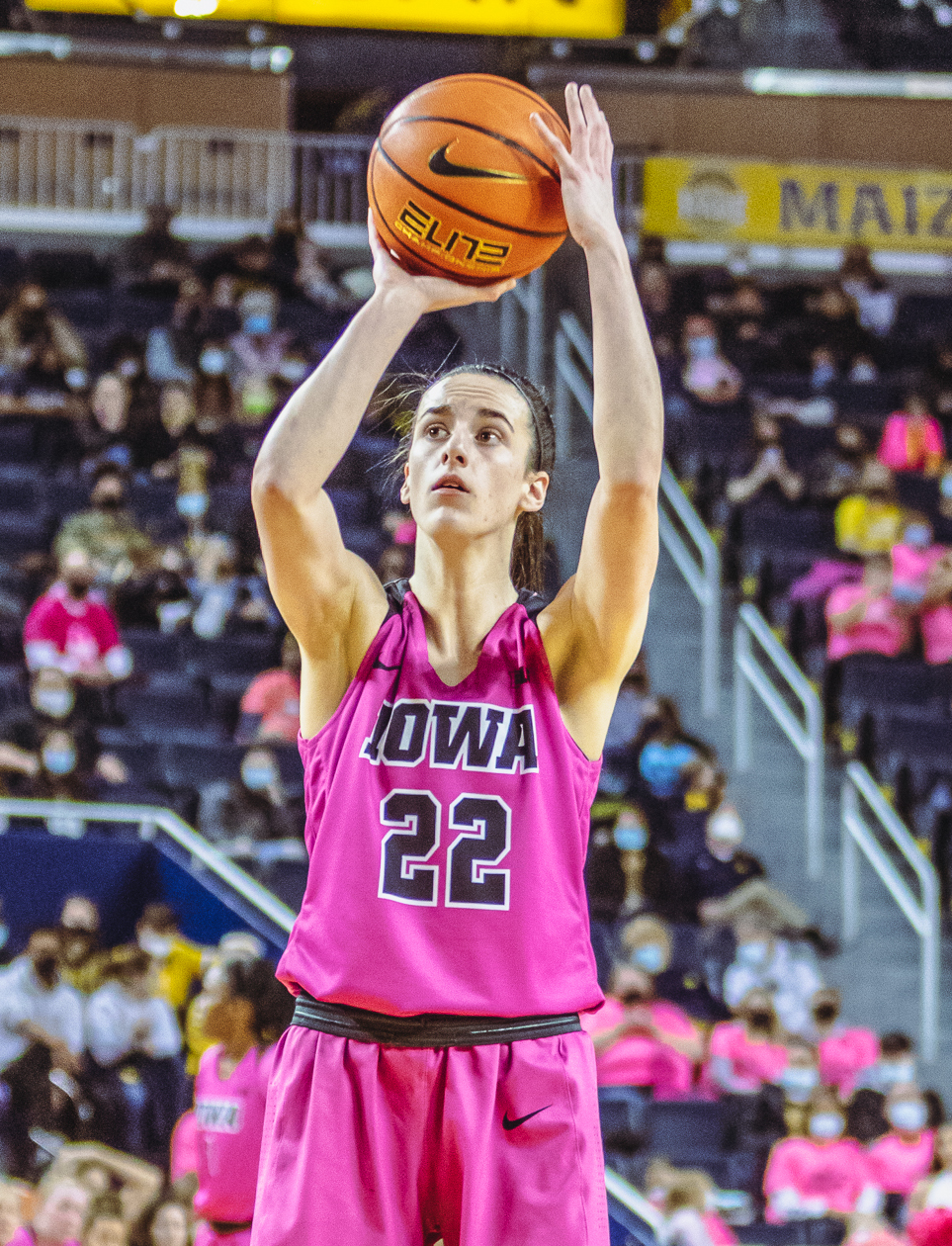
The on-court ruling was a technical for contact with an official. That distinction carried major consequences because it was ruled as Clark’s eighth technical of the regular season.
USA Today reported that a person with direct knowledge of the league office’s decision said the technical was rescinded. Reuters also reported that Clark avoided suspension after the WNBA removed the foul from her record.
The league’s decision does not erase the larger question raised by the play: how officials should distinguish between intentional contact and incidental contact when a player is bumped, loses balance and ends up near an official.
Why the eighth technical matters
WNBA rules attach an automatic one-game suspension to a player’s eighth technical foul during the regular season. Had the call stood, Clark would have missed Indiana’s Aug. 11 game against New York.
The technical-foul ladder becomes more consequential after that point. According to the rules cited by USA Today, each technical beyond the eighth carries a $1,500 fine, while every other additional technical also results in another one-game suspension.
- Eighth technical: automatic one-game suspension.
- Additional technicals: $1,500 fines apply after the eighth.
- Every other technical after that: another one-game suspension.
That framework explains why an appeal or review of a single whistle can matter well beyond one possession. A technical assessed in August can affect availability, rotations and a team’s plans for the next game.
Clark and White disputed intent
Clark said after the game that she had already watched the sequence and hoped the call would be rescinded. Her position was that the contact with the official was not intentional.
Fever coach Stephanie White was more forceful. White said officials told her Clark had intentionally sought out the official and used her forearm, but she described the call as a bad one and said the contact appeared incidental.
Those accounts illustrate the central disagreement. Officials must protect themselves and enforce rules against player contact, particularly when games are physical or emotions are high. The Fever, meanwhile, argued that Clark’s movement toward the official could not be separated from the contact that knocked her off course.
The WNBA’s rescission suggests the league ultimately did not believe the original technical should remain. But the reporting available did not include a detailed public explanation from the league about the review process or the precise standard used to overturn it.
Indiana keeps its lead guard
The immediate basketball effect is straightforward: Clark can play against the Liberty rather than serve a mandatory suspension. She enters that game coming off 26 points and 11 assists against the Sky, according to USA Today.
For the Fever, availability is particularly valuable because Clark is both a high-volume scorer and the team’s primary playmaker. Removing her for a game would have changed Indiana’s ball-handling responsibilities and likely forced a different offensive approach.
There is also a broader league interest in getting these calls right. Technical fouls are supposed to deter unsportsmanlike behavior and protect game officials, not become an automatic penalty when the evidence indicates a player’s contact may have been accidental.
That does not mean every disputed technical should be overturned. The point of a review is to make room for the unusual play where the live ruling does not fully capture the circumstances.
A decision with wider implications
Clark’s case will inevitably draw outsized attention because of her profile, but the underlying issue applies to every WNBA player near the technical-foul limit. A transparent and consistently applied review process helps prevent the perception that discipline depends on a player’s name or marketability.
Critics of postgame reversals can reasonably argue that overturning calls risks second-guessing officials who must make instant judgments amid bodies, noise and motion. Supporters will point out that suspensions are significant enough to warrant a careful second look when video reveals context that was difficult to see in real time.
What remains unclear is whether the WNBA will provide a fuller public explanation of this particular reversal or clarify how it evaluates incidental contact with officials. For now, the practical outcome is settled: the technical no longer counts, the automatic one-game suspension is off, and Clark is available for Indiana’s next game.
The takeaway before New York
The WNBA’s decision changed a potential discipline story into an availability story. Clark’s eighth technical foul no longer carries the automatic penalty that would have sidelined her, allowing the Fever to move forward with their lead guard in uniform.
The episode also serves as a reminder that a technical foul is not always the end of the process. When the stakes include a suspension, the league’s review can be as important as the whistle itself.



Leave a Reply