

Authorities have confirmed key facts about the emergency response to Hayden Panettiere’s death, while stressing that a medical conclusion has not yet been reached. The distinction matters as early reports and public speculation circulate.
Hayden Panettiere died at age 36 after she was found unresponsive at an apartment complex in Greenville, South Carolina, on Aug. 16, 2026. Police and coroner officials revealed new details about her death, reporting no signs of foul play or trauma; however, the cause of death remained unconfirmed as authorities awaited further investigation and studies.
Panettiere’s representative confirmed her death the following day, and the Greenville Police Department and Greenville County Coroner’s Office have described an emergency response that ended with the actor being pronounced dead at the scene. The early findings answer some immediate questions, but they do not establish why she died.
What officials have confirmed
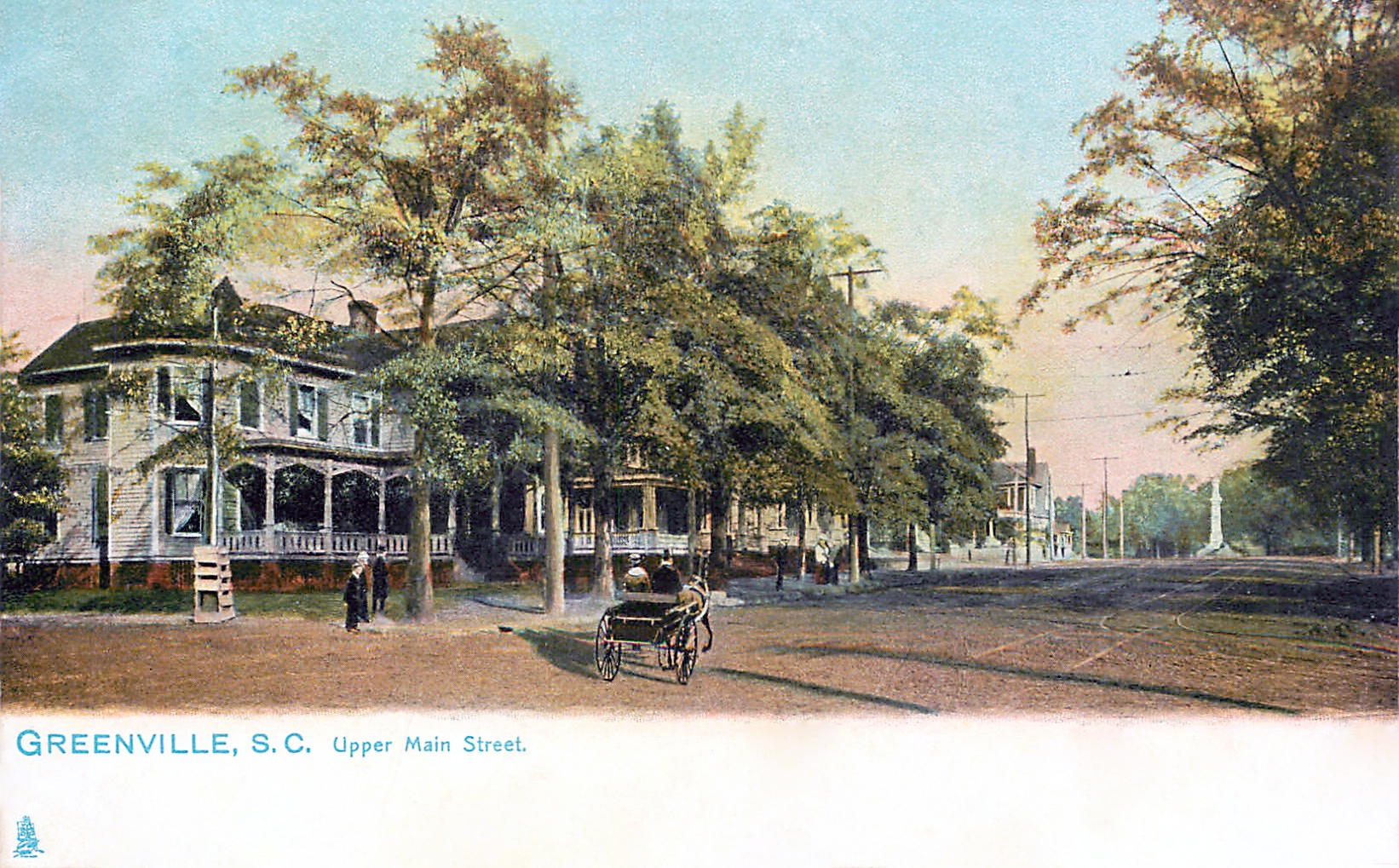
According to the Greenville Police Department, an acquaintance called 911 from Judson Mill Lofts, at 701 Easley Bridge Road, at about 1:51 p.m. on Aug. 16. Officers and emergency medical personnel responded to the location.
Police Sgt. Jonathan Bragg said medical assistance was administered after responders arrived. Panettiere was later pronounced dead at the scene.
The Greenville County Coroner’s Office said emergency medical personnel found Panettiere in cardiac arrest and attempted advanced cardiac life support measures. Those efforts were unsuccessful.
That description is significant, but it should not be confused with a final cause of death. Cardiac arrest describes the heart’s loss of effective function; it can occur in many different medical circumstances. Investigators must still determine what led to it.
No foul play found so far
Bragg said the preliminary police investigation had not indicated foul play or suspicious circumstances. Coroner Mike Ellis separately said there were no signs of trauma that would have contributed to Panettiere’s death.
Those findings narrow the public picture of the case, particularly after a large police and emergency response prompted concern among residents near the apartment complex. Apartment management told residents there was no threat to the community, according to reporting by the Greenville News.
Preliminary findings are not the same as a closed investigation. Police and coroner officials can report what they did not observe at the scene while still awaiting medical findings needed to determine both cause and manner of death.
An autopsy is not a final answer
Ellis said an autopsy was completed Aug. 17, but that the cause of death remained pending further investigation and additional studies. In death investigations, that can include toxicology testing and review of medical information, among other steps.
Officials have not publicly announced a cause or manner of death. A cause identifies the medical reason someone died, while a manner generally classifies the death as natural, accidental, suicide, homicide or undetermined.
That distinction is especially important in a high-profile case. Initial emergency-scene details can travel quickly online and get presented as conclusions when they are not. The authoritative record, at this stage, is that Panettiere was found in cardiac arrest, showed no signs of trauma contributing to her death, and remains the subject of an active investigation.
Reports of an overdose are unverified
TMZ reported that 911 dispatch audio included references to a possible overdose during the response. But neither Greenville police nor the county coroner has announced an overdose as Panettiere’s cause of death.
The coroner’s statement confirming cardiac arrest does not confirm what caused that medical emergency. Until officials release final findings, assigning a cause based on dispatch communications, anonymous accounts or social-media posts would be speculation.
That restraint is not merely a technicality. Public discussion of addiction can often flatten a person’s life into one unconfirmed explanation, particularly when the person has previously spoken openly about recovery or treatment.
Her openness shaped the reaction
Panettiere had discussed alcohol and opioid addiction, treatment and postpartum depression in past interviews and in her memoir, This Is Me: A Reckoning. Those disclosures have informed much of the reaction to her death, but they do not establish a link to the circumstances investigators are examining now.
Her career began in childhood, with early appearances including Ally McBeal and Remember the Titans. She became widely known for playing Claire Bennet on NBC’s Heroes and later Juliette Barnes on Nashville.
In a statement shared through Panettiere’s representative, her father, Skip Panettiere, called her an “incredible light and a force of nature” who brought joy to people who knew her and to audiences who watched her work.
What remains to be determined
The next substantive update will likely come from the Greenville County Coroner’s Office, the police department, or both, after outstanding studies and investigative steps are complete. Authorities have not provided a timetable for releasing a cause and manner of death.
For now, the confirmed account is limited but clear: Panettiere died at 36 after an emergency response in Greenville; police found no preliminary evidence of foul play; the coroner found no trauma contributing to her death; and the medical cause remains pending.
People seeking confidential support for substance-use concerns in the United States can contact the Substance Abuse and Mental Health Services Administration’s National Helpline at 1-800-662-HELP (4357).







Leave a Reply