
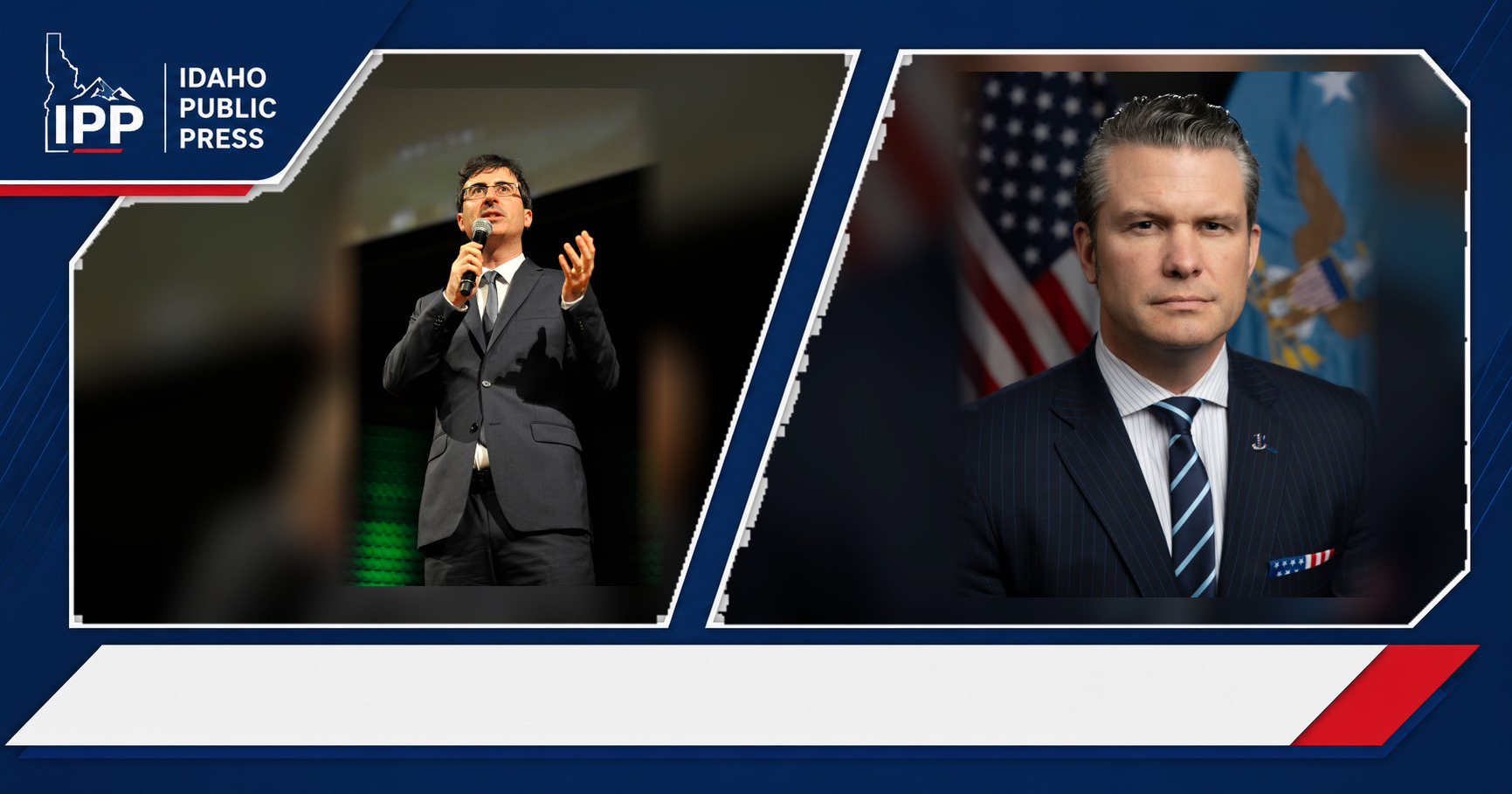
Oliver’s broadside puts renewed attention on reports of strained conditions aboard a U.S. aircraft carrier and on the Pentagon’s disputed account of what happened. The clash is about more than a late-night punchline: it raises questions about oversight, morale and military readiness.
John Oliver sharply criticized Pete Hegseth over the USS Abraham Lincoln, using his late-night platform to call the reported situation aboard the aircraft carrier an “American horror story.” Oliver’s criticism concerned accounts of food shortages, broken plumbing and mental-health strain during the USS Abraham Lincoln’s unusually long deployment, allegations Hegseth has said were “completely misrepresented.”
The dispute matters because it turns a television monologue into a wider argument over how the Pentagon handles warnings from sailors, lawmakers and the press. At issue is not simply whether conditions were difficult, but whether the Navy and Defense Department have given the public a full account of life aboard one of America’s most prominent warships.
Oliver’s target was Hegseth
Oliver’s criticism was aimed at Defense Secretary Pete Hegseth’s response to reports about the USS Abraham Lincoln, rather than at the ship’s crew. The comedian used the phrase “American horror story” to frame the allegations as a serious failure of leadership and care for service members.
That framing is deliberately sharp, but the underlying concerns had already reached Congress. CBS News reported that Democratic senators sought answers from Hegseth and acting Navy Secretary Hung Cao after accounts emerged of difficult conditions on the carrier.
The senators’ concerns, as described by CBS News, included reports of food shortages, malfunctioning plumbing and mental-health crises during a deployment that had stretched beyond 250 days. Their letter pressed the Navy to explain how it was addressing the conditions and supporting sailors.
Why the Lincoln became a flashpoint
The USS Abraham Lincoln is not a minor vessel. The Navy identifies CVN-72 as the fifth Nimitz-class nuclear-powered aircraft carrier, a class of ship built to project U.S. military power far from home.
That role can make deployments demanding even under normal circumstances. Sailors live and work in a tightly controlled environment where meals, maintenance, sleep, medical access and contact with home can all shape daily morale.
A carrier’s strategic importance also complicates the public conversation. Officials may emphasize readiness and operational security, while families, advocates and lawmakers may focus on whether the people carrying out the mission have adequate support.
Those two perspectives do not automatically conflict. A ship can be operationally important and its crew can still face problems that deserve scrutiny. The dispute over the Lincoln is centered on the scale of those reported problems and the adequacy of the response.
Hegseth disputes the portrayal
Hegseth has pushed back on the reports. During a visit to Panama, he told Newsmax that the situation aboard the USS Abraham Lincoln had been “completely misrepresented,” according to CBS News.
That response establishes a clear divide: Oliver and the senators have treated the reports as evidence of an unacceptable situation, while Hegseth has argued that the public narrative does not accurately reflect conditions aboard the ship.
What remains unclear from the publicly available material is which specific elements Hegseth believes were misstated, whether he disputes the reports outright or whether he objects mainly to their overall characterization. A detailed public accounting from the Defense Department would help define that distinction.
Deployment strain has real stakes
Long deployments are not just a political talking point. They can affect crew fatigue, maintenance schedules, morale and the ability of personnel to access routine support systems.
Claims involving food service, sanitation and mental health carry particular weight because they concern everyday life for sailors at sea. Even when a military unit remains capable of doing its assigned mission, persistent quality-of-life problems can have consequences for retention, discipline and trust in leadership.
Critics of Oliver’s approach may argue that a comedy program is not the place for the nuance of military operations. Supporters may counter that satire draws attention to issues that can otherwise remain buried beneath official language and distant from civilian audiences.
Both points can be true. Oliver is a commentator, not an investigator, but his segment can amplify questions already being raised by elected officials and journalists.
Congress is seeking clearer answers
The most consequential part of this story is likely to play out away from television. The Senate Democrats’ request for information puts pressure on Defense Department leaders to address the reported conditions, the duration of the deployment and the support available to the crew.
Congressional inquiries do not by themselves establish that every allegation is accurate. They do, however, create a formal demand for records, explanations and potentially corrective action.
The Navy has long had to balance transparency with operational requirements, especially involving carriers and strike groups. The Defense Department previously described the Lincoln’s deployment to U.S. Central Command as part of a broader adjustment of American military posture in the region, illustrating the high-stakes missions these ships can be assigned.
The argument is bigger than one monologue
Oliver’s “American horror story” line is likely to travel further than the policy details behind it. But the larger issue is straightforward: service members can be asked to sustain difficult missions, and the public has an interest in whether the institutions directing those missions are candid about the human costs.
Hegseth’s insistence that the story has been misrepresented means the debate is far from settled. The next meaningful developments would be a fuller Defense Department response, additional information from the Navy and any findings that emerge from congressional oversight.
For now, Oliver’s critique has put a highly visible spotlight on the USS Abraham Lincoln—and on the gap between reports of hardship aboard the carrier and the Pentagon’s account of the situation.








Leave a Reply