
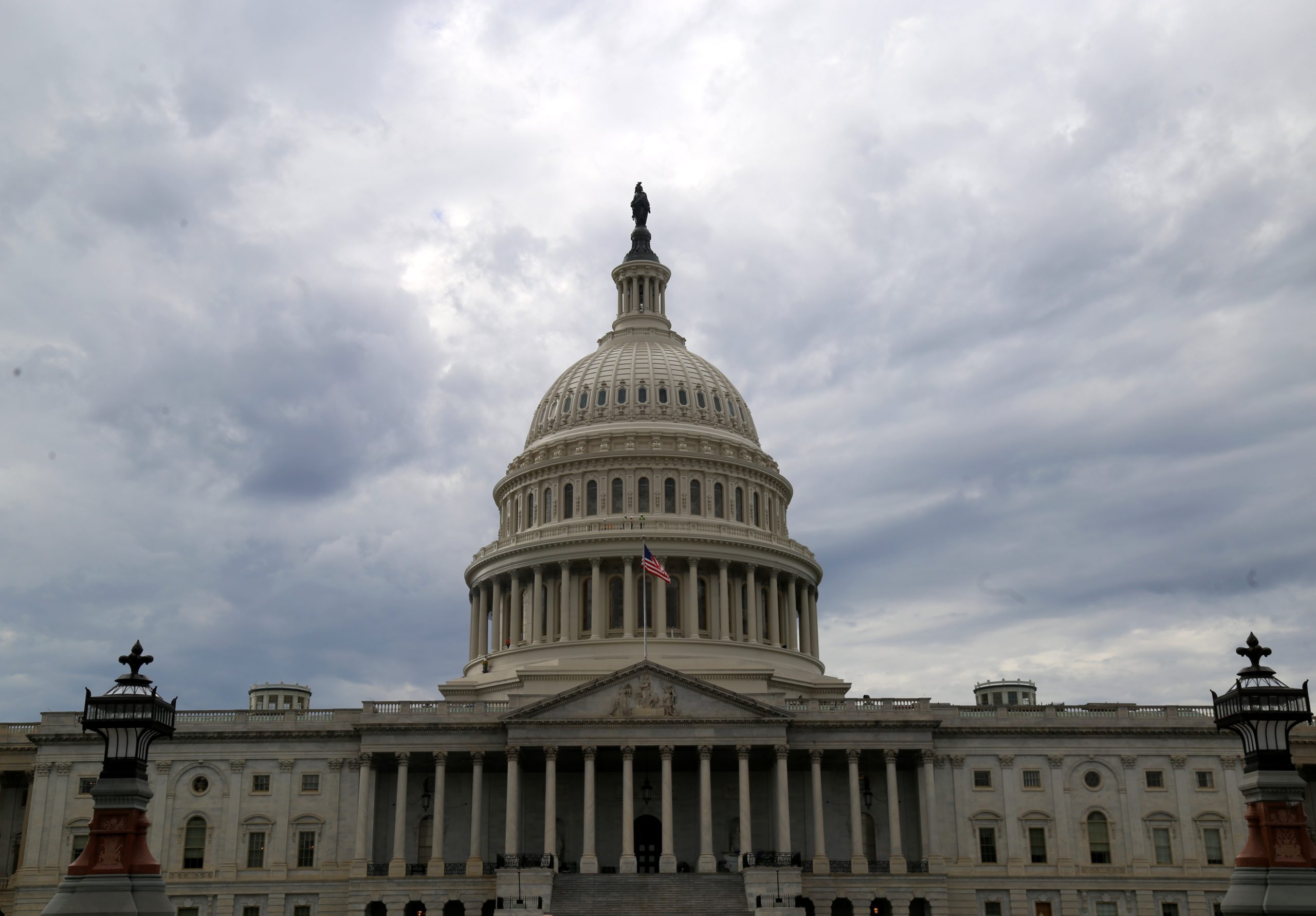
The warnings are rooted in fears about government power, personal freedom and property. But the political argument also turns on a question often lost in campaign rhetoric: what, exactly, does “socialism” mean in the American debate?
Expats warned about socialism’s potential effects on America, saying socialism could control people and could take everything away from Americans. Their concern centers on what can happen when the state gains broad power over work, property and daily life—and why people who fled or lived under socialist systems believe those experiences should matter in the U.S. political debate.
The warnings arrive as socialism has become a more visible and more contested word in American politics. Personal accounts can carry real force, but they also raise a basic issue for voters: whether a warning about an authoritarian government is being applied to specific U.S. proposals, or to the sweeping political label itself.
Why the expats’ warning resonates
People who have left countries with highly centralized economies or one-party governments often describe the consequences in personal terms: shortages, limits on opportunity, political intimidation, difficulty building wealth and uncertainty over whether private property will remain protected.
That perspective gives the phrase “government control” a meaning beyond a campaign slogan. For someone whose family lost a business, faced restrictions on speech or depended on politically connected officials for basic necessities, the fear is not abstract.
The central claim in the source item is that socialism could control people and take everything away from Americans. It is a warning about concentrated authority: if the government directs major parts of economic life, critics argue, it can also gain leverage over citizens’ choices.
Still, the available source brief does not identify the expats, the countries they left or the full details of their accounts. That means their experiences should be understood as political testimony, not as proof that every policy called socialist produces the same outcome.
One word covers very different systems
“Socialism” is used loosely in U.S. politics. Critics often use it to describe everything from public health insurance and rent regulations to nationalization of industry and authoritarian regimes. Supporters may use it to mean democratic socialism, social democracy or stronger public programs within an otherwise market-based economy.
Those distinctions matter. A country can have public pensions, government-funded health care or worker protections while retaining private businesses, private homes, elections and market competition. A government can also impose state ownership, suppress political opposition and restrict independent media. Calling both arrangements “socialism” does not make them identical.
That does not erase the concern raised by the expats. Their point is that people should examine how much power a proposal gives government, what legal checks remain in place and whether citizens can challenge officials without fear. Those are practical questions, not merely ideological ones.
Property sits at the heart of it
The phrase “take everything away” is especially charged because property is about more than a house or a savings account. It can include a family business, land, wages, the ability to pass assets to children and the independence that comes from not relying entirely on the state.
Critics of expansive government programs worry that higher taxes, tighter rules or public ownership can gradually weaken those rights. Their strongest concern is not simply paying more for services; it is whether government power becomes difficult to reverse once it expands.
Supporters of a larger public role counter that taxes and regulation are not the same as confiscation. They argue that public investment in health care, housing, education or child care can give people more security and freedom, particularly when private markets leave basic needs out of reach.
The disagreement is often over where to draw the line. Americans may support a specific benefit or regulation while rejecting the idea of government ownership of the economy. A serious debate requires separating those views rather than treating every new public program as evidence of a total system change.
America’s ideological split is real
Recent polling shows why the language has become politically potent. An Associated Press report on a Gallup survey conducted in August 2025 found that U.S. adults overall viewed capitalism more favorably than socialism, 54% to a lower level of support for socialism.
The partisan divide was stark. Gallup found that 66% of Democrats had a favorable view of socialism, compared with 14% of Republicans. Among Democrats, 42% viewed capitalism favorably, according to the survey of 1,094 U.S. adults.
Those numbers do not mean Americans agree on a single definition of either term. The AP noted that views of free enterprise remained broadly positive even as opinions of big business declined. That suggests many people may be reacting less to a full economic ideology than to worries about inequality, housing costs, health care and corporate power.
That divide explains why expat warnings gain attention. To opponents of socialism, they offer a reminder that economic promises can come with political costs. To supporters of stronger public programs, the warnings can seem like an attempt to equate democratic reform with regimes that denied civil liberties.
The safeguards are the real test
There is a meaningful difference between debating the size of government and accepting unchecked government. The key safeguards include independent courts, competitive elections, a free press, due process, enforceable property rights and the ability to organize politically against those in power.
Those protections are not automatic simply because a country holds elections or calls itself democratic. Nor does support for a public program automatically mean support for authoritarianism. The practical issue is whether a policy can be debated, revised or repealed through accountable institutions.
The expats’ warning therefore deserves to be heard as a caution about power, particularly when governments claim authority over private life and property. It should also be tested against the actual policies being discussed rather than used as a shortcut that ends the conversation before it starts.
What remains unresolved in the debate
The U.S. argument over socialism is unlikely to settle soon. Democratic politicians face pressure from voters who want stronger action on affordability and inequality, while opponents will continue to argue that even well-intended expansions of state power carry long-term risks.
For readers trying to assess the competing claims, the most useful questions are concrete: Does a proposal preserve private ownership? Who makes the decisions? What limits exist on government authority? Can courts, voters and a free press hold officials accountable?
Expats who have lived under repressive systems bring an important warning to that discussion: rights can be lost gradually, and economic dependence can become political dependence. The other essential point is precision. America’s debate is better served when participants name the policy at issue, acknowledge the tradeoffs and distinguish social supports from a system that places citizens’ lives and property beyond their control.





Leave a Reply