
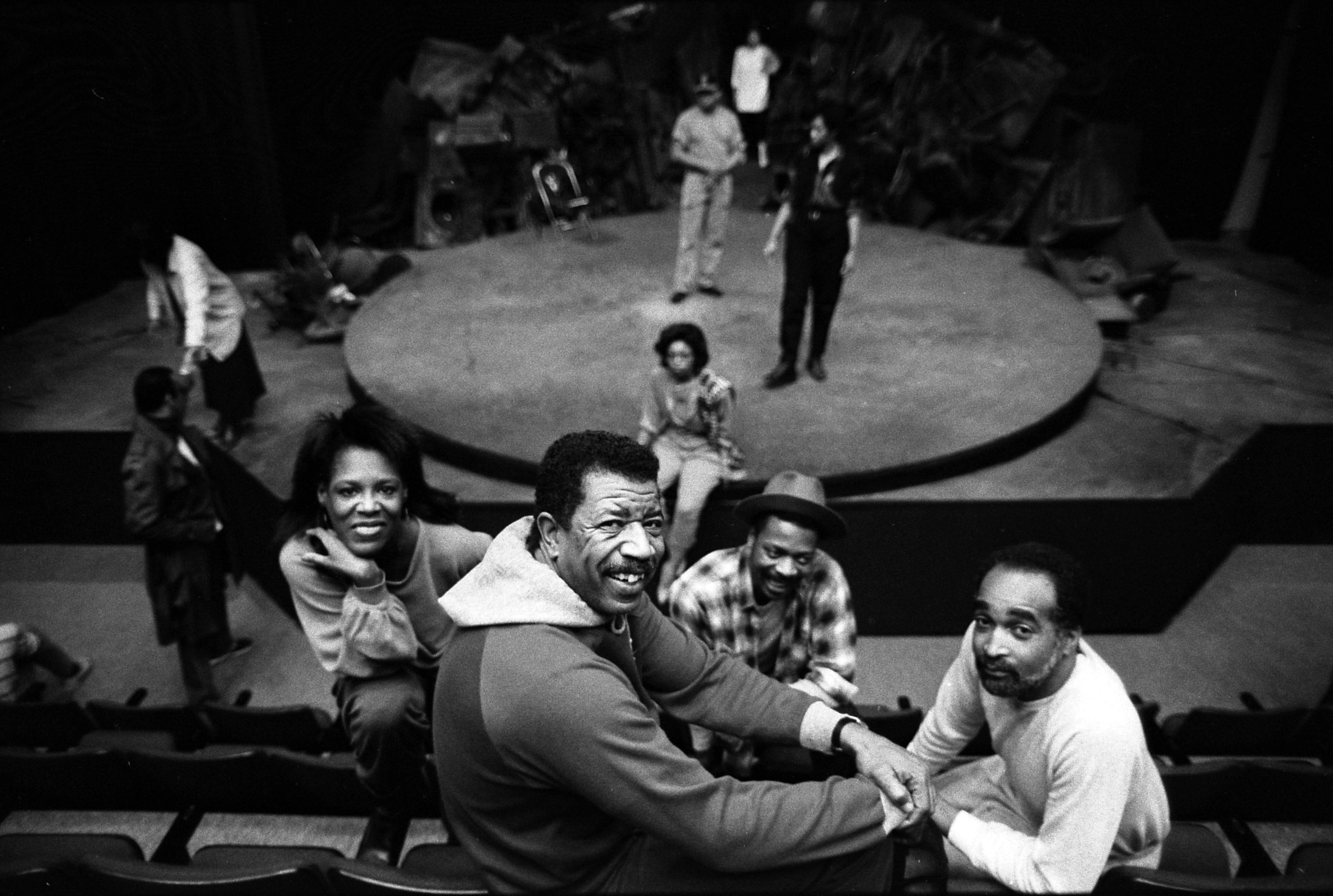
Williams was more than a familiar sitcom face. His roles helped define a warmer, steadier image of Black family life on television.
Hal Williams died at 91 on July 15 at his home in Rancho Mirage, California, and the news was reported widely on July 16, 2026. The veteran television actor was best known for Sanford and Son, where he played Officer “Smitty” Smith, and he also starred in 227 as Lester Jenkins.
His death matters because Williams belonged to a class of actors who made television feel lived-in. He was not always the loudest presence on screen, but across decades of sitcoms, dramas and films, he became the kind of performer viewers trusted immediately.
A familiar face, not a flashy one
Williams’ career is a reminder that TV history is not built only by stars whose names sit above the title. It is also built by actors who walk into a scene and make the world around them feel real.
On Sanford and Son, Williams played Officer “Smitty” Smith in a recurring role that put him inside one of the defining sitcoms of the 1970s. The series, adapted by Norman Lear from the British sitcom Steptoe and Son, aired from 1972 to 1977 and helped shape the era’s rougher, more socially aware comedy.
Williams’ Smitty was not the center of the show, but he was part of its rhythm. He could land a joke without pushing too hard, and he carried the credibility of someone who had lived a few lives before Hollywood found him.
That quality followed him for the rest of his career. He often played men with jobs, families, habits and limits — people recognizable enough to make a sitcom apartment or police station feel less like a set.
He came to acting late
Williams did not begin as a child actor or a show-business prodigy. Before his acting career took hold, he worked as a postal worker and a corrections officer, according to published accounts of his life and career.
He moved to Los Angeles in 1968 and started acting in his 30s, an age when many performers already fear they have missed their window. Williams’ path was slower, more practical and probably more honest than the myth Hollywood prefers to sell.
Even after landing work on Sanford and Son, he reportedly kept an overnight post office shift because he did not feel financially secure enough to give it up. That detail says as much about the acting profession as it does about Williams: visibility does not always equal stability.
In a 2022 interview quoted after his death, Williams said he used to tell young people that “overnight sensations usually take 25 years.” It was not a bitter line. It sounded more like hard-earned career math.
227 gave him a warmer legacy
If Sanford and Son made Williams recognizable to one generation, 227 gave him another signature role. From 1985 to 1990, he played Lester Jenkins, the husband of Marla Gibbs’ Mary Jenkins, on the NBC sitcom set in a Washington, D.C., apartment building.
The show also featured Regina King, Jackée Harry and Alaina Reed Hall, and it became an important entry in the lineage of Black sitcoms that centered home, neighborhood and community rather than treating them as side stories.
Lester was not written as a punchline machine. He was a husband, a father figure and a working man who could be funny without being foolish. That mattered in a television landscape where Black men had too often been flattened into stereotypes, threats or comic relief.
After Williams’ death, Harry paid tribute on Instagram, calling him a gentleman and praising the way he believed Black fathers on TV should be loving, present and compassionate. Her remembrance captured why Lester Jenkins still resonates: Williams made steadiness watchable.
His resume stretched everywhere
Williams’ career was broader than the two shows most likely to appear in headlines. His film credits included Hardcore, Herbie Rides Again, Private Benjamin, The Rookie and Guess Who. He also reprised his Private Benjamin role in the television adaptation of the hit film.
On television, he appeared in a long list of series that crossed genres and decades, including The Waltons, The Dukes of Hazzard, Knots Landing, Hill Street Blues, The Sinbad Show, Moesha and the Kathy Bates-led remake of Matlock.
That range speaks to a different kind of success than celebrity culture usually rewards. Williams was not defined by a single breakout moment. He stayed employable, adaptable and present through major shifts in television taste.
For viewers, that often meant surprise recognition: the feeling of seeing him enter a scene and thinking, “I know him.” In television, that kind of familiarity is its own currency.
The doors he helped open
Williams also lived long enough to see the industry change around him. In a 2022 interview, he reflected on the growth of Black-owned companies and the rise of more Black producers, writers and directors, saying, “We opened the doors.”
That statement was not just nostalgia. Actors like Williams worked through eras when opportunities for Black performers were narrower, roles were more constrained and creative control was rarely in Black hands.
His best-known characters did not solve those problems by themselves. But they added to a larger shift: Black families, Black workers and Black neighborhoods being shown with humor, flaws, affection and routine complexity.
There is room for debate about how far network sitcoms of the 1970s and 1980s could really go. Some were progressive for their moment and limited by it at the same time. Williams’ legacy sits inside that tension. He helped make space, even when the space itself was imperfect.
What remains after the tributes
Reports said Williams died of natural causes at his home in Rancho Mirage. As of the initial wave of coverage, fuller details about memorial plans and family statements were not widely available.
What is clear is the shape of the career he leaves behind. He was a working actor who became part of the furniture of American television in the best sense: reliable, recognizable and essential to the rooms he inhabited.
In an industry that often measures importance by billing, Williams offered another model. He made scenes better. He made TV fathers warmer. He made supporting roles feel like real lives continuing off camera.
That may be why his death has drawn attention beyond a standard celebrity obituary. For many viewers, Hal Williams was not just someone they watched. He was someone who made television feel like home.



Leave a Reply