
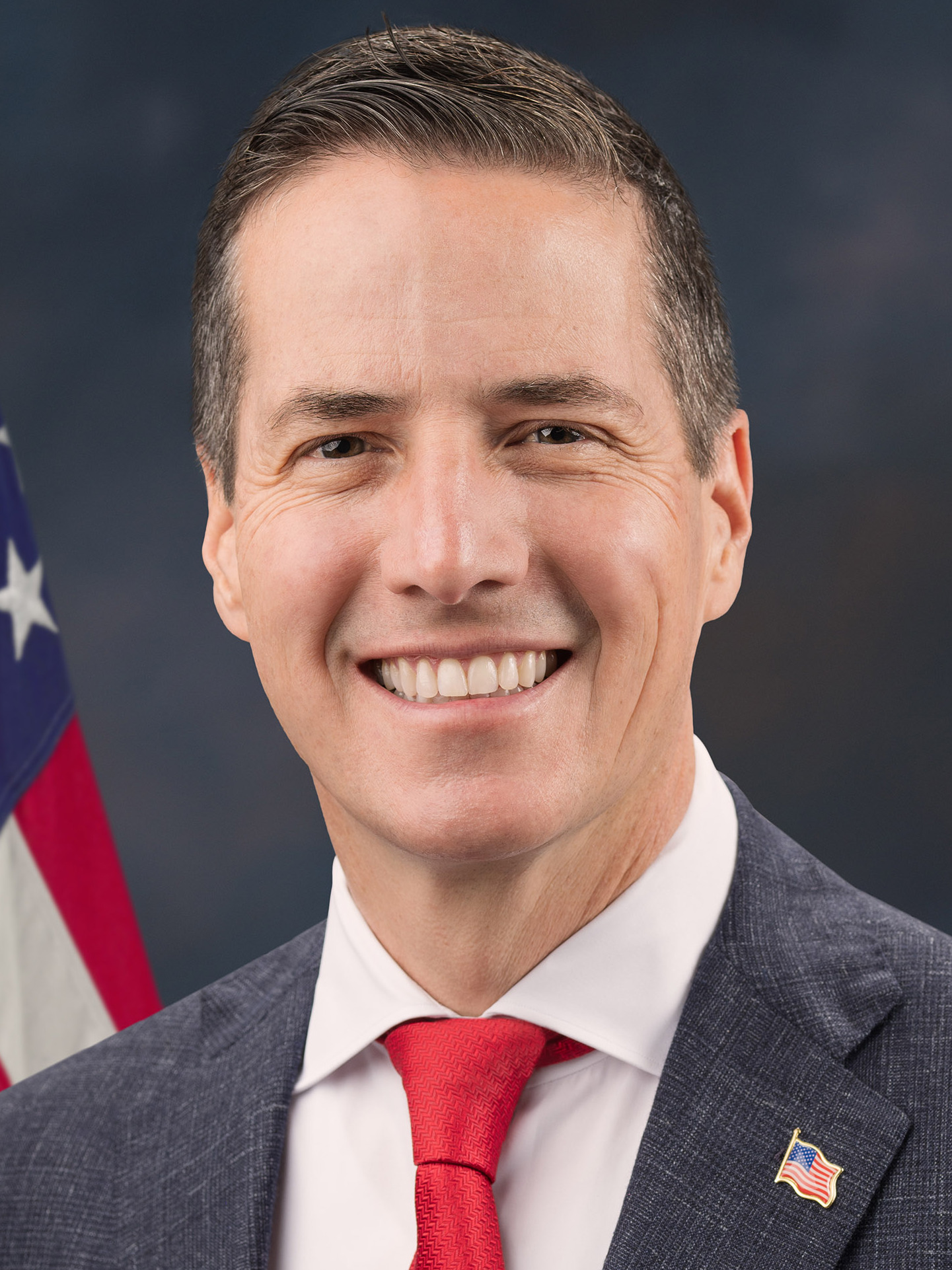
The Ohio Republican is turning hazardous smoke into a cross-border accountability fight. The harder question is whether sanctions can solve a problem scientists say is being intensified by a warming climate.
Sen. Bernie Moreno introduces a fight with Ottawa just as smoke is crossing the border: Bernie Moreno is introducing a bill to sanction Canada next week because wildfire smoke is affecting Ohio and the Great Lakes region, with Midwest air quality deteriorating. Moreno is blaming Canada and Canadian government officials for failed prevention; scientists say climate change is the real culprit behind the worsening smoke risk, not Canada alone.
The bill would target Canada and Canadian officials through sanctions, visa consequences and a rebuke of Canada’s ambassador, according to reporting from WTVG and bill details released by Moreno’s office. The proposal lands as Ohio residents are dealing with dangerous air and a familiar summer question: who is responsible when smoke from faraway fires turns local skies unhealthy?
Moreno targets Canada directly
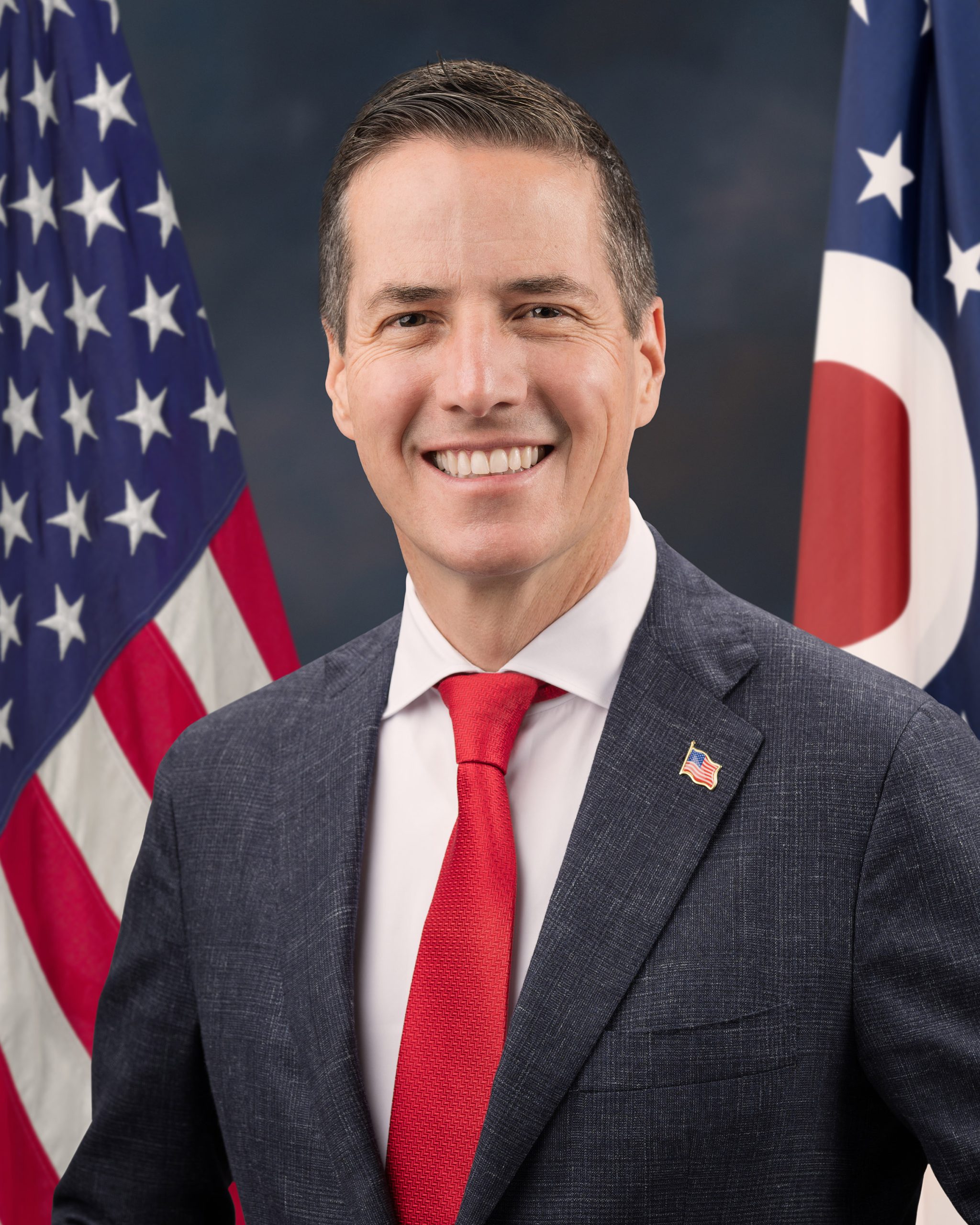
Moreno, an Ohio Republican, said Thursday on X that he would introduce legislation next week to sanction Canada and “responsible Canadian government officials” over wildfire smoke drifting into the United States.
His office accused Canada’s government of failing to invest adequately in wildfire prevention, including forest thinning, fuel reduction, prescribed burns and tougher enforcement against arson. That framing turns the smoke into a diplomatic and policy failure, not just a weather-driven emergency.
WTVG reported that Moreno’s office released bill text Friday. The measure would require the president to determine whether Canadian wildfires harmed U.S. air quality, sanction Canadian officials deemed responsible, block assets, impose restrictions and revoke visas for sanctioned people.
It also expresses a sense of Congress that Canada’s ambassador should be considered “persona non grata” until wildfire smoke no longer affects the United States. That provision is symbolic, but it signals how sharply Moreno wants to frame the dispute.
What the bill would punish
The legislation, as described in local reporting, is aimed less at fighting fires directly than at creating consequences for Canadian officials. Moreno has also called for studying a victims compensation fund tied to additional tariffs.
His argument is straightforward: if smoke from Canadian fires is harming Americans, then Canada should face pressure to prevent the conditions that allow those fires to spread. In a statement cited by WTVG, Moreno said Ohio’s skies were seeing severe pollution and that Ohioans were being subjected to hazardous conditions.
The political appeal is obvious. Smoke is visible, irritating and frightening. It can shut down outdoor life, raise health warnings and make people feel powerless. A sanctions bill gives that frustration a target.
The policy challenge is just as obvious. Wildfire smoke does not respect borders, and fire behavior is shaped by forest management, drought, heat, wind, lightning, development patterns and emergency capacity. Punishing officials after smoke arrives may be easier to sell than proving which decisions caused which plume.
Ohio’s air turned hazardous
The smoke episode has not been abstract for Ohio or the broader Midwest. WTVG reported that Toledo’s air quality climbed above 600 Thursday, reaching what the station described as new historic levels for the city. The Ohio EPA issued a statewide air quality advisory.
Numbers that high are alarming because air-quality indexes are meant to help people understand immediate health risk. When smoke pushes fine particles into the air, people with asthma, heart or lung disease, older adults, children and outdoor workers can face elevated danger.
Even healthy adults can feel the effects: burning eyes, coughing, throat irritation, headaches and shortness of breath. The worst smoke days also disrupt schools, sports, construction work and summer events.
That is why the politics around wildfire smoke can escalate quickly. People do not experience it as a remote climate debate. They experience it as the smell outside the door, the haze over the highway and the phone alert telling them to stay indoors.
The science points wider
Moreno’s bill places blame on Canadian governance. Scientists, by contrast, have repeatedly warned that climate change is making wildfire conditions more dangerous in many northern forests by increasing heat, drying vegetation and extending the conditions in which fires can grow.
That does not mean forest management is irrelevant. Prescribed burns, fuel reduction and emergency planning can reduce some risks when done well. But climate scientists generally argue those tools are being deployed in a world where hotter and drier conditions are loading the dice toward more intense fire seasons.
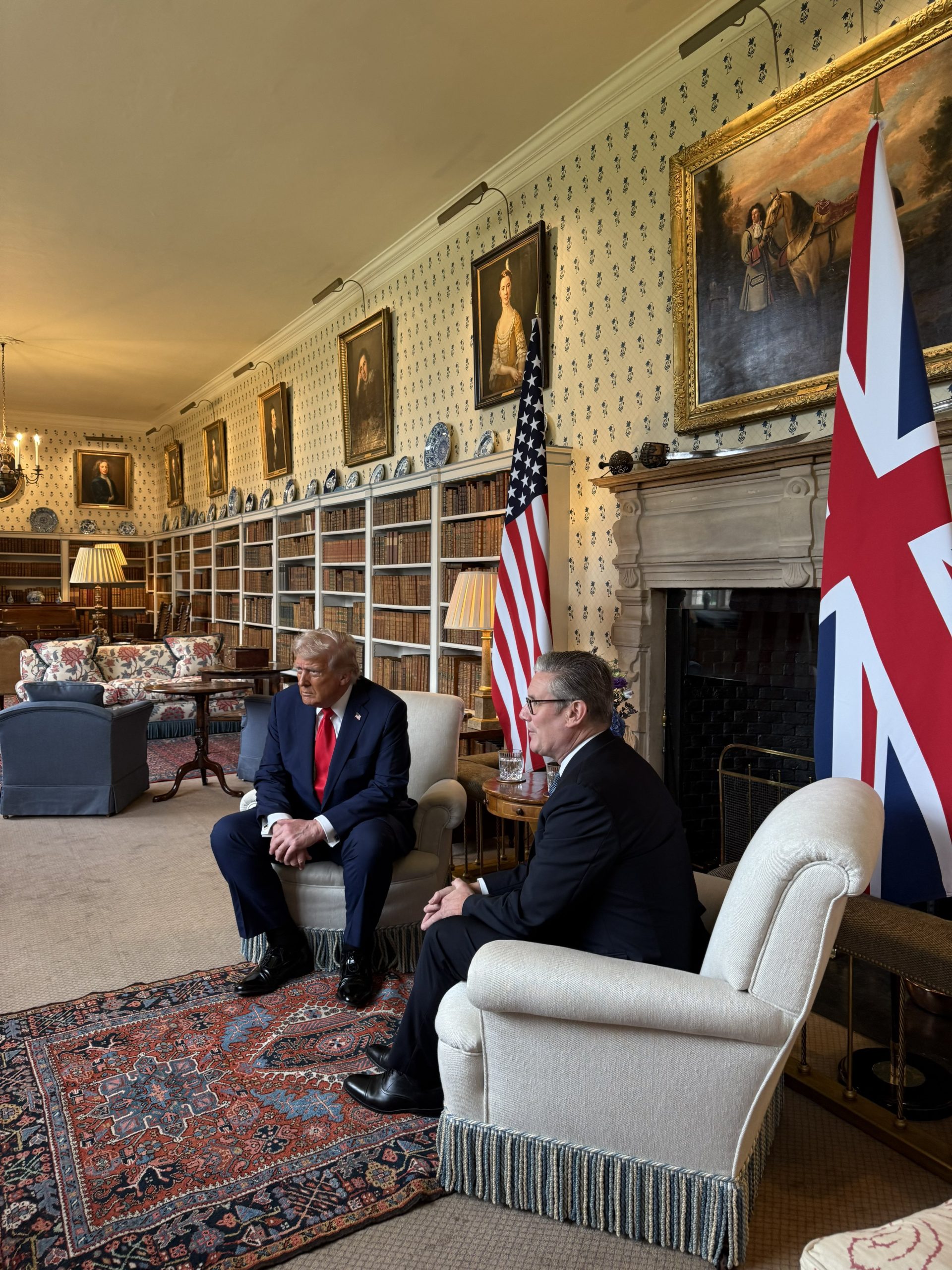
Canadian Prime Minister Mark Carney did not directly respond to the anger from U.S. lawmakers in the WTVG account, which cited CBC News. But he did point toward climate responsibility, saying climate change is “everyone’s responsibility,” including the United States.
That answer gets at the central tension. Moreno’s proposal treats smoke as a failure by Canada. The scientific view treats worsening smoke as part of a larger climate-driven pattern, with responsibility spread across governments, industries and decades of emissions.
Republicans broaden the pressure
Moreno is not alone in directing frustration north. WTVG reported that Michigan Republicans sent a letter accusing Canada’s government of mismanaging forest maintenance and offering “excuses instead of results.”
Their message suggests a broader Great Lakes political strategy: use U.S. pressure to push Canada for more aggressive wildfire prevention. That could include calls for more fuel treatment, faster firefighting coordination and clearer cross-border smoke response plans.
Supporters of that approach may argue that Americans should not have to simply endure bad air while another country manages forests. They may also argue that diplomatic friction is justified if it forces prevention to move faster.
Critics will likely see the sanctions idea as performative, especially if it targets officials without reducing smoke exposure. They may argue the United States cannot credibly treat climate-fueled wildfire smoke as a foreign-policy offense while avoiding its own role in emissions and land management.
What remains unresolved
The biggest unanswered question is whether Moreno’s bill has a path through Congress. Sanctioning a close U.S. ally over wildfire smoke would be an unusually aggressive step, and it could face resistance from lawmakers who see Canada as a partner on trade, security and emergency response.
There is also the question of evidence. The bill would require a presidential determination that Canadian wildfires harmed U.S. air quality. That part may be easier to establish during major smoke events. Harder is identifying which officials were “responsible” in a way that would justify sanctions.
For Ohioans, the more immediate issue is protection. Air advisories, filtration, masks, school policies and workplace rules matter on bad smoke days regardless of what Congress does. The politics may focus on blame, but the health burden is local and immediate.
Moreno’s bill may never become law. But it captures a new reality for the Midwest: wildfire smoke is no longer just a western or Canadian problem. It is now a recurring air-quality threat, a climate argument and, increasingly, a political weapon.

Leave a Reply