
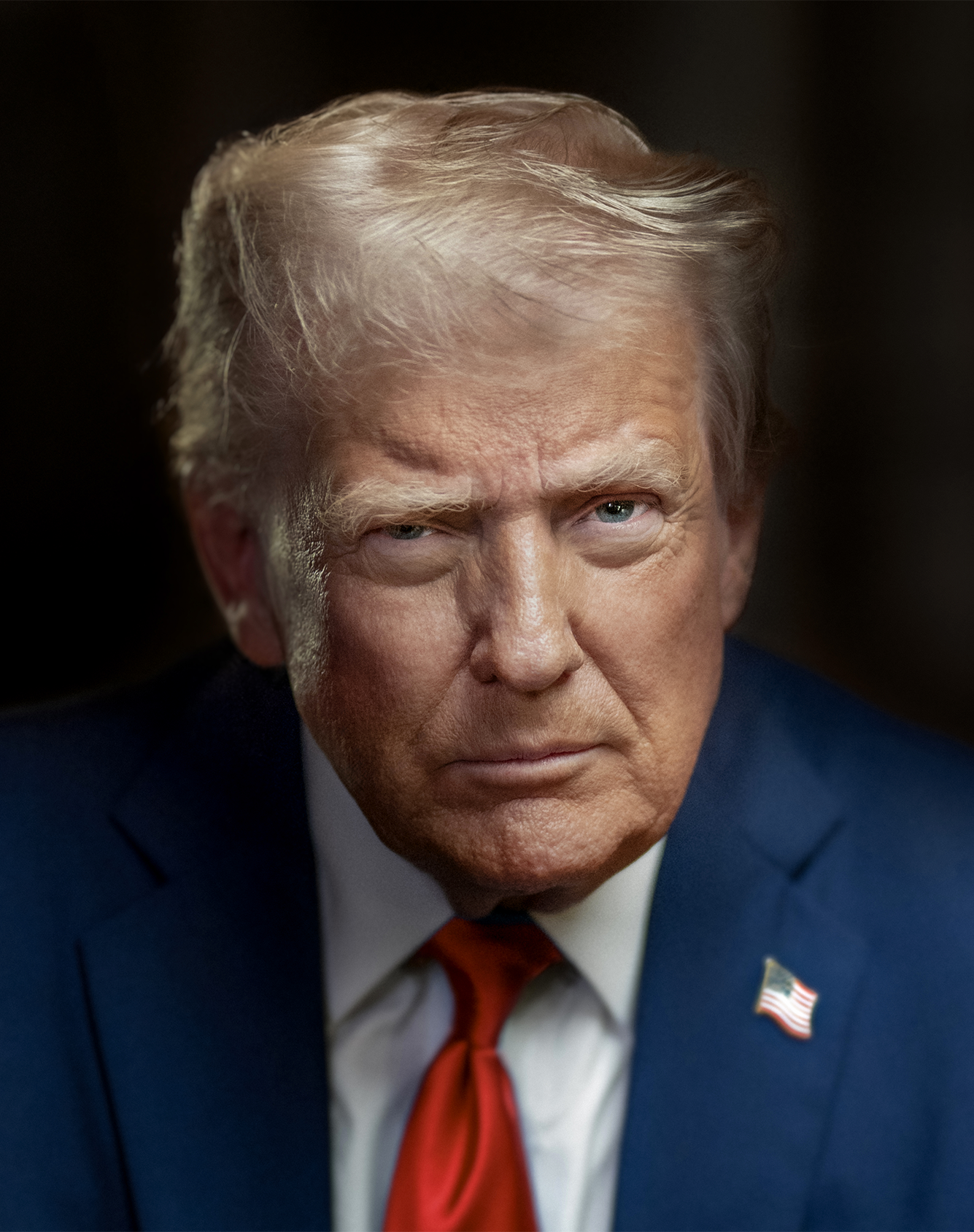
The split-screen moment shows how Trump is treating a serious China allegation differently from his own fight with US intelligence officials. It also exposes the fragile bargain behind the latest US-China thaw.
Donald Trump alleged that China took US election data, but Xi Jinping is still planning a lavish state visit to the United States, according to reporting on the White House’s current plans. The contrast matters because Trump’s claim, if treated as a confirmed hostile act by the Chinese government, could affect US-China relations at a volatile moment.
Instead, the public posture so far is split: sharp accusations about China and US intelligence officials on one side, continued diplomacy with Xi on the other. That leaves a central question hanging over Washington and Beijing: is this a turning point, or another Trump-era grievance that stops short of policy rupture?
The visit is the signal
The most revealing part of the episode may be what did not happen after Trump’s remarks. A claim that a foreign power carried out a historic compromise of American election data would ordinarily trigger demands for evidence, retaliation, sanctions or a diplomatic freeze.
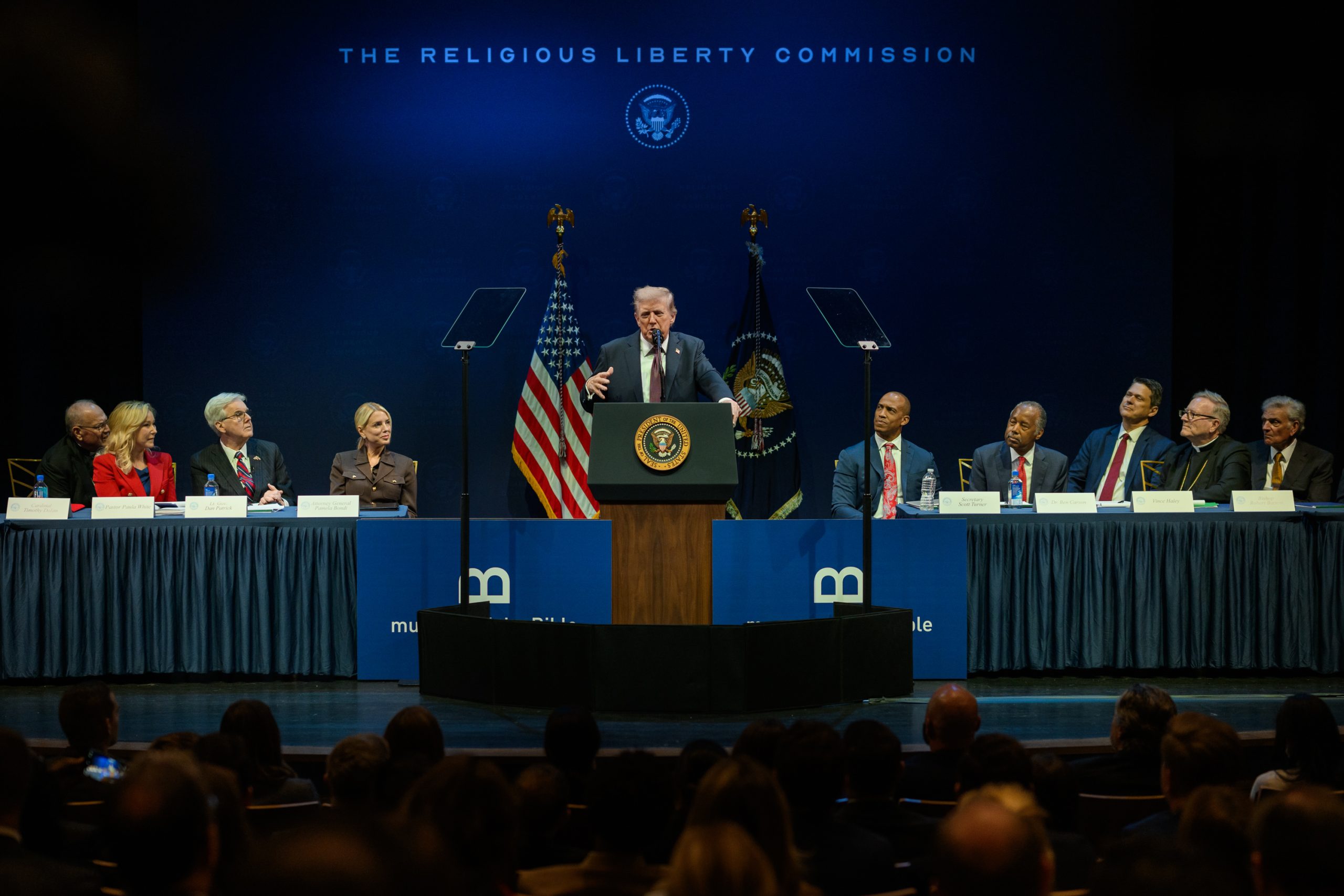
That is not where the White House appears to be heading. CNN reported, citing a White House official, that planning for Xi’s state visit to Washington in roughly two months is continuing. The official did not provide an answer when asked whether Trump planned repercussions for China over the alleged data breach.
State visits are not routine drop-ins. They are choreographed expressions of respect, usually involving ceremonial honors, leader-level meetings and a public display that both governments want the relationship managed, not blown up.
That is why the optics are so striking. Trump is accusing China of conduct he described in sweeping terms, while still preserving one of the highest-profile diplomatic gestures available to a president.
A serious claim, thin evidence
Trump’s allegation centered on the 2020 election, which he lost to Joe Biden. Speaking from the East Room, he claimed the People’s Republic of China carried out what he called the largest compromise of election data in history and wanted him to lose because of his tariffs, military buildup and posture toward Beijing.
The charge is politically explosive, but the available record described in the reporting is more limited. The material released by the administration was said to lack evidence of major election fraud or efforts to change votes. The claim also appeared tied to a minority view of intelligence, not a settled public conclusion across the US government.
That distinction matters. Election data can mean many things, from voter registration information to campaign-related material to government systems probed by foreign cyber actors. It is not the same as proof that ballots were altered or the outcome was changed.
US officials have long warned that Chinese cyber operations target American government, business and infrastructure secrets. But moving from broad cyber-espionage concerns to a claim of election-data theft requires evidence the public has not yet seen in full.
Beijing rejects the accusation
China’s response was immediate and predictable. Foreign ministry spokesperson Lin Jian said the allegations had no factual basis and repeated Beijing’s standard line that China does not interfere in other countries’ internal affairs.
According to the reported remarks, Lin said China has no interest in interfering in US elections and urged Washington to stop what he described as vilification of China. He also warned that the claims could damage China-US relations.
Beijing’s denial does not settle the underlying intelligence question. Governments accused of espionage rarely admit it, and the United States has repeatedly accused China-linked actors of sophisticated hacking campaigns.
But diplomacy often turns less on who is morally persuasive and more on what each side chooses to escalate. For now, China is protesting the allegation, while Washington is not publicly matching Trump’s words with a punitive China policy.
Trump targets officials at home
The harder edge of Trump’s response was aimed not at Beijing, but at American intelligence officials he accused of withholding information from him during his first term.
He directed multiple federal agencies to investigate and called for officials involved in any alleged cover-up to be fired and potentially charged if appropriate. That move shifts the center of gravity from China’s conduct to the domestic institutions Trump has often accused of undermining him.
The asymmetry is notable. Toward China, Trump appears to be maintaining room for Xi’s visit and a broader diplomatic reset. Toward US officials, he is demanding internal accountability and possible criminal consequences.
That pattern fits a familiar Trump political theme: the 2020 election remains a live grievance, and intelligence disputes are framed not only as national-security questions but as personal and political ones.
Why Xi still has leverage
There are practical reasons Trump may not want to derail talks with Xi. US-China relations have been strained by tariffs, technology restrictions, military tensions and competing global alliances. Even presidents who campaign aggressively on China often find that governing requires keeping channels open.
Recent diplomacy has included leader-level outreach, and Xi hosted Trump in Beijing earlier in the year with significant ceremony. Trump has also praised Xi at points and has shown interest in major international events that could involve China, including future summits and sports diplomacy.
That does not mean the allegation is irrelevant. It means Trump may be trying to separate his election-data claim from the transactional diplomacy he wants with Beijing.
For Xi, the planned visit offers its own advantage. A formal welcome in Washington would project stability and status at a time when both countries are trying to shape the global narrative around power, trade and security.
The unanswered pressure points
The immediate question is whether the administration will release more evidence supporting Trump’s claim. Without clearer public proof, the accusation may remain politically potent but diplomatically containable.
Another question is whether Congress, intelligence agencies or election-security officials will be asked to weigh in publicly. A claim about foreign access to election data is not only a presidential talking point; it touches public trust in election systems and the credibility of US intelligence assessments.
The planned state visit is now the clearest test. If it proceeds with full ceremony, the message will be that Trump’s China policy is still governed by negotiation and personal diplomacy, even after an accusation that sounds severe enough to rupture ties.
If the visit is downgraded, delayed or paired with new sanctions, the allegation will look less like a political broadside and more like the start of a harder turn. For now, the red carpet remains in place — and that may say more than the accusation itself.



Leave a Reply