
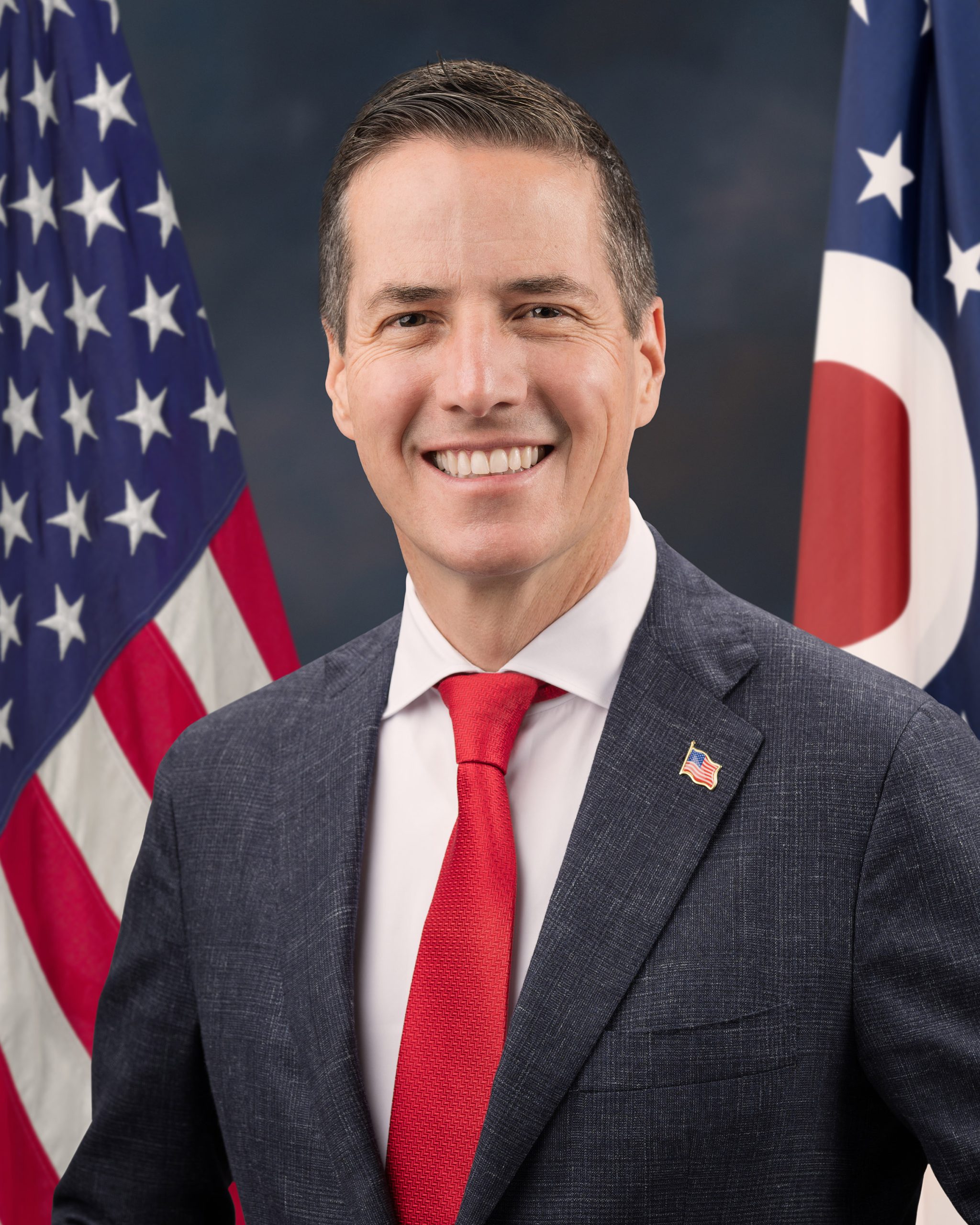
The Ohio Republican is turning a familiar summer air-quality crisis into a cross-border political fight. His proposal raises a bigger question: how far should the U.S. go when smoke from an ally’s wildfires drifts south?
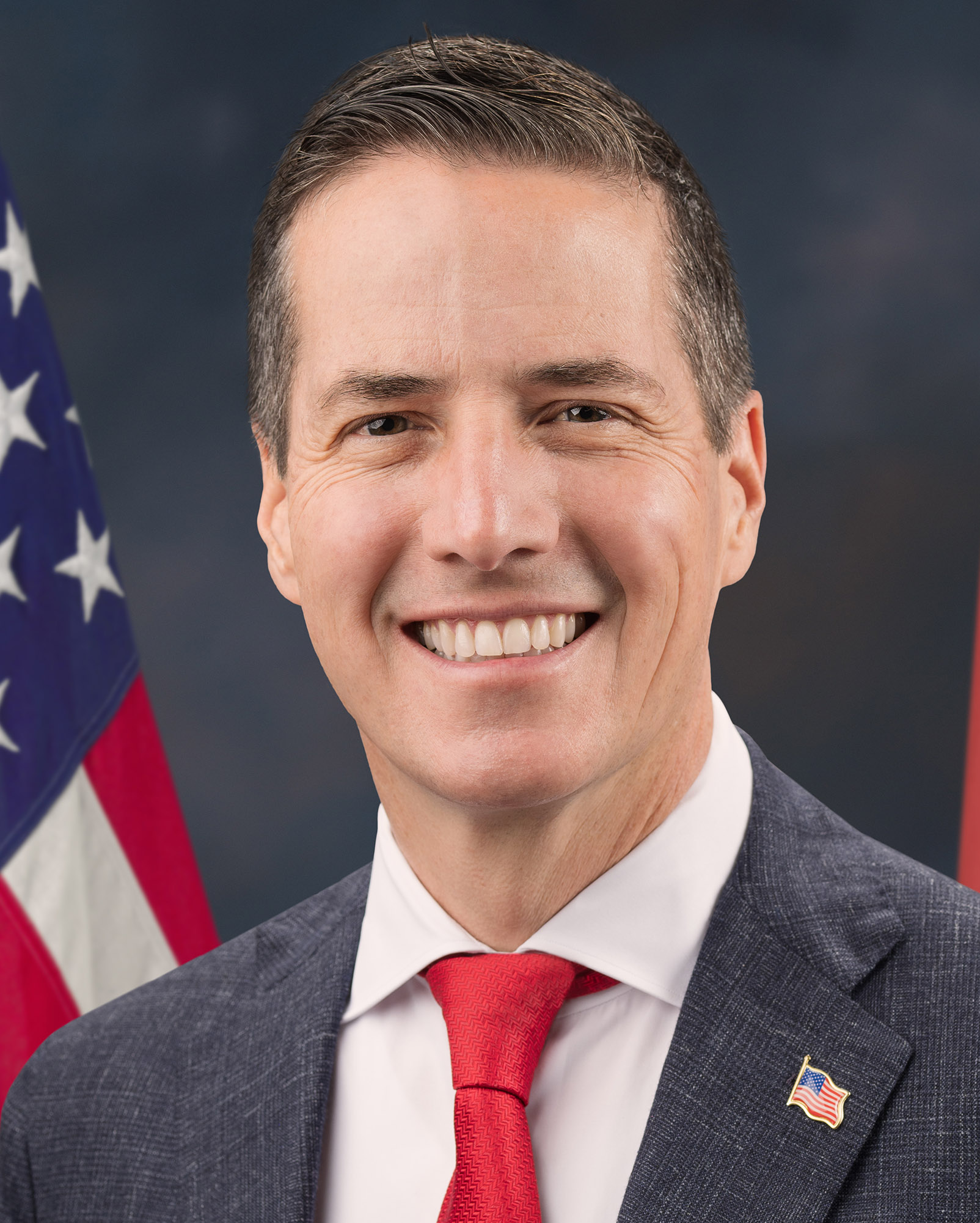
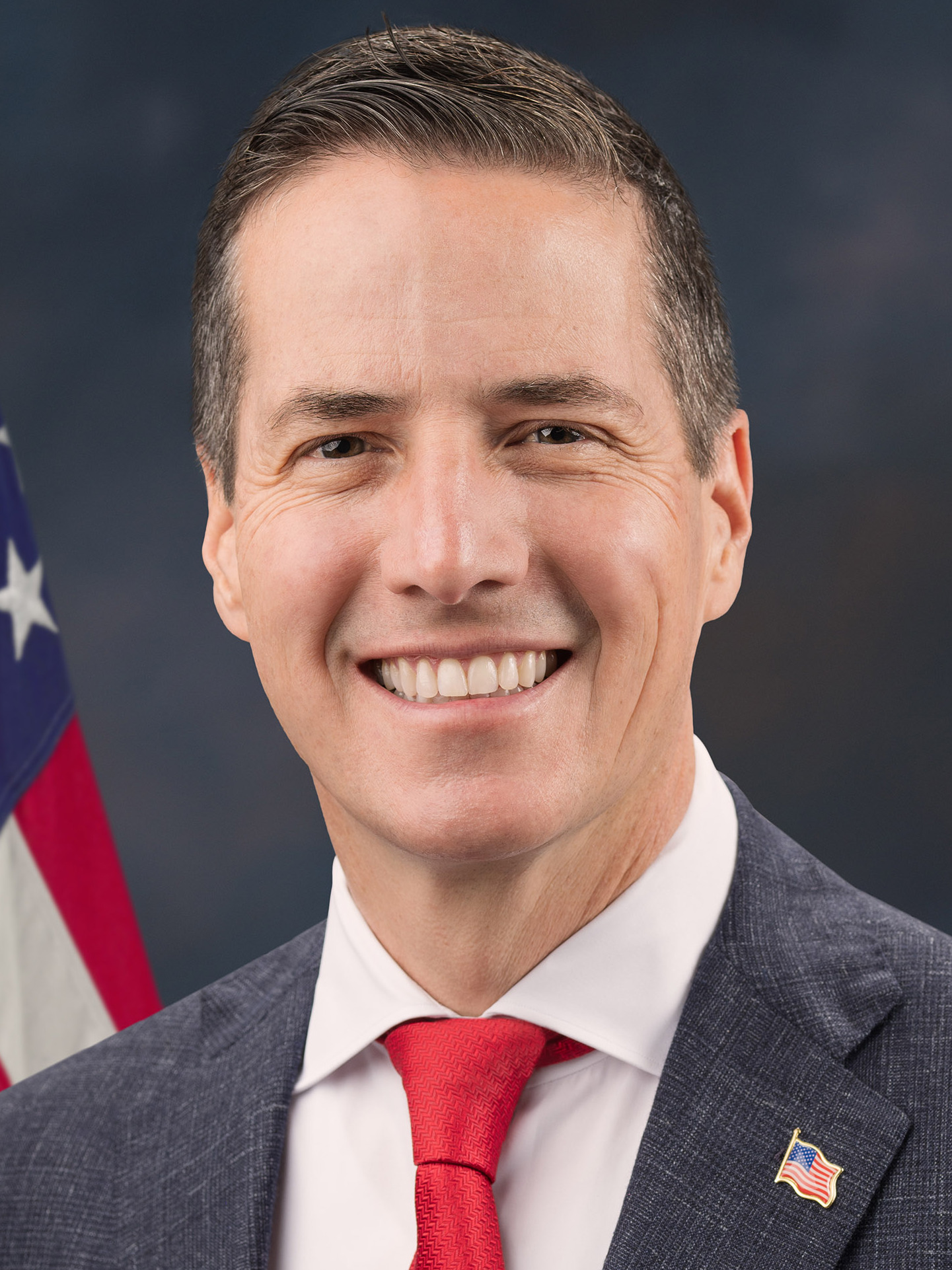
Sen. Bernie Moreno will introduce a bill to sanction Canada over wildfire smoke after smoke from Canadian wildfires affected U.S. air quality across Ohio, the Great Lakes region and other parts of the United States. The Ohio Republican says Canadian officials are the target of the proposed sanctions because, in his view, Canada has not done enough to contain the fires.
Moreno announced Thursday that he plans to introduce the legislation next week, according to his Senate office and The Hill. The move turns a recurring summer public-health problem into a diplomatic fight with one of America’s closest allies.
A sanctions threat over smoke
Moreno’s Senate office said the proposal would sanction Canada and Canadian officials for what it described as a failure to contain wildfires that have sent smoke into Ohio and across the Great Lakes. His office pointed to wildfire prevention steps it says Canada should have pursued more aggressively, including forest thinning, fuel reduction, prescribed burns and stronger enforcement against arson.
In a social media post cited by The Hill, Moreno said he would introduce a bill next week to sanction Canada and the responsible Canadian government officials. He also reposted an image showing a hazy, deserted-looking Cleveland street as smoke reduced visibility.
The legislation has not yet been debated, and the publicly available description leaves major details unanswered. It is not clear which officials would be targeted, what type of sanctions would be proposed, or how the bill would define responsibility for smoke that crosses an international border.
That uncertainty matters. Sanctions are usually used to punish adversaries, human-rights abuses, corruption, security threats or violations of international norms. Using them against Canada over wildfire smoke would be an unusually confrontational step against a close trading partner and military ally.
Why Ohio is in the fight
Ohio has become part of the story because Canadian wildfire smoke does not stay neatly north of the border. When winds push smoke south and east, cities around the Great Lakes can see hazy skies, poor visibility and dangerous air-quality readings.
The Hill reported that Chicago, Cleveland, Detroit and Minneapolis registered dangerous air quality on Thursday, while smoke and haze reached as far as New York, affecting the Manhattan skyline. Moreno’s office specifically cited Ohio and the Great Lakes region as places affected by the smoke.
For residents, this is not an abstract foreign-policy dispute. Wildfire smoke can carry fine particle pollution that irritates lungs, worsens asthma and heart conditions, and can make outdoor work, youth sports and commuting feel hazardous. Air-quality alerts have become a familiar summer disruption in parts of the Midwest and Northeast.
That gives Moreno an obvious political opening. A senator from Ohio can argue that Canadian land-management decisions are producing costs for American families, schools, businesses and local governments. The harder question is whether sanctions would solve any of that.
The case Moreno is making
Moreno’s argument rests on accountability. His office says Canada failed to invest enough in prevention measures that could reduce the severity or spread of wildfires. In that framing, smoke drifting into the United States is not only a weather event; it is the result of policy choices.
Other Republicans have moved in a similar direction. The Hill reported that four House Republicans from Michigan — Reps. John James, Jack Bergman, John Moolenaar and Lisa McClain — wrote to Canadian Prime Minister Mark Carney criticizing Canada’s handling of the wildfire crisis. Their letter warned that the United States may look for ways to protect its own people if Canada does not act more forcefully.
That language reflects a shift in how some lawmakers are talking about smoke. Instead of treating it as a seasonal nuisance or natural disaster, they are framing it as a cross-border failure that demands pressure from Washington.
There is also a political message inside the policy proposal. Moreno, a Republican and ally of President Donald Trump, is taking a hard-line stance that fits a broader mood among some conservatives: allies should not get a pass when American communities absorb the consequences of another country’s decisions.
Canada is not a simple target
The counterargument is that wildfires are not easy to assign to one government or one set of officials. Canada’s forests stretch across an enormous area, and fire management involves federal, provincial, territorial, local and Indigenous authorities. Weather, drought, lightning, fuel conditions, firefighting capacity and human activity can all play a role.
Some prevention tools Moreno’s office cited, such as prescribed burns and fuel reduction, are widely discussed in fire management. But they are not quick fixes, and they can be limited by terrain, weather windows, public safety concerns, budgets and competing land-use priorities.
Sanctions also may not map cleanly onto the problem. Punishing Canadian officials could send a political signal, but it would not immediately change wind patterns, suppress active fires or guarantee faster forest-management reforms. If the goal is cleaner air in Ohio next week, sanctions are a blunt instrument.
That does not mean the frustration is imaginary. Americans breathing smoke from fires hundreds of miles away have little control over the source. The policy challenge is deciding whether cross-border pressure should look like punishment, cooperation or some mix of both.
An ally becomes the pressure point
The Canada angle is what makes Moreno’s proposal stand out. The United States and Canada share one of the world’s closest bilateral relationships, with deep ties in trade, energy, defense, tourism and border communities. They also share air, water, weather systems and environmental risk.
That makes wildfire smoke a uniquely difficult problem. It is local when people smell it on their porch, regional when hospitals and schools respond, national when lawmakers demand action, and international when the smoke source is across the border.
There are cooperative paths available, including joint firefighting support, shared air-quality monitoring, research, emergency planning and prevention funding. Those approaches are less dramatic than sanctions, but they may be easier to sustain between allies.
Moreno’s approach leans into leverage instead. Even if the bill does not pass, it puts Canada on notice that some U.S. lawmakers want consequences attached to repeated smoke events.
What happens next
The next test is the bill text. Until Moreno formally introduces the legislation, the public will not know the mechanics: who would be sanctioned, what penalties would apply, what findings Congress would have to make, and whether the proposal would allow exemptions or a path to lifting penalties.
Even after introduction, the bill would face the normal hurdles of the Senate. It would need committee attention, support from other lawmakers and either standalone momentum or a route into a larger legislative package. If it reached the House, members from smoke-affected states might be receptive, but sanctions against Canada could also trigger resistance from lawmakers wary of damaging a major alliance.
The White House position would matter too. Sanctions policy often depends on the executive branch for implementation, diplomacy and enforcement. A bill can set direction, but the administration typically plays a central role in deciding how sanctions are carried out.
For now, Moreno has done something politically potent: he has put a name and a target on a problem many Americans experience as a gray haze and a phone alert. Whether that becomes serious legislation or a pressure campaign may depend on how long the smoke lasts — and how many voters decide that bad air from the north deserves a harder U.S. response.

Leave a Reply