
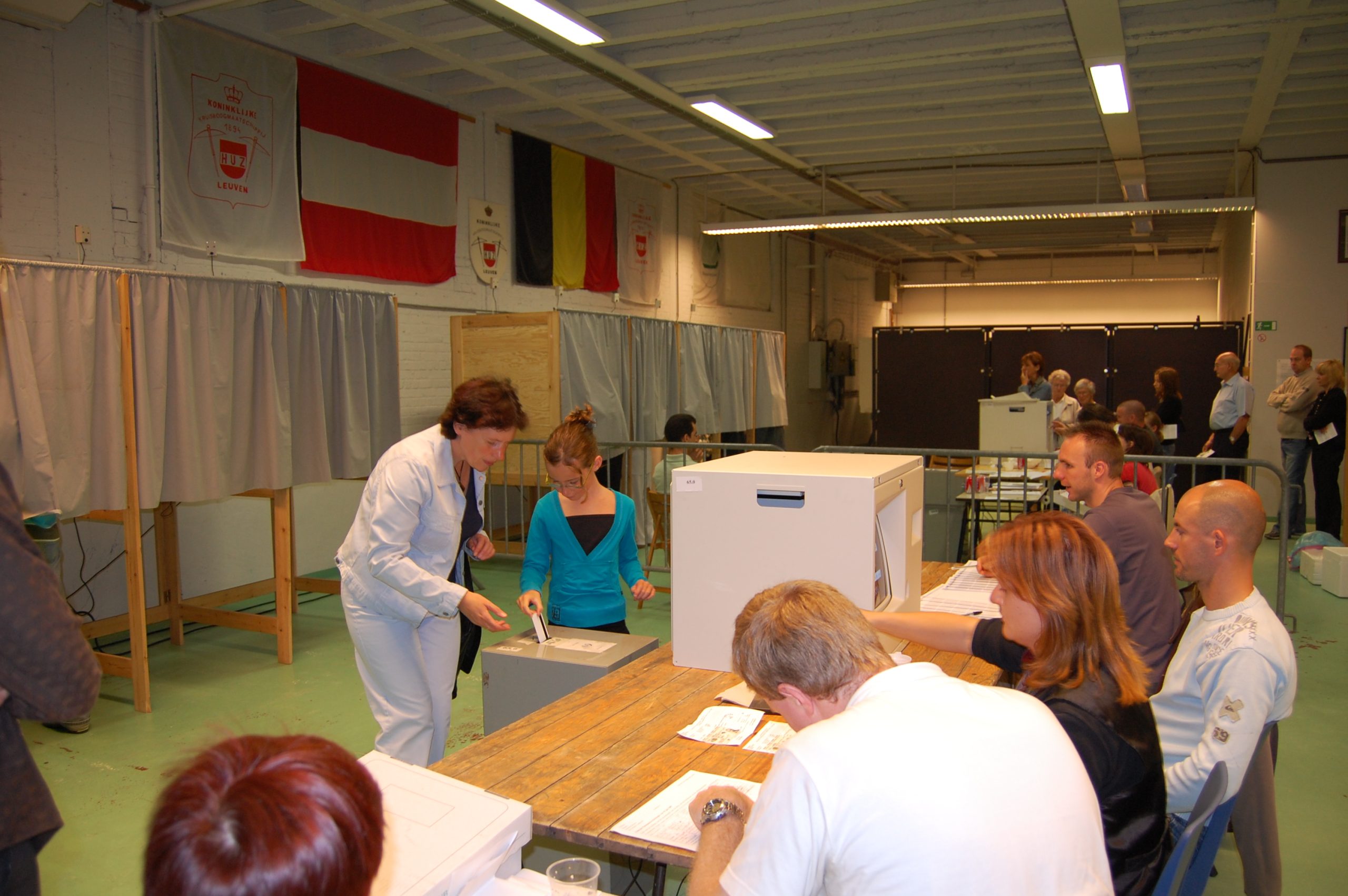
The House vote advanced a package that mixed congressional stock-trading restrictions with federal voter ID requirements, leaving the Senate to decide whether the issues stay linked.
Republicans secured 13 Democratic votes for a House bill that combined a proposed congressional stock-trading ban with new voter identification requirements for federal elections, according to Newsweek.
The bill, H.R. 7008, passed the House 232-198 on Wednesday, July 22. Newsweek reported that Republican lawmakers attached the Voter ID Act to the Stop Insider Trading Act, putting election-law provisions inside a bill centered on congressional ethics.
The vote was about more than stock trading
The measure moved through the House as the Stop Insider Trading Act. Its stock-trading language gave some Democrats a reason to support the package even as they objected to the election provisions.
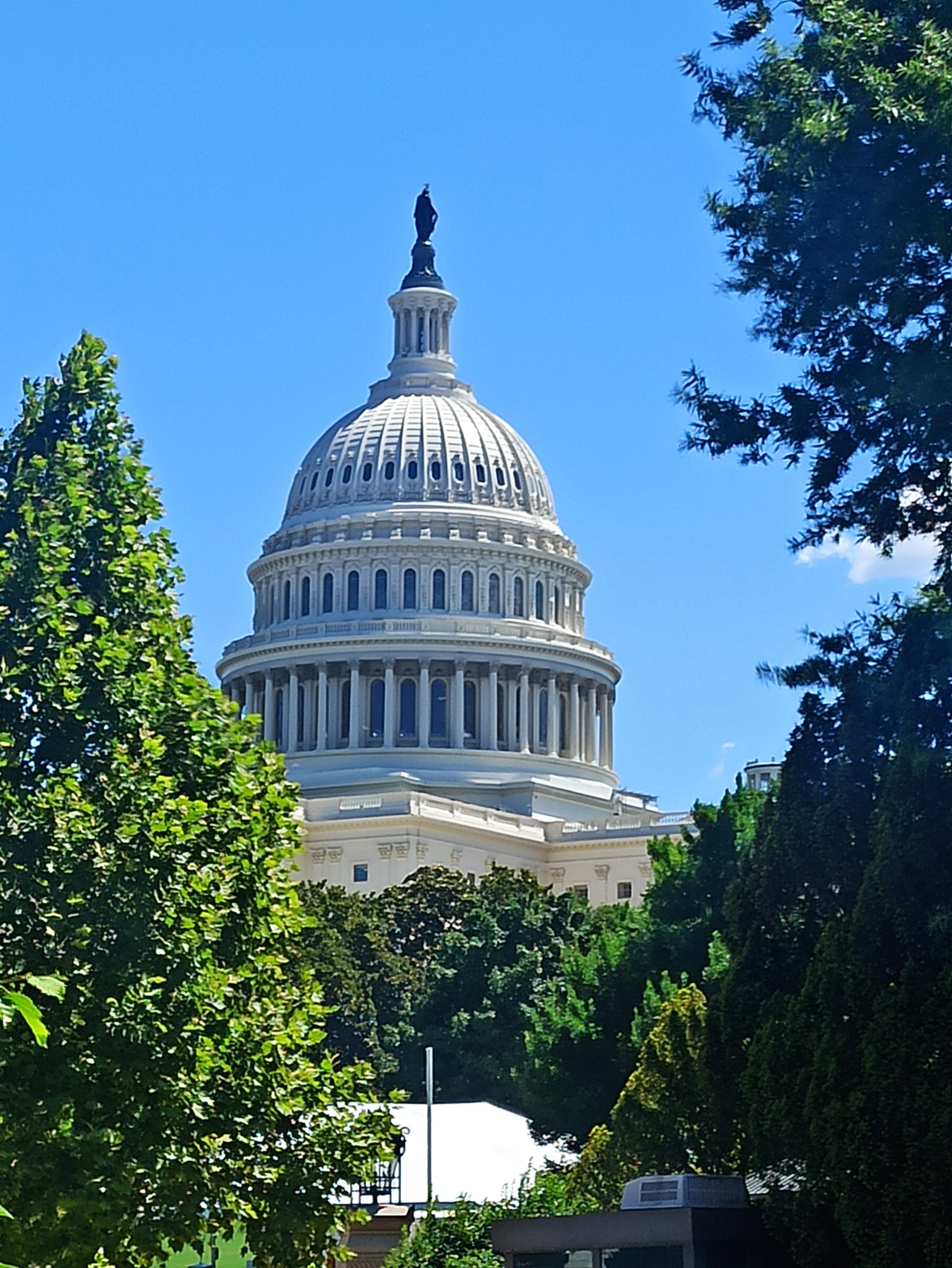
Because the Voter ID Act was attached to the bill, a yes vote also became a recorded vote on a GOP-backed voter ID proposal. That is why the final Democratic crossover total drew attention.
The House vote does not make the voter ID provisions law. The Senate could take up the bill, amend it, remove the election language or pursue a different version focused only on stock trading.
The 13 Democrats who voted yes
Newsweek identified these House Democrats as voting for the legislation:
- Kathy Castor of Florida
- Henry Cuellar of Texas
- Don Davis of North Carolina
- Jared Golden of Maine
- Vicente Gonzalez of Texas
- Josh Gottheimer of New Jersey
- Marcy Kaptur of Ohio
- Susie Lee of Nevada
- Jared Moskowitz of Florida
- Chris Pappas of New Hampshire
- Marie Gluesenkamp Perez of Washington
- Darren Soto of Florida
- Derek Tran of California
Newsweek reported that many of the members represent battleground districts or have records of breaking with their party on issues including immigration, energy policy and government spending.
Their votes gave Republicans bipartisan support for a package carrying voter ID requirements, while most House Democrats opposed it.
Some supporters objected to the add-on
Jared Golden of Maine framed his vote around the stock-trading restrictions, according to Newsweek, while criticizing the election provisions added to the bill.
Newsweek reported that Golden said the stock-trading language was a meaningful first step, but also objected to Republican-added electoral policies, including limits on absentee voting and photo ID requirements at the polls. He called on the Senate to pass a clean stock-trading ban.
Marie Gluesenkamp Perez of Washington made a similar point in a post on X, according to Newsweek. She said she voted to ban members of Congress from selling and trading individual stocks, while accusing House Republicans of inserting provisions from the SAVE America Act into an otherwise broadly nonpartisan issue.
How this compares with earlier SAVE votes
Democratic support was smaller in earlier SAVE-related House votes cited by Newsweek.
In April 2025, when the House passed the original SAVE Act, four Democrats voted yes: Ed Case of Hawaii, Henry Cuellar of Texas, Jared Golden of Maine and Marie Gluesenkamp Perez of Washington.
Newsweek reported that when Republicans returned with the broader SAVE America Act in February 2026, the House passed it 218-213 and Cuellar was the only Democrat to vote yes.
That makes the 13 Democratic votes on H.R. 7008 a larger crossover group than those earlier votes, though several yes votes were tied publicly to the stock-trading provisions rather than full support for the election language.
What the voter ID language connects to
The SAVE Act, according to Congress.gov, would require documentary proof of U.S. citizenship when registering to vote in federal elections. It would prohibit states from accepting and processing a federal voter registration application unless the applicant presents such proof, while also requiring an alternative process for other evidence of citizenship.
The broader SAVE America Act has been described by supporters as an election-security measure. Opponents argue it would make voting harder for eligible citizens.
Newsweek cited the Bipartisan Policy Center as saying the proposal’s voter ID requirements would be more restrictive than any currently in use at the state level and could burden election officials.
Newsweek also noted that House Democratic leader Hakeem Jeffries has previously described the voter ID push as an effort to make it harder for people to vote.
The Senate is the next pressure point
The House result gives Republicans a bipartisan vote total to point to on voter ID. It also gives Democrats who voted yes a narrower explanation: they backed the stock-trading restrictions and, in some cases, asked the Senate to remove the election provisions.
The next step depends on whether the Senate keeps the two issues together. A bill focused only on congressional stock trading would not carry the same election-law fight.
For now, H.R. 7008 is both an ethics bill and a voter ID bill. The 13 Democratic votes matter because they show how much the outcome can change when those two subjects are bundled into one House vote.






Leave a Reply