
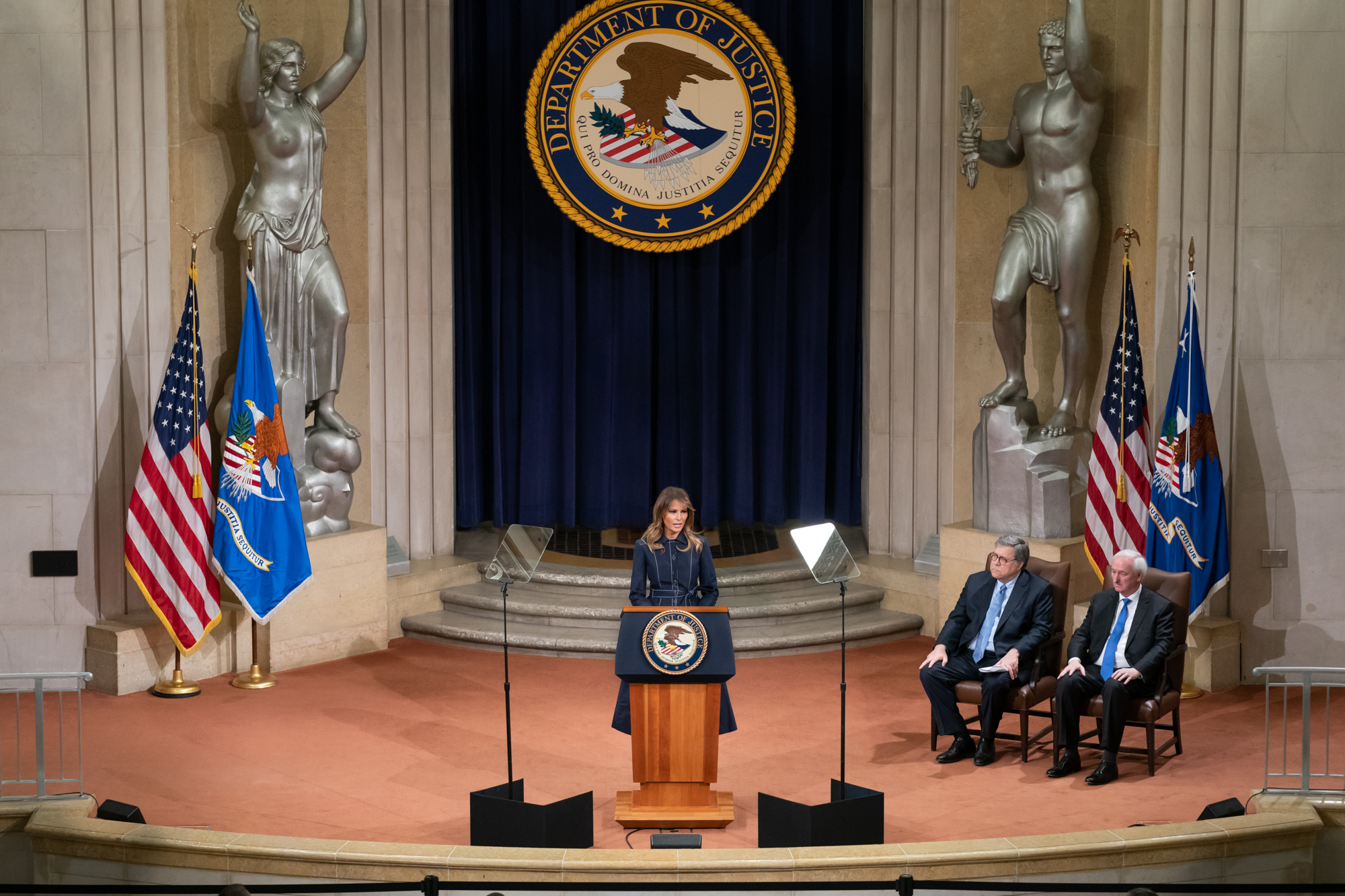
The warning puts New Jersey at the center of a broader federal push over voter-roll accuracy. State officials say the disputed registrations were accidental and have raised privacy concerns.
The Justice Department warned that noncitizens who vote in New Jersey could face criminal prosecution, sharpening the federal election-law enforcement issue behind a broader demand sent Tuesday to election officials in all 50 states and the District of Columbia. Those letters gave states five days to explain compliance with federal rules barring noncitizens from federal voting.
On Wednesday, Assistant Attorney General Harmeet Dhillon publicly raised possible prosecutions and deportations, while New Jersey Gov. Mikie Sherrill’s administration signaled resistance to handing over personal information tied to 400 people state officials say were mistakenly added to voter rolls.
A warning beyond paperwork
The Justice Department’s message to New Jersey is doing two things at once: pressing the state over voter-roll maintenance and putting noncitizens on notice that voting in a federal election can carry criminal consequences.
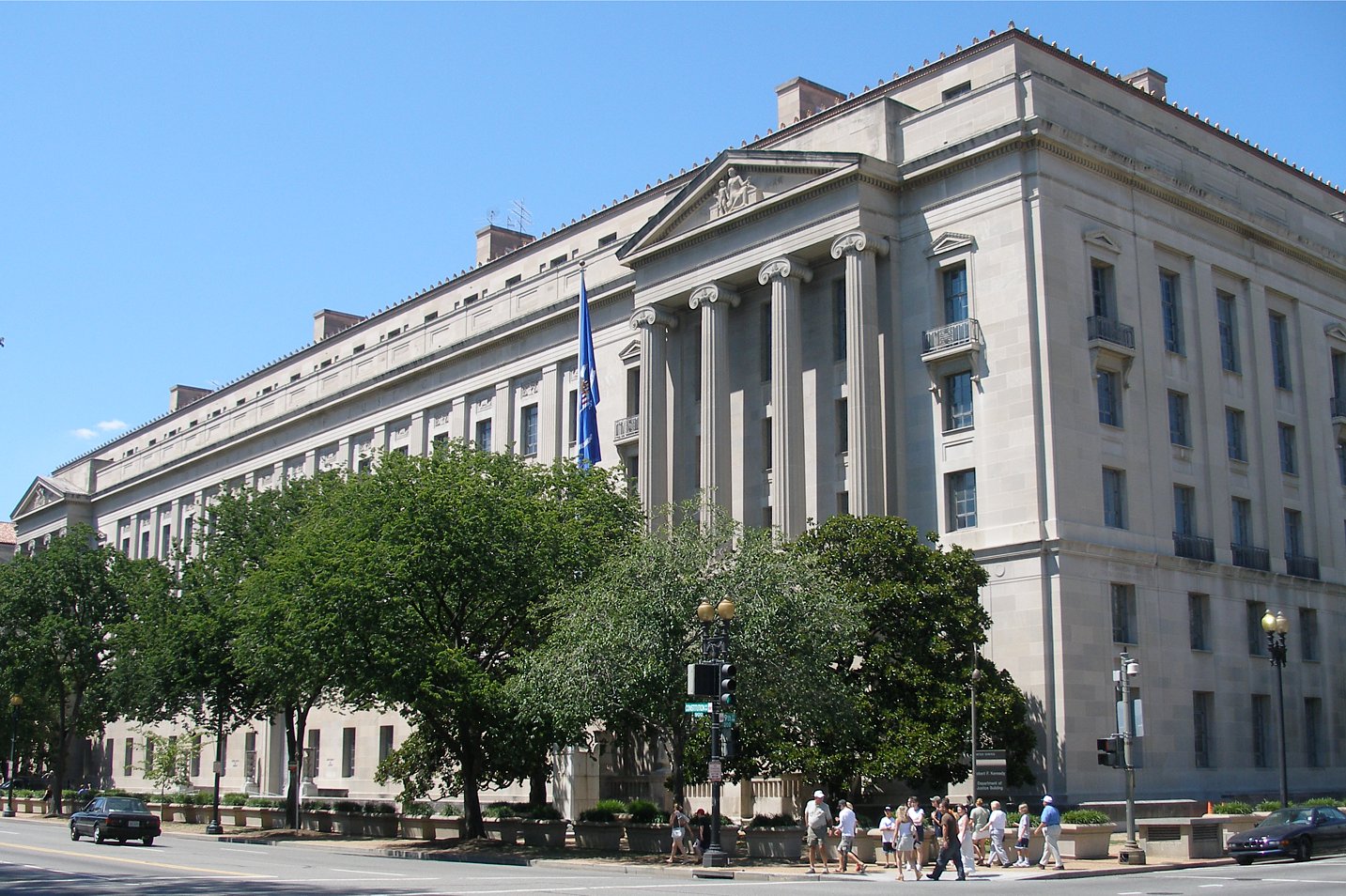
Dhillon, who leads the department’s Civil Rights Division, first sent a letter focused on whether New Jersey was complying with federal law, according to Politico. The letter itself was framed as an investigation into compliance. The harder edge came later, when Dhillon discussed possible criminal cases during a Wednesday appearance with conservative influencer Benny Johnson.
“The consequences of voting when you’re not allowed to in a federal election can mean removal to your home country and worse — it’s a crime,” Dhillon said, according to Politico’s account of the appearance.
The department then reinforced that position through spokesperson Kiersten Pels, who said noncitizen voting in federal elections is illegal and that the Civil Rights Division will continue pressing states to clean their rolls. Pels also said the department is prosecuting cases “where the law and evidence support it.”
New Jersey’s disputed 400 names
The New Jersey fight centers on roughly 400 people who officials say were noncitizens and ended up on the state’s voter rolls. Sherrill has said there is “no evidence” those voters changed the outcome of an election, Politico reported.
That distinction matters legally and politically. The DOJ is not required to show an election outcome was changed to investigate unlawful voting. But the state’s argument goes to intent, scale and whether criminal prosecution would be a measured response to what officials describe as an administrative failure.
Sherrill has previously said the noncitizens who voted should not face criminal charges because they were inadvertently added to the rolls without their knowledge, according to Politico. Her administration has also suggested it may push back against the DOJ’s demand for information, though it has not flatly said it will refuse to comply.
Sean Higgins, a spokesperson for Sherrill, accused the Trump administration of using the Justice Department for political ends and said the governor would use available legal tools to protect New Jersey residents’ personal information.
The federal push is wider
New Jersey is the flashpoint, but the pressure is national. Reuters reported that the Justice Department sent letters to all 50 states and the District of Columbia, warning that officials could face criminal liability if they knowingly keep noncitizens on voter rolls.
NBC News similarly reported that the department warned state election officials they could face prosecution over noncitizen voting. The letters gave states five days to explain how they would comply with federal requirements, placing a short deadline on a legally sensitive and politically explosive issue.
That broader campaign changes the stakes for state election offices. Voter-roll maintenance is usually a technical, bureaucratic process involving data matching, notices, eligibility checks and safeguards against wrongly removing eligible voters. The DOJ’s posture puts criminal enforcement in the foreground.
The department’s argument is straightforward: every unlawful vote dilutes the vote of eligible citizens. State officials and voting-rights advocates tend to focus on the other risk: rushed or overly aggressive roll-cleaning can wrongly target eligible voters, naturalized citizens or people whose records are incomplete or mismatched.
What federal law actually targets
Federal law bars noncitizens from voting in federal elections. That includes people who may lawfully live and work in the United States but are not U.S. citizens. The legal issue becomes more complicated when someone is registered by mistake, misunderstands eligibility rules or votes because a government system appeared to tell them they could.
The Justice Department’s statement leaves room for evidence-based charging decisions. Pels said cases would be prosecuted where the law and evidence support them, a phrase that matters because criminal cases typically turn on proof, not just an inaccurate voter file.
For state and local officials, the separate issue is whether they knowingly allowed ineligible people to remain registered. That is the piece highlighted in the national letters reported by Reuters and NBC News. The word “knowingly” is doing heavy lifting: it suggests the department is looking not only at errors, but at what officials knew and how they responded.
For affected noncitizens, the stakes could be severe. Dhillon specifically mentioned possible removal from the country. That raises the practical question New Jersey is now pushing into the open: should someone face prosecution or deportation if the state itself mistakenly placed that person on the rolls?
Two sharply different readings
The DOJ’s view is that voter-roll accuracy is a core election-integrity issue and that states have an obligation to prevent ineligible voting before ballots are cast. In that framing, New Jersey’s 400 cases are not small; they are proof that state systems can fail in ways that affect federal elections.
New Jersey’s pushback frames the same facts differently. The state says there is no evidence the 400 people swayed an election, and Sherrill has argued that criminal charges would be inappropriate if people were added to the rolls inadvertently and without knowing they were ineligible.
The political context is impossible to separate from the legal one. President Donald Trump and his allies have repeatedly focused on noncitizen voting, while news organizations including NBC News have noted that claims of widespread noncitizen voting have not been supported by evidence. That does not make every individual case irrelevant. It does mean enforcement decisions will be scrutinized for whether they are targeted and evidence-based or politically driven.
Both concerns can be true at once: noncitizens are not allowed to vote in federal elections, and the government must be careful not to turn administrative mistakes into sweeping accusations unsupported by the record.
The next deadline matters
The immediate question is how New Jersey responds to the DOJ request. Sherrill’s administration has suggested it will protect personal information, but it has not said definitively whether it will hand over the list or challenge the request in court.
The five-day deadline sent to states also creates a fast-moving test of how far the Justice Department intends to push. If states comply, the department could gain more data for investigations. If states resist, the fight could shift toward subpoenas, litigation or a broader clash over federal authority and state control of election administration.
What remains unclear is whether the DOJ has identified specific individuals it believes knowingly voted unlawfully, whether any New Jersey officials are suspected of knowingly leaving ineligible voters on the rolls, and how prosecutors would treat people who say they relied on state registration systems.
For voters, the takeaway is narrower than the political noise: citizenship remains a firm requirement for federal voting, states are under new federal pressure to document compliance, and New Jersey has become an early test case for how aggressively the Justice Department will pursue noncitizen voting allegations.



Leave a Reply