
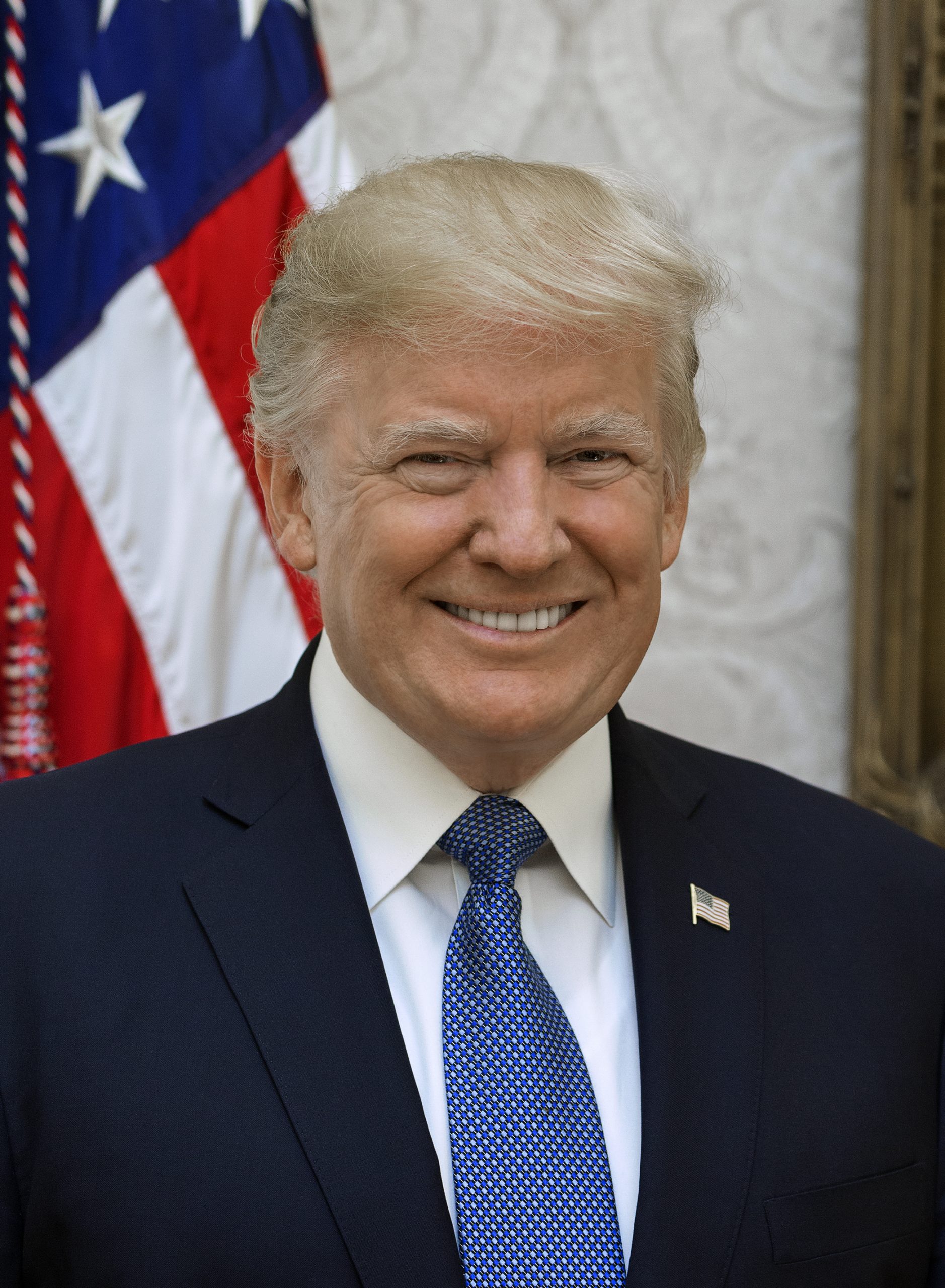
The dispute turns on whether evidence from the Jan. 6 investigation can surface in a defamation case Trump chose to file. The BBC says the sealed rulings may show Trump cannot use privilege to block the same witnesses again.
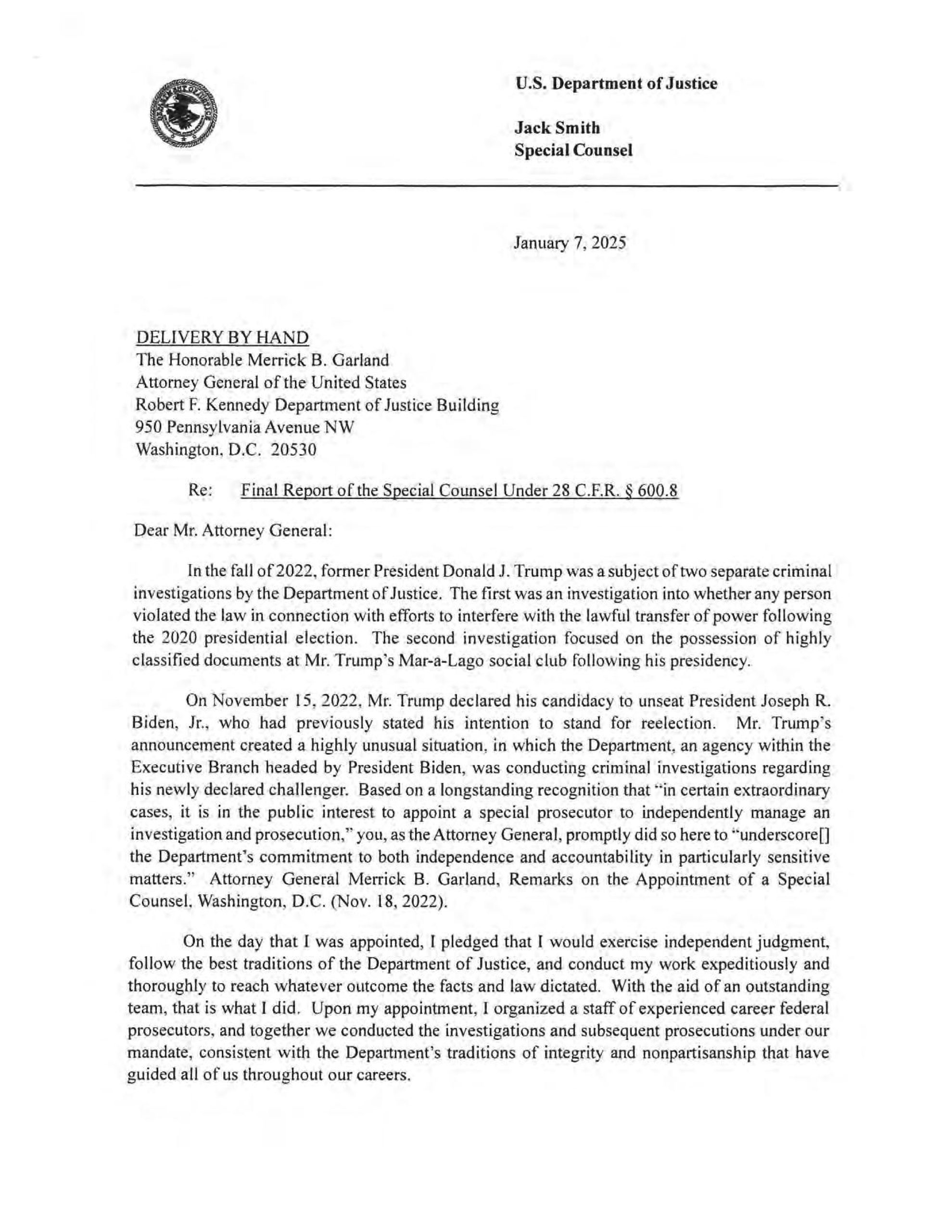
Donald Trump’s privilege claims were lost in a dispute tied to Jack Smith’s Jan. 6 grand jury probe, and the BBC now says a key discovery issue could affect the outcome of Trump’s libel lawsuit. In a Wednesday court filing, the broadcaster sought discovery access by asking Chief U.S. District Judge James Boasberg in Washington, D.C., to unseal more rulings that rejected Trump’s executive privilege assertions.
The BBC argues those sealed Executive Privilege Decisions could be vital discovery showing the extent of Trump’s privilege loss to Jack Smith — and could help decide whether Trump can press his lawsuit while blocking evidence about Jan. 6.
Privilege fight enters libel case
The case is not Jack Smith’s criminal investigation. It is Trump’s defamation lawsuit against the British Broadcasting Corporation over a BBC documentary, Trump: A Second Chance, that Trump says misleadingly edited his Jan. 6 speech.
Trump alleges the program gave viewers the mistaken impression that he made a direct call for violent action on Jan. 6, 2021. The BBC’s defense, in broad terms, is that Jan. 6 evidence matters because Trump put the meaning and impact of his speech at issue by suing.
That is where the sealed rulings come in. During Smith’s grand jury probe, Boasberg issued decisions on Trump’s executive privilege claims. The BBC says those rulings went against Trump and remain largely under seal.
In its filing, the BBC argues it should be able to see more of those decisions because Trump is again invoking privilege to resist access to evidence from some of the same events and witnesses.
What the BBC wants unsealed
The BBC is asking Boasberg to further unseal what the filing calls the Executive Privilege Decisions. The broadcaster says those decisions may show that Trump’s current privilege objections have already been rejected in a closely related context.
According to the filing, the BBC wants the rulings to help it respond to Trump’s privilege assertions, obtain evidence, and defend itself effectively. The filing frames the issue as one of fairness: Trump chose to sue over how Jan. 6 was portrayed, but the BBC says he is trying to withhold evidence that may bear directly on that question.
The broadcaster’s argument is pointed. It says Trump cannot claim it is defamatory to imply his speech incited violence while also using executive privilege to block evidence from witnesses who could speak to that same issue.
The filing says unsealed decisions will “likely be crucial” to obtaining information that could be dispositive of Trump’s lawsuit. That does not mean the BBC has won the discovery fight. It means the broadcaster is telling the court that the sealed privilege record may control what evidence it can get.
Trump argues discovery is too broad
Trump’s side has taken a narrower view of the case. According to the court record described in the filing, Trump argued last month that the BBC’s discovery requests were excessive and impermissibly broad.
His position is that the Florida defamation case should not become a full relitigation of Jan. 6. That concern found some traction: a magistrate judge agreed that the entire Jan. 6 record is not at issue in the Florida case and focused instead on other discovery, including Trump’s financial records.
That ruling matters because it shows the BBC is not getting an open-ended license to retry Jan. 6 through civil discovery. Courts often limit discovery when requests sweep too widely, even when a party argues the information could help its case.
Still, the BBC is trying to carve out a more targeted path. It is not simply asking for every Jan. 6 document. It is asking a D.C. judge to unseal prior privilege rulings so it can understand and challenge Trump’s effort to withhold specific evidence.
The Pence attorney flashpoint
One concrete example in the filing involves Greg Jacob, a lawyer for former Vice President Mike Pence. The BBC says Trump has impeded its efforts to obtain evidence by directing Jacob not to produce potentially responsive documents.
The filing says the White House directed Jacob not to produce materials because they were subject to a potential assertion of executive privilege. That claim is central to the BBC’s request: if Boasberg previously rejected similar privilege claims, the broadcaster argues it should not have to fight in the dark.
Executive privilege is meant to protect certain confidential presidential communications. But it is not absolute. Courts can reject privilege claims when other legal needs outweigh them, and privilege fights become especially complicated when a former or sitting president is personally litigating a separate civil case.
The BBC’s argument leans on that tension. If Trump opened the courthouse door by filing a libel suit, the broadcaster says he should not be able to use previously rejected privilege claims to keep potentially damaging evidence sealed.
Why Jack Smith still matters
Smith is no longer the center of this civil case, but his investigation created the sealed record now at issue. The BBC’s request depends on what Boasberg decided during the grand jury fight over Trump’s executive privilege claims.
That makes the D.C. proceeding unusually important to a Florida defamation lawsuit. A sealed ruling from a criminal investigation could influence what evidence a media defendant can use in a civil libel defense.
For Trump, the stakes are also practical. Defamation plaintiffs often must prove not only that a challenged statement was false, but also that it caused harm. Depending on the claims and defenses, evidence about Jan. 6, public perception, and alleged damages could become central.
The BBC is arguing that the sealed privilege rulings may unlock evidence relevant to those issues. Trump’s lawyers are arguing, in effect, that the BBC is trying to expand the case beyond the alleged editing of the documentary.
What remains unclear
Boasberg must decide how much, if any, of the sealed privilege decisions should be made public or available for use in the BBC’s defense. The court could unseal more material, keep most of it protected, or allow a narrower disclosure.
The outcome will not necessarily decide Trump’s libel lawsuit by itself. But it could shape the evidence available to the BBC — and that is why the filing calls the discovery fight potentially dispositive.
The broader question is now plain: when Trump sues over a media portrayal of Jan. 6, how much of the government’s sealed Jan. 6 evidence can the defendant reach? The answer may determine whether the case stays focused on a television edit or opens a wider courtroom fight over what Trump said, what he intended, and what witnesses already told investigators.

Leave a Reply