
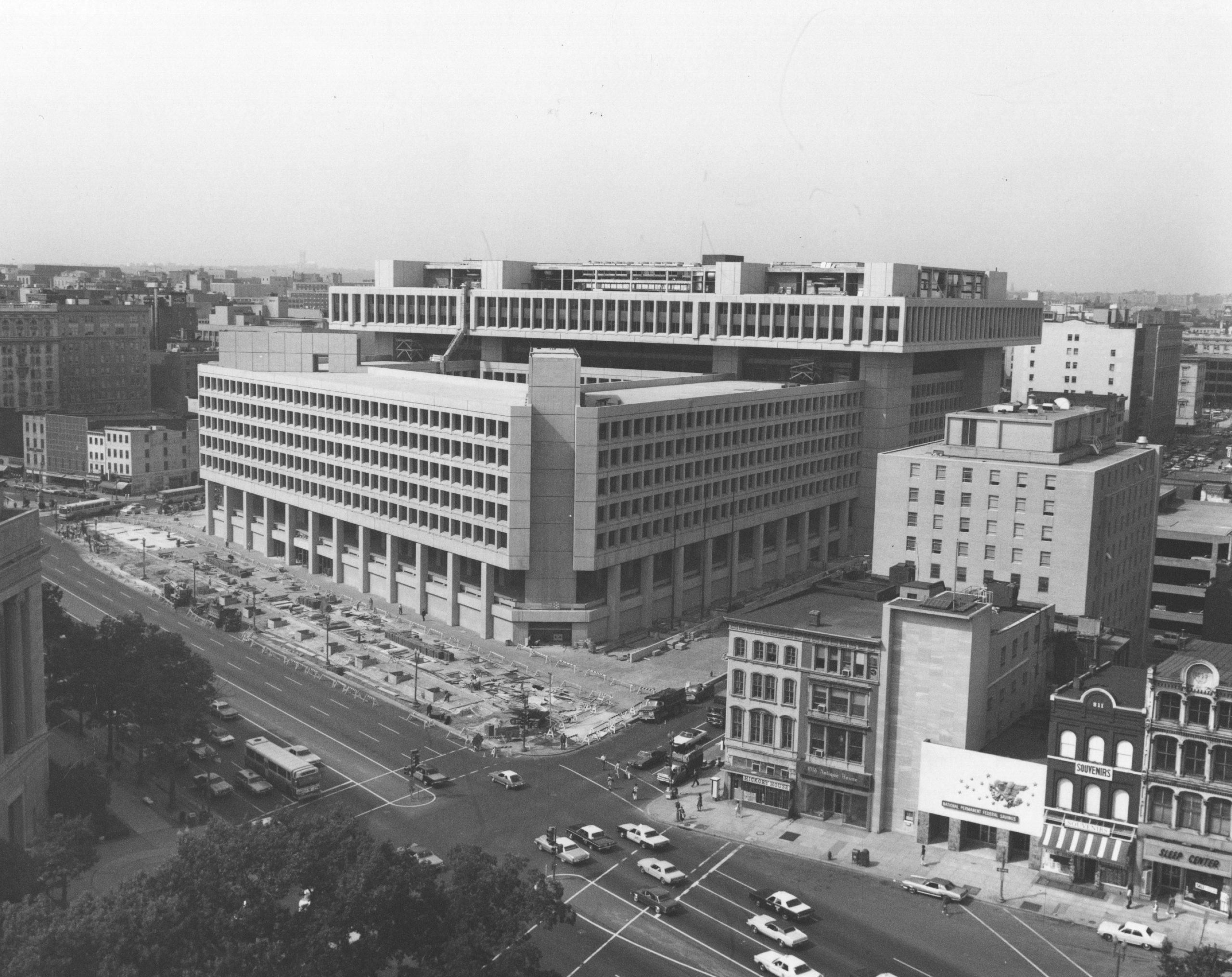
NBC, CBS and The New York Times reported that FBI field offices were told to defer certain ICE-related probes to Homeland Security Investigations. The dispute matters because it could shift scrutiny of force incidents closer to the agency involved.
The FBI will no longer investigate confrontations or assaults involving ICE agents, according to reports from NBC News, CBS News and The New York Times. The article argues this refusal could make the FBI a co-conspirator, but the sharper question is what happens when immigration agents are investigated by an agency inside the same department.
The Justice Department and Department of Homeland Security deny that such a policy shift is underway. Still, CBS reported that emails reviewed by the network told FBI personnel to defer assault-on-federal-officer inquiries involving DHS agents to Homeland Security Investigations, an ICE component.
Why the handoff matters
At stake is not just which office opens a case file. The reported shift would affect investigations involving alleged assaults on immigration agents, including incidents where an immigration agent fires a weapon after claiming to have been attacked.
The FBI has long had a central role in investigating assaults on federal officers. It also handles specialized civil rights investigations, including color-of-law cases involving alleged abuses by law enforcement.
If ICE-related cases are moved to Homeland Security Investigations, critics argue the public loses a layer of separation. HSI is part of ICE, and ICE is housed within DHS. That makes the arrangement feel less like outside review and more like a department examining its own conduct.
Supporters of a narrower FBI role could argue that HSI already investigates major federal crimes and has jurisdictional knowledge in immigration enforcement settings. But jurisdiction is not the same as perceived independence, especially when force, injury or death is involved.
The official denials clash
The government’s public position is blunt: officials say the reported change is false. CBS News reported that both DOJ and DHS denied that a new policy is taking place, and that the Justice Department said the FBI “will continue to investigate in accordance with agency policy.”
That denial sits uneasily beside the reporting. NBC News cited two people familiar with the directives in saying FBI agents were told they would no longer investigate assault confrontations with ICE agents. CBS said emails showed FBI officials and HSI special agents in field offices were advised that the FBI would defer all assault-on-federal-officer inquiries involving DHS agents to HSI.
The difference may come down to wording. A formal nationwide policy change, a field-office directive, and an operational handoff can be described differently by different agencies. For the public, though, the effect is what matters: who investigates, who gathers evidence, and who decides whether an agent’s use of force was justified.
That gap between public denial and reported internal guidance is the first unanswered question. If the FBI is still investigating these matters, agencies can say how. If cases are being deferred to HSI, they can explain why and under what safeguards.
HSI is not the same watchdog
Homeland Security Investigations is a major federal law enforcement arm. It handles cross-border crimes including human trafficking, cybercrime, smuggling and other complex investigations.
But CBS News reported that HSI is not typically tasked with investigating officer-involved shootings and is not structured in the same way for core pieces of those cases, such as ballistics, forensic processing, firearm examinations, video review and large witness canvasses.
That distinction matters because many disputed enforcement encounters turn on details collected early. Where a weapon was found, what video exists, which witnesses were interviewed, and how quickly physical evidence was preserved can determine whether a case is seen as an assault on officers, a civil rights issue, or something more complicated.
When an agency involved in immigration enforcement reviews incidents involving immigration agents, even a competent investigation can carry a legitimacy problem. People skeptical of ICE will suspect a whitewash. Agents and prosecutors may argue that HSI understands the tactical realities better than outsiders. Both views point to the same need: transparent rules.
The co-conspirator claim
The phrase “co-conspirator” is powerful, and it should be handled carefully. In criminal law, conspiracy usually requires proof of an agreement and intent to commit an unlawful act. A refusal to investigate, by itself, is not automatically a criminal conspiracy.
As a political and moral claim, though, the accusation is easier to understand. Critics are saying that if the FBI knowingly steps back from cases where ICE agents’ conduct needs independent scrutiny, the bureau becomes part of the machinery that protects those agents from accountability.
That is not the same as proving a crime. It is an indictment of institutional behavior: the idea that silence, delay or deference can enable misconduct even without an explicit agreement to cover it up.
The government’s counterargument is that assaults on law enforcement will still be prosecuted and that investigative assignments can be made without weakening accountability. The burden now is on DOJ and DHS to show that the reported handoff does not create a conflict or reduce scrutiny in the very cases most likely to test public trust.
The cases now in limbo
CBS reported that FBI field offices were asked to compile lists of existing investigations involving assaults on federal officers from DHS. That suggests the reported guidance may not only affect future cases, but also pending matters already underway.
That is a significant practical issue. If an investigation has already begun under FBI procedures, a transfer can disrupt evidence review, witness interviews and prosecutorial strategy. It can also give defense lawyers and civil rights attorneys new grounds to challenge how evidence was handled.
CBS also noted that several high-profile fatal shootings by immigration agents over the last 18 months have involved overlapping claims: DHS alleged agents were assaulted before they fired, while the same incidents raised questions that can resemble civil rights or officer-involved shooting inquiries.
Those are exactly the cases where independence matters most. If the central allegation is that an agent used force after an assault, the investigation must test both sides of that claim. It cannot simply accept the agency’s framing at the outset.
What to watch next
The immediate test is whether DOJ, DHS or the FBI releases written guidance clarifying who investigates assaults and confrontations involving ICE agents. A public statement denying a shift is not enough if internal emails or field instructions say something different.
Congressional oversight could also become part of the story. Lawmakers can request the emails, ask which cases were reassigned, and press agencies on whether HSI has the forensic capacity and independence to handle shootings or serious force incidents involving immigration personnel.
Another key issue is whether prosecutors treat HSI-led investigations the same way they treat FBI-led investigations. If U.S. attorneys rely on HSI findings in cases involving ICE agents, defense attorneys and civil rights groups may push for more disclosure about how those findings were developed.
The cleanest takeaway is this: the controversy is bigger than an interagency turf fight. If the FBI is stepping back from ICE-related confrontation probes, the public needs to know who is stepping in, what standards they will use, and how conflicts of interest will be prevented.




Leave a Reply