

DOGE’s Wall of Receipts was designed to make federal cost-cutting visible. A new GAO review says the public-facing tally needs far more transparency before its savings figures can be treated as reliable.
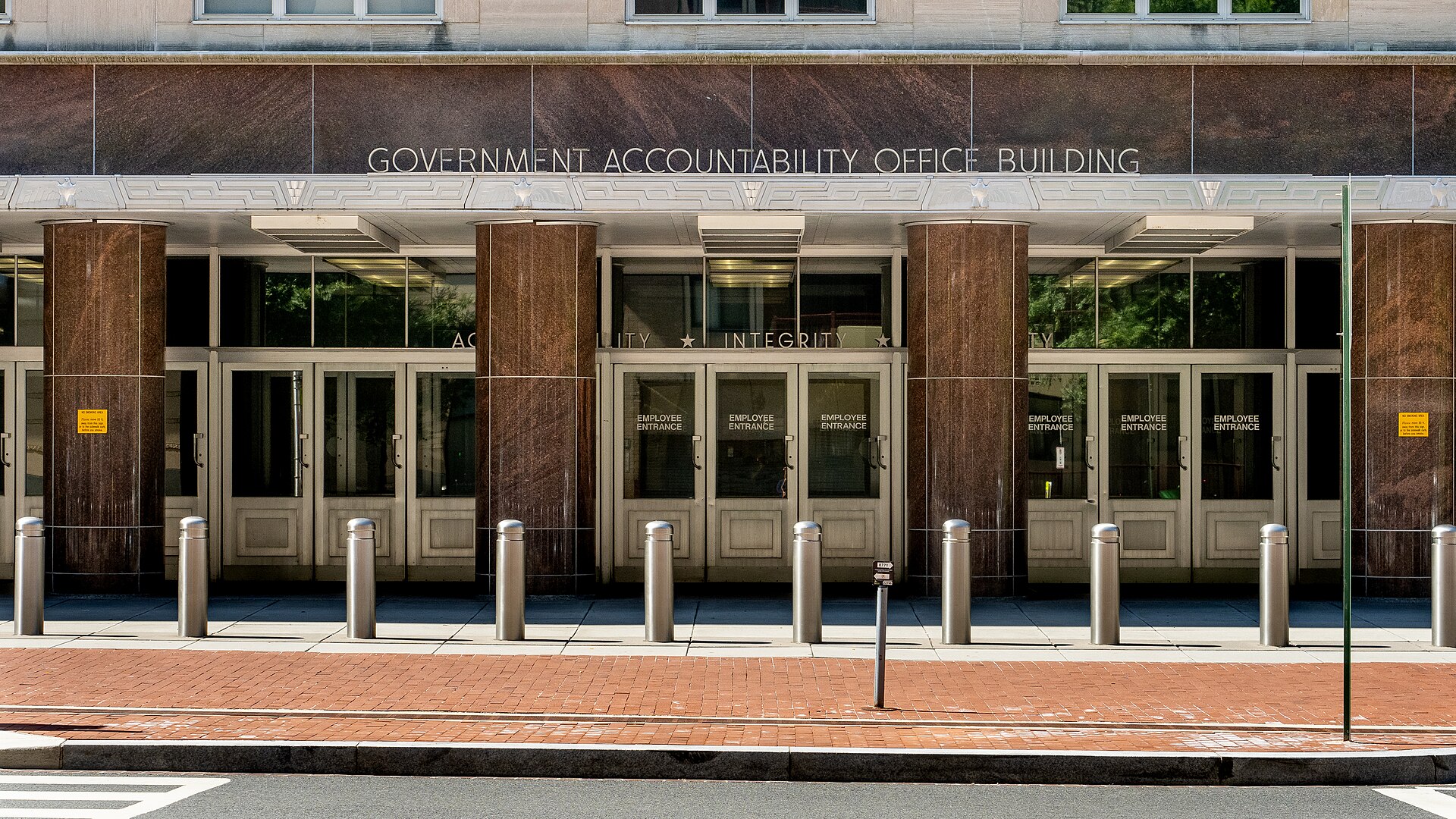
The U.S. Government Accountability Office has exposed major problems in the savings claimed by the Department of Government Efficiency, or DOGE. In a review released in August 2026, the watchdog found errors, inadequate supporting evidence and billions of dollars in DOGE’s public tally that could not be verified.
DOGE’s Wall of Receipts listed $110 billion in estimated savings as of July 7, 2026, but GAO said the figures were not transparent enough to establish what the government actually saved. The review found that 108 leases credited to DOGE were already being phased out when the group was established, meaning those cuts did not result from DOGE’s work. It also identified other entries that lacked clear calculations—and some reported cuts that never happened at all.
Those findings undermine the credibility of DOGE’s reported savings because the tally combined unsupported estimates with actions that predated DOGE or were not carried out.
The problem with a public tally
The Department of Government Efficiency, or DOGE, was created to push agencies to examine federal contracts, grants and real estate leases for possible termination or modification. Its Wall of Receipts began posting estimated savings on February 17, 2025.
That website became one of the most visible measures of DOGE’s work. It offered a running figure meant to show the scope of savings produced by the administration’s cost-cutting effort.
But a large public number can create a misleading impression if readers cannot see how it was calculated, whether an action actually happened, or whether the government will ultimately avoid the full amount listed. That distinction is central to the GAO’s findings.
The watchdog did not say every item on the Wall of Receipts was wrong. Its point was narrower, but consequential: weaknesses in the data and methodology limited the transparency and reliability of the reported total.
GAO found missing support
According to GAO, DOGE did not consistently use its stated methodology for calculating savings associated with contracts listed as terminated. That makes it difficult to determine how the group reached the figures displayed online.
The gaps were especially pronounced for grants. GAO said DOGE did not provide enough information for reviewers to verify the method behind 96 percent of savings reported for grants.
The Wall of Receipts also did not explain how it calculated savings from terminated leases, GAO said. A termination can be financially meaningful, but the actual savings may depend on timing, remaining obligations, replacement costs and whether a lease would have ended anyway.
That is why “savings identified” and “money saved” are not always interchangeable. A projected reduction may be real, but it still needs documentation that shows the estimate is tied to an actual federal action and a defensible calculation.
Leases predated DOGE’s work
The lease review offered one of GAO’s clearest examples. Of 264 leases on DOGE’s list as identified for termination, 108 were already in the process of being phased out when DOGE was established.
Those 108 leases accounted for about $15.3 million of the $53.5 million in lease savings reported in that part of the Wall of Receipts, according to GAO.
That does not necessarily mean ending those leases produced no savings. It means DOGE’s public tally gave the group credit for actions that were already underway. For an initiative built around demonstrating its own impact, that attribution matters.
The issue also illustrates the limits of a scoreboard approach to government efficiency. A tally can make disparate decisions easy to scan, yet it can blur who initiated them, when they began and whether the listed amount reflects a new policy choice.
A contract example raises questions
GAO’s review of selected contracts found that some potential savings existed, but the basis for certain reported figures was unknown. In one example, DOGE reported $1.7 billion in savings tied to a Defense Health Agency information-technology contract serving more than 700 military treatment facilities worldwide.
GAO said DOGE initially identified that contract for termination, but no action was ultimately taken to terminate it. The example is important because it highlights the difference between identifying a possible target and completing a cut that produces savings.
Supporters of DOGE can reasonably argue that identifying inefficient arrangements pressures agencies to reassess spending, even when an individual cancellation does not happen. Critics counter that public savings claims should be revised or clearly labeled when a proposed action is abandoned.
GAO’s report favors the latter principle of clarity. Its concern is that users of the Wall of Receipts should be able to tell what happened, what is estimated and what remains unsupported.
Why the measurement matters
Federal spending is complicated, and calculating savings is not as simple as subtracting a canceled contract’s headline value from a budget. A contract’s ceiling amount may not equal expected spending. A canceled grant may carry legal, administrative or replacement costs. A lease near its natural end may not represent a new savings decision.
Those complications do not make cost-cutting impossible. They make transparent accounting essential, especially when officials use headline savings totals to demonstrate the success of a government-wide initiative.
Reliable figures help lawmakers, agency managers and the public evaluate tradeoffs. If savings are overstated, policymakers may make decisions based on an inaccurate sense of fiscal progress. If real savings are buried among unclear claims, effective reforms are harder to identify and replicate.
The debate is therefore bigger than DOGE’s website. It is about whether high-profile government efficiency campaigns should be judged by proposed reductions, announced cancellations or savings that can be independently traced to final budget outcomes.
GAO wants clearer limitations
GAO recommended that the Wall of Receipts prominently disclose the limitations of its data. The recommendation does not require DOGE to stop publishing estimated savings. It calls for clearer context about what those estimates do—and do not—show.
A more useful public ledger would identify the agency involved, the date an action began, the prior status of the contract, grant or lease, the calculation method and whether the expected savings were later verified. It would also distinguish projected savings from amounts that have actually been realized.
For now, the GAO findings leave a straightforward takeaway: DOGE’s $110 billion figure should not be read as a fully verified measure of federal savings. The watchdog found that portions of the tally lacked the evidence and methodological transparency needed to support that conclusion.
That does not settle every argument over DOGE’s cost-cutting campaign. It does establish that the government’s most prominent public accounting of the effort requires more documentation before its biggest claims can carry the weight its headline number suggests.







Leave a Reply