
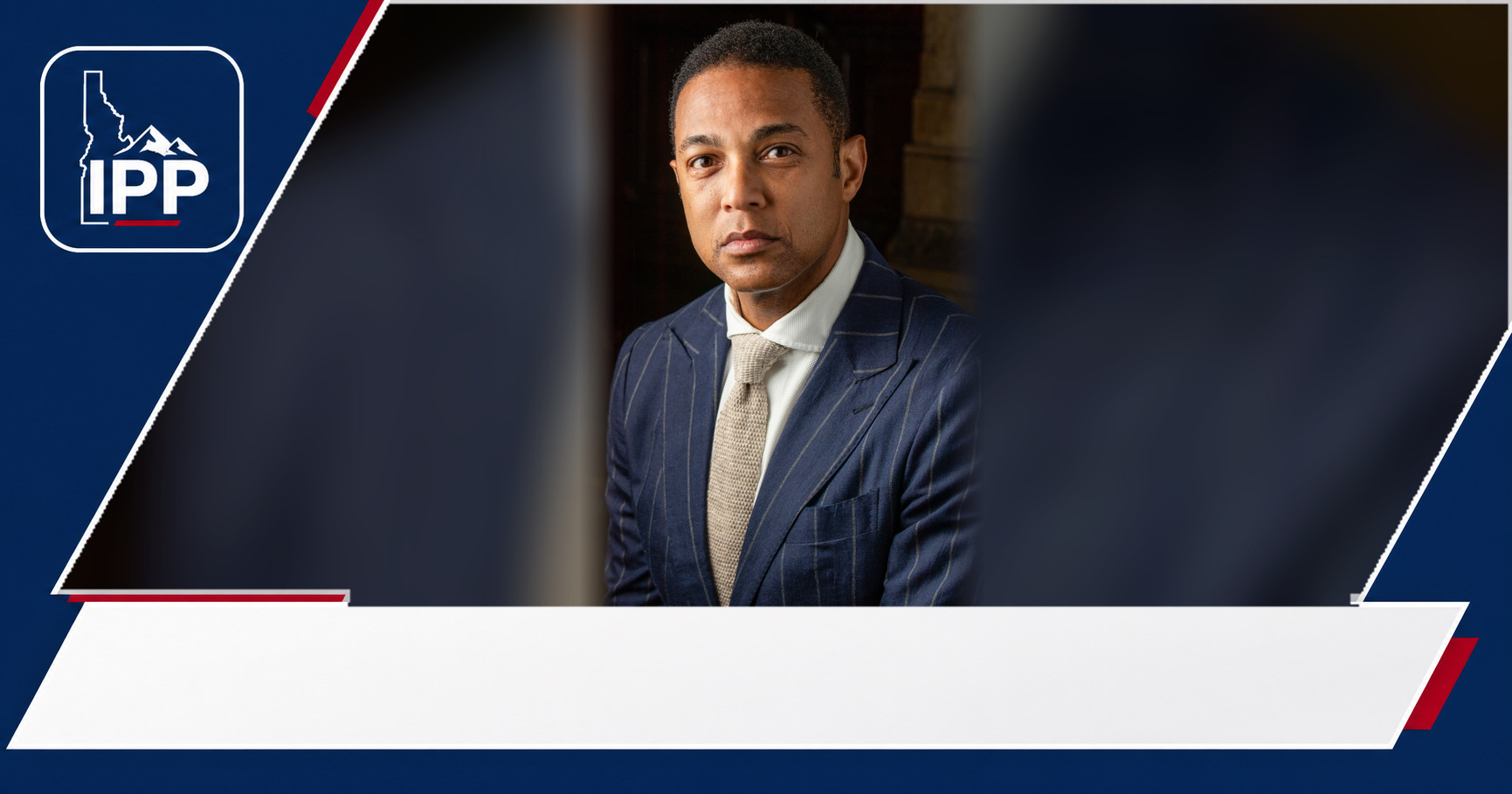
Lemon’s dismissal request puts his status as a journalist at the center of a federal case arising from an anti-ICE protest at a St. Paul church. The filing also raises a larger dispute over whether political pressure influenced the decision to charge him.
Don Lemon told a judge that he was targeted by Donald Trump before his indictment, and Lemon is asking the court to dismiss the criminal case against him. The former CNN anchor and independent journalist was charged after covering a Jan. 18 anti-immigration enforcement protest at Cities Church in St. Paul, Minnesota, where prosecutors allege worshippers’ rights were interfered with.
Lemon’s request turns the case into more than a dispute over his presence at the protest. He says he was acting as a journalist, while the government’s case alleges conspiracy and interference with the First Amendment rights of people attending the church service.
The dismissal request’s central claim
Lemon’s argument, as described in reporting on his court filing, is that he had become a target of Trump before he was indicted. That allegation is central to his effort to have the charges thrown out rather than simply contesting them at trial.
A claim of political targeting does not itself end a criminal case. A judge would generally need to assess the legal arguments and any evidence offered to determine whether prosecutors acted improperly, whether the case was selectively brought, or whether another constitutional defect warrants dismissal.
The available reporting does not detail all of the evidence Lemon’s lawyers submitted in support of the alleged targeting claim. It also does not establish that Trump personally directed the prosecution. Those distinctions matter: public criticism, political rhetoric and prosecutorial decision-making can be related in an argument without proving unlawful influence.
Why Lemon was charged in Minnesota
A federal grand jury in Minnesota indicted Lemon, independent journalist Georgia Fort and others after the protest at Cities Church. The church is in St. Paul, and reporting identified its pastor as a U.S. Immigration and Customs Enforcement official.
According to the indictment summarized by PBS NewsHour, the charges include conspiracy and interfering with worshippers’ First Amendment rights during the church protest. Lemon was arrested in Los Angeles, while Fort and two protest participants were arrested in Minnesota.
The allegations stem from a confrontation in which protesters entered the church during a service. The criminal case is therefore focused on conduct surrounding the disruption, not simply on Lemon’s later reporting or his public commentary about immigration enforcement.
An indictment is an accusation, not a finding of guilt. The grand jury’s decision means prosecutors established the threshold needed to bring charges; it does not resolve whether the government can prove its case beyond a reasonable doubt.
Journalist or participant at protest
Lemon has consistently said he attended as a solo journalist documenting the event, not as a member of the protest group. In video he posted from the episode, he said he was there photographing and was not part of the group.
That distinction is likely to remain a major fault line. Journalists routinely cover protests and politically charged confrontations, including events that may become unlawful. Being present with a camera is not automatically the same as joining a plan or participating in alleged misconduct.
Prosecutors, however, may seek to show that Lemon’s conduct went beyond observation. The specific factual evidence they rely on—and how it distinguishes Lemon from other people at the church—will be critical if the matter proceeds.
The case has also prompted broader concern among press-freedom advocates about the prospect of criminal charges against a reporter covering a protest. At the same time, the First Amendment does not give any person, including a journalist, blanket immunity from generally applicable criminal laws. The legal question is whether the evidence supports the government’s allegations and whether the prosecution was properly initiated.
The earlier charging attempt matters
The current indictment came after an earlier Justice Department effort to bring charges against Lemon was rejected by a federal magistrate judge, according to CNN reporting from January. That earlier development has given Lemon’s defense an important piece of context as it argues the prosecution should not move forward.
A rejected initial charging effort is not identical to a final ruling that a prosecution is barred. Federal prosecutors can pursue an indictment through a grand jury, and a later case can proceed unless a court finds a legal reason to dismiss it.
Still, the sequence creates an obvious question for the court: what changed between the initial rejection and the grand jury indictment? Lemon’s lawyers are pointing to the broader political environment and alleged targeting. The government is expected to rely on the indictment, its evidence and the contention that the charges are justified by the conduct at issue.
What a judge must sort out
The judge considering Lemon’s motion will not be deciding a broad political debate. The immediate task is narrower: whether the legal grounds asserted in the dismissal request are sufficient to end the prosecution before trial.
That can involve separate issues. One is whether Lemon has shown a viable basis to claim selective or politically motivated prosecution. Another is whether the indictment adequately alleges criminal conduct. A third is whether any claimed defect can be resolved now or must instead be tested through evidence at trial.
Lemon’s defense can argue that charging a journalist under these circumstances risks chilling coverage of demonstrations and government action. Prosecutors can respond that the case concerns an alleged disruption of a religious service and protects worshippers’ rights, rather than punishing reporting.
Neither framing settles the case on its own. The court will need to examine the facts alleged about Lemon’s role, the legal standards governing dismissal and the proof behind the claim that Trump’s prior attention affected the prosecution.
What remains unresolved
No ruling on Lemon’s request was included in the available reporting. Until the judge acts, the indictment remains the operative charging document and Lemon remains presumed innocent.
It is also unclear from the available materials how fully the government will address the alleged Trump targeting claim in court, or whether the motion will produce additional filings that describe the evidence in greater detail.
For now, the case brings together three sensitive questions: the limits of protest at a place of worship, the protections afforded to journalists covering unrest and the high legal bar for proving that a prosecution was driven by politics rather than evidence.





Leave a Reply