

The journalist says his presence at a protest inside a Minnesota church was news coverage, not participation in a criminal conspiracy. His motion puts press freedom, worshippers’ rights and the government’s charging decisions at the center of the case.
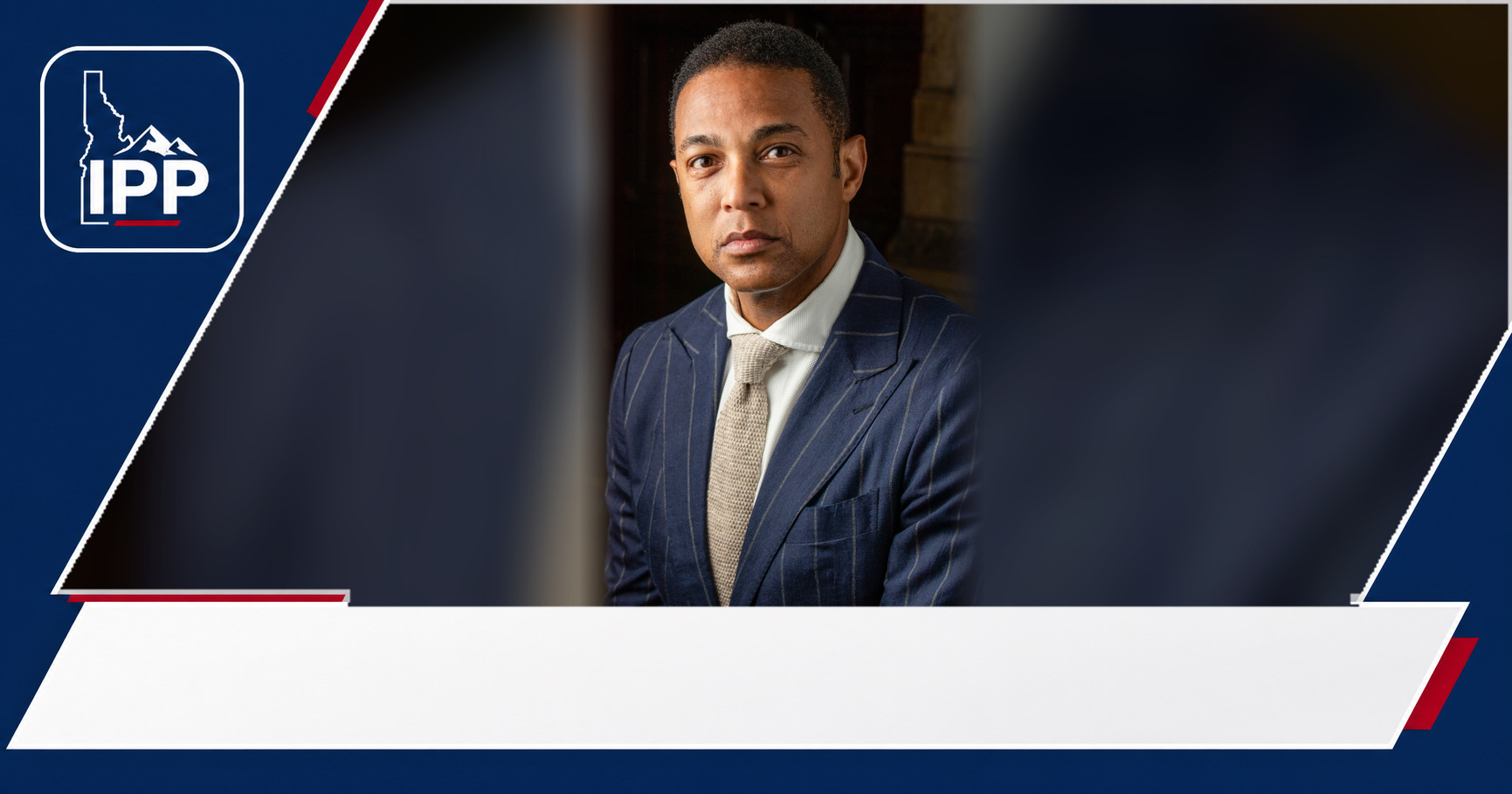
Don Lemon is seeking dismissal of criminal charges tied to his presence at a protest at a Minnesota church, arguing that federal prosecutors brought the case as a vindictive prosecution. Lemon’s motion challenges an indictment connected to a January 18 protest at Cities Church in St. Paul, where an Immigration and Customs Enforcement official serves as a pastor.
The former CNN anchor says he was there as an independent journalist documenting events, not as a member of the group that entered the church. The distinction matters because the government’s case alleges a conspiracy that interfered with worshippers’ First Amendment rights, while Lemon’s defense presents the prosecution as an improper response to protected newsgathering and criticism of those in power.
Lemon’s motion challenges the indictment
A motion to dismiss is an early attempt to persuade a judge that a criminal case should not proceed, either because of a legal defect in the charges or because the circumstances of the prosecution violate constitutional protections.

Lemon’s argument, as reported by CNN, is that he had become a target of President Donald Trump before he was indicted. His claim of vindictive prosecution is not simply a denial that wrongdoing occurred. It alleges that prosecutors acted for an impermissible reason rather than applying the law evenhandedly.
That is a high-stakes assertion, but it is also a difficult one to establish. Courts generally presume prosecutors act properly, and defendants seeking dismissal on vindictiveness grounds typically must show evidence that the government’s charging decision was driven by retaliation or another prohibited motive.
A judge could reject the request while allowing Lemon to contest the evidence later at trial. The motion does not decide guilt or innocence, and the filing itself is not proof that the government acted improperly.
The charges stem from a church protest
The indictment arises from a protest during a Jan. 18 service at Cities Church in St. Paul. According to the indictment published by PBS NewsHour, a federal grand jury charged Lemon, independent journalist Georgia Fort and others with conspiracy and with interfering with worshippers’ First Amendment rights.
The protest was connected to opposition to immigration enforcement. The church’s pastor was identified in reporting as a U.S. Immigration and Customs Enforcement official, a fact that placed the congregation at the intersection of a broader political fight over immigration policy and federal enforcement.
Prosecutors’ theory, as reflected in the charges, is focused on the disruption of a religious service and the rights of people attending it. The case is therefore not solely about what anyone thought of ICE or the protest’s message; it is also about whether conduct at the church crossed a line into federally chargeable interference.
For worshippers and church leaders, the alleged disruption raises an obvious concern: religious services depend on the ability to gather without intimidation or interruption. For protest organizers and journalists, the episode has prompted questions about the boundaries between direct action, observation and criminal liability.
His defense turns on reporting
Lemon has said he had no affiliation with the organization that went into the church and that he attended as a solo journalist chronicling the protest. His attorney, Marilyn Bednarski, previously said he planned to plead not guilty and fight the charges in Minnesota.
That account supplies the central factual divide. Being present with a camera or reporting tools is not, by itself, the same as joining a conspiracy. But prosecutors may seek to establish participation through communications, planning, coordination, conduct at the scene or other evidence beyond a person’s physical presence.
The public record described in the available reporting does not resolve what evidence the government says links Lemon to the alleged conspiracy, nor does it establish whether the court will find his reporting explanation persuasive. Those questions are likely to shape both the dismissal fight and any later proceedings.
The case also arrives at a fraught moment for journalists covering protests. Reporters often work close to volatile events, and their proximity can make their roles harder to assess after the fact. News coverage does not create immunity from generally applicable laws, but the First Amendment concerns become sharper when charges are tied to the act of documenting a protest.
What vindictive prosecution means
“Vindictive prosecution” has a specific legal meaning that is narrower than a claim that a case is unfair or politically charged. A defendant generally needs to connect the prosecution to retaliation for exercising a protected right, such as speech, association or a legal challenge.
The government, in turn, can argue that the charges rest on evidence developed through a legitimate investigation and a grand-jury indictment. A grand jury’s decision to indict is significant, though it does not make the prosecution immune from judicial review.
Lemon’s assertion places his case inside a larger argument about whether high-profile journalists and political critics are being treated differently from other people accused of comparable conduct. Supporters may view the prosecution as a warning to reporters covering anti-immigration protests. Others may argue that neither fame nor a press role should shield someone from charges if prosecutors can prove active involvement in unlawful disruption.
Both concerns can coexist. The legal system must protect people’s right to worship and the government’s ability to address actual conspiracies, while also guarding against criminal charges being used to punish reporting or political expression.
The judge will decide the next step
The immediate issue is whether Lemon’s motion identifies grounds strong enough to dismiss the indictment or require further court review. Prosecutors will have an opportunity to respond, and the judge may decide based on written filings or schedule additional argument.
If the request is denied, the case would continue through the usual pretrial process, which can include disputes over evidence, witness testimony and the legal instructions a jury would receive. Lemon would still be presumed innocent unless the government proves its case beyond a reasonable doubt.
If any portion of the indictment is dismissed, that would not necessarily end the entire case. Judges can dismiss individual counts, allow prosecutors to revise allegations in some circumstances, or reject a motion without foreclosing later defenses.
For now, Lemon’s filing makes the competing narratives unusually clear. Federal prosecutors are pursuing charges connected to a disrupted church service. Lemon says he was reporting on that event and has been singled out through a vindictive prosecution. The court’s next rulings will determine whether that constitutional claim gains traction or remains a defense to be tested alongside the government’s evidence.





Leave a Reply