
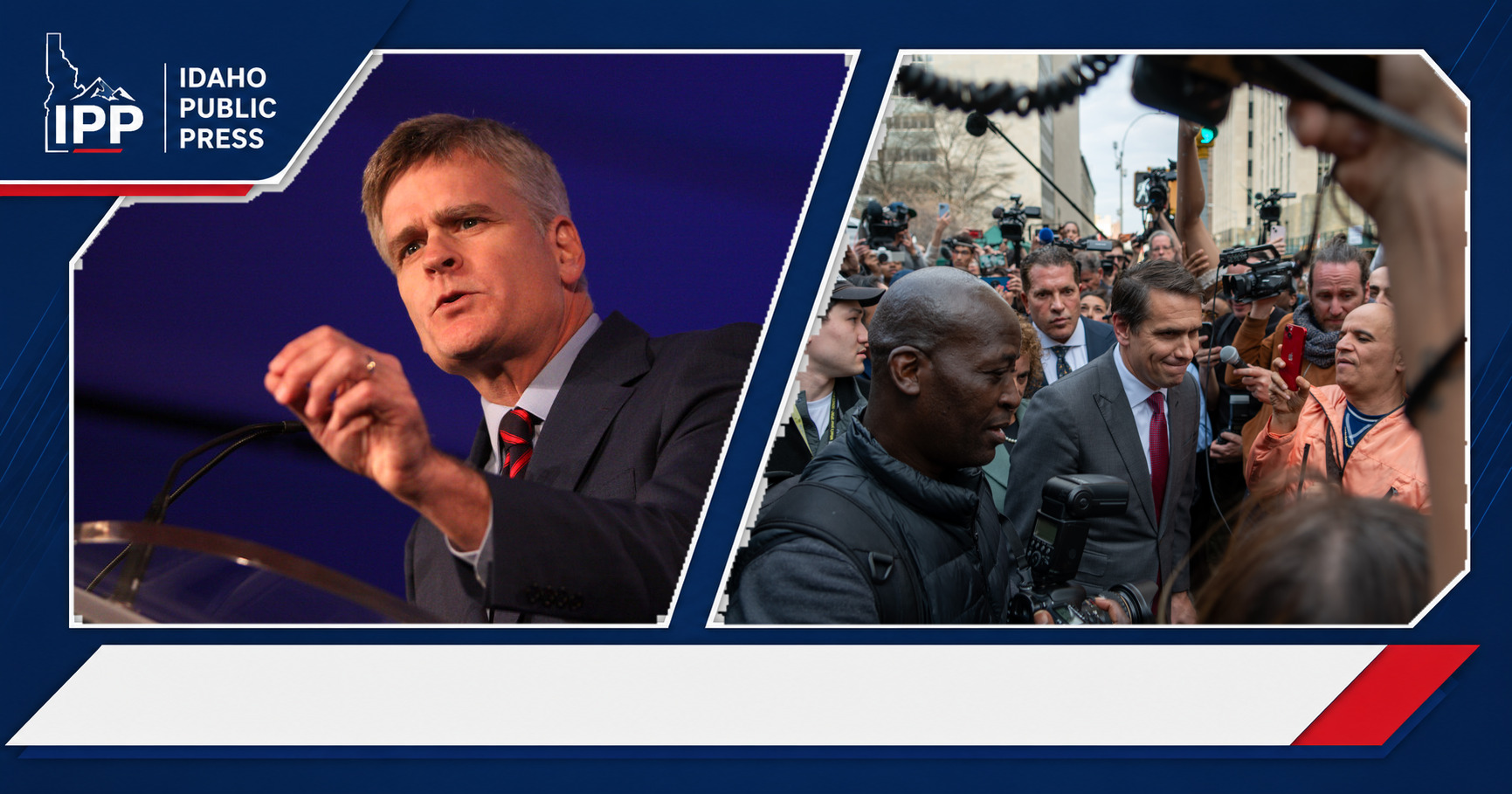
Cassidy’s backing improves the outlook for Todd Blanche, but it does not itself make him attorney general. The Senate still has procedural and final-vote steps to complete.
Todd Blanche won support from Republican Sen. Bill Cassidy for his attorney general nomination, a development likely to help clear the way for Blanche’s Senate confirmation. Blanche is nominated to become attorney general and lead the Department of Justice, and Cassidy’s decision matters because the nomination has already moved into active Senate consideration.
The immediate story is not that Blanche has been confirmed. It is that a Republican senator whose position had drawn close attention has backed him, strengthening the nominee’s path as senators work through the final procedural stages.
Cassidy’s support changes the math
In closely watched confirmation fights, an individual senator’s position can become more important than a broad statement of party support. Cassidy’s backing gives Blanche a public vote-counting advantage at a point when the Senate is already considering the nomination.

That is why the endorsement is being treated as a potentially decisive signal. It reduces uncertainty around one key vote and makes a successful outcome more plausible, particularly if the nomination’s other supporters remain aligned.
Still, support from Cassidy is not the same as a completed roll-call result. Senate confirmations are decided by votes and formal procedural actions, not by endorsements alone.
The nomination is already on track
Congress.gov identifies Blanche, of Florida, as the nominee to be attorney general at the Department of Justice, replacing Pamela Bondi. The president sent the nomination to the Senate on June 8, 2026, and it was referred to the Senate Judiciary Committee.
The committee held hearings on July 15 and July 16. On Aug. 4, the committee ordered the nomination reported favorably, and the nomination was placed on the Senate Executive Calendar.
The following day, according to the congressional record, the Senate agreed by voice vote to proceed to executive-session consideration of the nomination. A cloture motion was also presented on Aug. 5, a sign that Senate leaders were using the chamber’s formal process to move the matter forward.
- June 8: Blanche’s nomination was received by the Senate.
- July 15-16: The Senate Judiciary Committee held hearings.
- Aug. 4: The committee reported the nomination favorably and it reached the Executive Calendar.
- Aug. 5: The Senate began executive consideration and a cloture motion was presented.
What cloture does—and does not—mean
Cloture is a procedural tool used to limit further debate and move a matter toward a vote. Its presence on Blanche’s nomination shows that the Senate process has advanced beyond the committee stage, but it does not establish that the Senate has finished acting on the nomination.
For readers tracking the status, the distinction matters. A nomination can be reported by committee, placed on the calendar, brought up for consideration and still await a final confirmation vote.
The available congressional record lists the cloture motion as the latest action on Aug. 5. It does not, in the material available here, show a final confirmation vote or Blanche being sworn in as attorney general.
Why the Justice Department job matters
The attorney general leads the Department of Justice, the federal department responsible for enforcing federal law and overseeing major law-enforcement and legal functions. A confirmation fight for that post therefore reaches beyond a personnel decision: it shapes who will direct one of the government’s most powerful institutions.
That role also makes Senate scrutiny expected. Supporters of a nominee generally focus on qualifications, management and legal judgment. Critics may concentrate on independence, past legal work, priorities for enforcement and how a nominee would handle the department’s politically sensitive cases.
The research provided does not detail Cassidy’s reasoning or identify the arguments made for and against Blanche during the hearings. That missing context remains important, because an endorsement can reflect confidence in a nominee, a judgment about the available alternatives, or both.
A boost, not a final result
Cassidy’s support gives Blanche a clearer route to confirmation, especially because the nomination is already before the full Senate. The endorsement’s practical value is that it narrows the list of uncertain votes at a critical moment.
But the remaining questions are procedural as well as political: whether cloture will be invoked if needed, when the Senate will schedule its final action and whether any other senators will break from their expected positions.
For now, the verified picture is straightforward. Blanche’s attorney general nomination has cleared the Judiciary Committee and entered Senate consideration; Cassidy has backed him; and the Senate has not yet recorded a final confirmation in the congressional actions available for review.
What to watch next
The next meaningful update will be a Senate vote or an official change in the nomination’s status on Congress.gov. A successful confirmation would complete the Senate’s constitutional advice-and-consent role and allow Blanche to take the post.
Until then, describing Cassidy’s backing as a major opening rather than a completed victory is the most accurate reading. It may pave the way for confirmation, but the chamber still has to deliver the outcome on the record.







Leave a Reply