
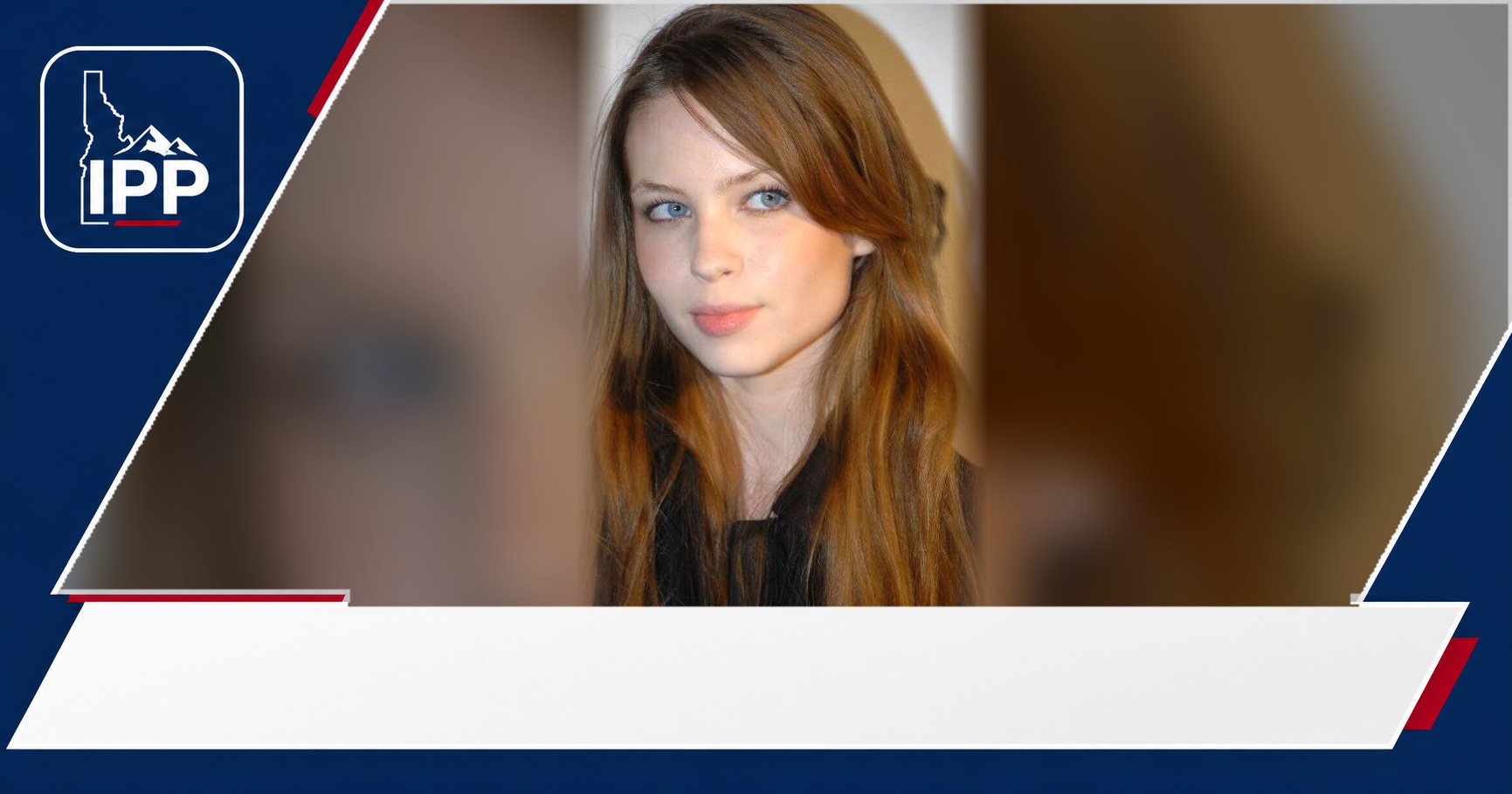
Chase made an unusually lasting mark on 2002 movies by bringing warmth to Lilo and terror to Samara. Her death at 35 has put renewed focus on two performances that reached very different generations of viewers.
Daveigh Chase died at age 35, according to reports confirmed by her father. Chase starred in The Ring as Samara and voiced Lilo in Disney’s Lilo & Stitch, two sharply different 2002 roles that made her familiar to both family-film audiences and horror fans.
Her death has drawn attention to the unusual reach of a performer whose work could be heard in one of Disney’s most enduring animated films and seen in one of the era’s most recognizable horror remakes. The reported cause was complications of bacterial meningitis and a blood infection, her father told The New York Times.
Two 2002 roles, lasting impact
For many viewers, Chase will always be Lilo: the imaginative, lonely Hawaiian girl at the center of Lilo & Stitch. She auditioned for the part at age 8 and was nearly 12 when the film arrived in theaters, according to the Associated Press.
The character required more than a cute or comic delivery. Lilo is grieving, stubborn, funny and intensely protective of the family she has left. Chase’s performance helped give the film its emotional weight alongside the chaos created by Stitch, the blue alien Lilo brings home.
That same year, Chase took on a role built to unsettle audiences. In Gore Verbinski’s American remake of The Ring, she played Samara Morgan, the long-haired child whose presence is tied to a cursed videotape.
The contrast was striking: one young character gave a Disney film much of its heart; the other became an instantly recognizable image in early-2000s horror.
Samara became a horror fixture
The Ring, starring Naomi Watts, was released in the United States roughly four months after Lilo & Stitch, according to the Times. Chase’s portrayal of Samara relied heavily on movement, expression and menace rather than conventional dialogue.
It was a breakout role that turned an unsettling visual — dark hair, a pale face and a television screen — into a durable piece of pop-horror iconography. The character’s influence extended well beyond the film’s original release, surviving in parodies, Halloween costumes and the continuing popularity of supernatural horror.
Chase won an MTV Movie Award for best villain for the performance, the AP reported. That recognition captured a key part of the role’s cultural footprint: Samara was frightening not because she had grand speeches, but because Chase made her feel difficult to forget.
The performance also complicates the familiar idea of a child actor being defined by one type of part. Chase’s best-known work landed at opposite ends of the emotional spectrum in the same year.
Lilo’s voice carried real feeling
Disney’s Lilo & Stitch was a commercial hit, taking in more than $274 million worldwide, according to Box Office Mojo figures cited by the Times. The film has remained visible through sequels, television spinoffs, streaming and a newer live-action adaptation.
Its staying power rests partly on the relationship between Lilo and her older sister, Nani. The movie’s family story, including its use of the Hawaiian concept of ohana, asks young viewers to take loss and instability seriously without losing its playful energy.
Chase’s voice work was central to that balance. Her Lilo could sound mischievous one moment and profoundly vulnerable the next, making the character feel like a child rather than a standard animated sidekick.
She received a Young Artist Academy award for best performance in a voice-over role by an actor age 10 or younger. For an audience that grew up replaying the movie, news of her death may be tied as much to that voice as to her on-screen horror work.
A career beyond the two roles
Chase also had a voice role in the English-language version of Hayao Miyazaki’s Spirited Away, the AP reported. Her other credited screen work included the 2001 film Donnie Darko and the television series Oliver Beene.
Those projects show a career that began early and moved between live action, voice performance, independent-minded film and mainstream entertainment. Yet Lilo and Samara remained her defining public roles because each became attached to a movie with an audience far larger than its original release window.
That can be a complicated legacy for actors who work as children. Audiences preserve a character at a single age, while the person who played that character goes on to live a life mostly beyond public view.
Coverage of Chase’s death has included personal details reported by her father. Those details do not change the basic fact of her professional legacy: her performances are still being rediscovered by viewers who encounter the films years later.
What has been confirmed so far
The AP reported that Chase died in Los Angeles and that her father, John David Schwallier, confirmed to the Times that she died from complications of bacterial meningitis and a blood infection. TMZ first reported that she died Tuesday, the AP said.
There are still limits to what has been publicly established. The available reports center on her father’s account, and no broader public statement from a representative or studio was included in the reporting reviewed here.
In stories involving a death, early reports can develop as relatives, representatives and institutions release additional information. The confirmed point is that Chase, whose work helped shape two very different 2002 hits, died at 35.
Her career is likely to be remembered through that unexpected pairing: Lilo, a child searching for connection, and Samara, a character who made moviegoers wary of a flickering television screen.
Why audiences remember Daveigh Chase
Chase’s most famous performances were not simply successful credits. They became reference points for viewers who grew up with the films, whether they first met Lilo on a family movie night or watched The Ring with the lights on.
The roles also demonstrate how voice acting and physical screen acting can create equally durable cultural memories. One performance was built from warmth, timing and emotional honesty; the other from controlled unease.
That range is the clearest reason Chase’s death has resonated. Her best-known characters occupy radically different worlds, but both left viewers with the sense that they had encountered someone real enough to remember.



Leave a Reply