
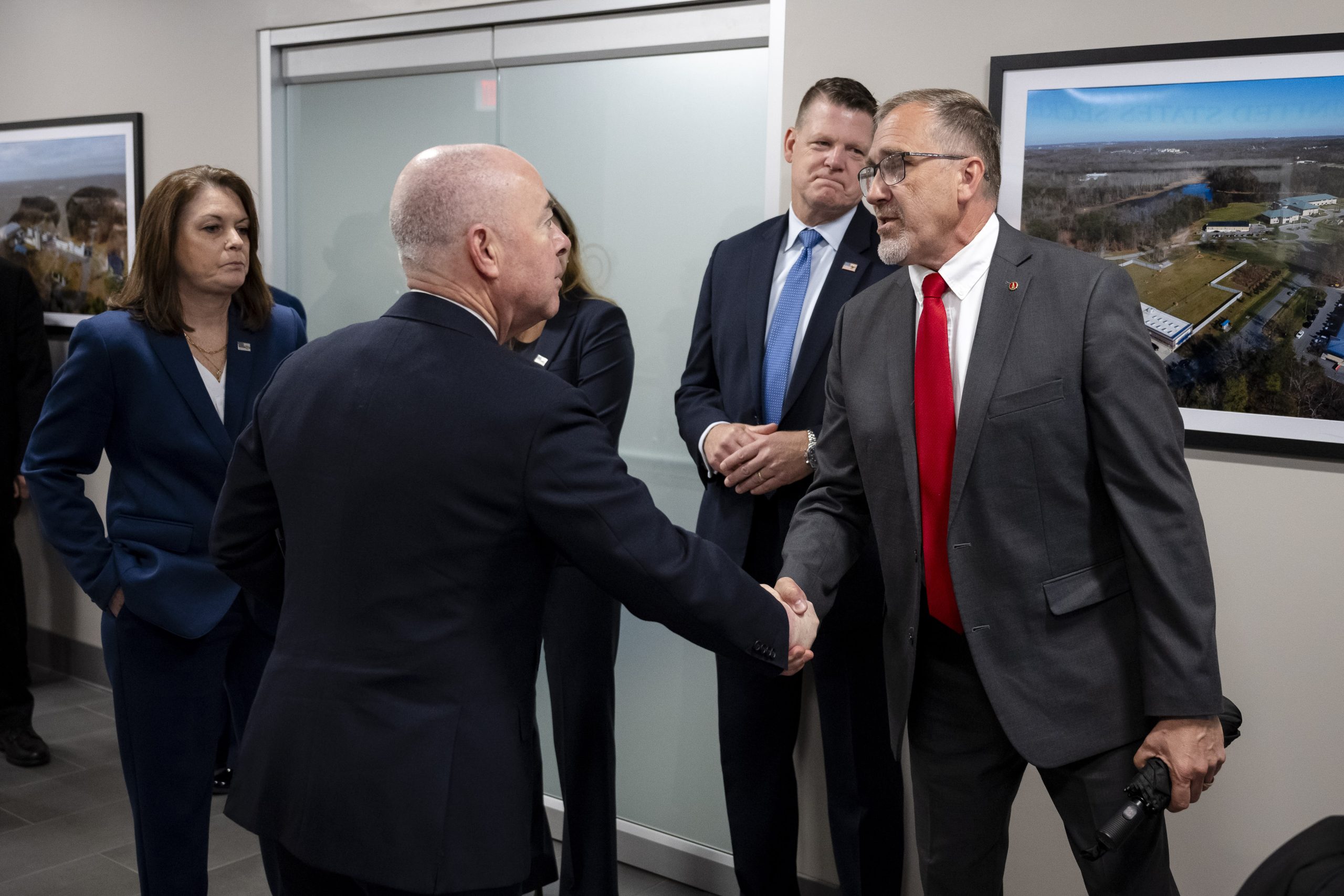
The review centers on alleged disclosures about Vance’s travel and strains inside his security detail. It lands as Washington is already fighting over leaks, press reporting and operational security.
A Secret Service agent on J.D. Vance’s detail was put on leave in Washington after the agent was suspected of leaking information, and the U.S. Secret Service is conducting an internal review, according to reporting from CNN and KCRA. The review centers on alleged disclosures tied to a news story about Vice President JD Vance’s travel and his protective detail.
The matter matters now because the information reportedly included operational details about Vance’s planned movements, the kind of material security officials work hard to keep controlled. It also comes as the Trump administration has escalated its broader campaign against unauthorized disclosures to the press.
What the leak review centers on
The agent, assigned to Vance’s security detail, has been placed on administrative leave while the Secret Service’s internal affairs component conducts a review, a source familiar with the matter told CNN. A second source confirmed that officials had identified a person believed to have been leaking information about Vance.
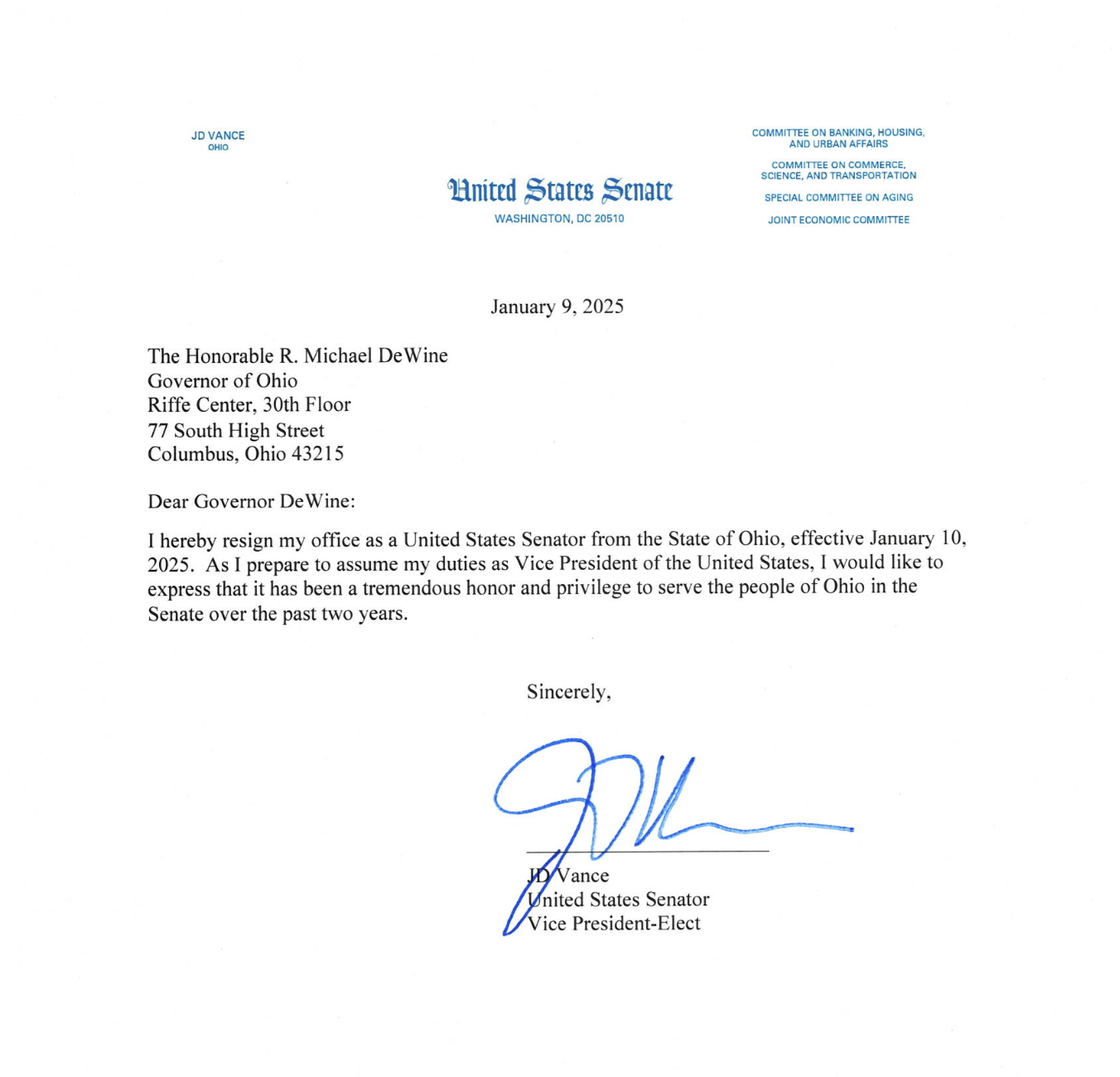
The suspected leak was linked to a recent MS NOW story about reported frustration among agents on Vance’s detail over the burden created by personal and family travel requests. That story also described aspects of Vance’s planned travel, including a plan for him to fly with his son on a Marine Corps helicopter to a golf lesson, according to the CNN-linked report carried by KCRA. Those plans were later aborted.
That is the core allegation, as currently reported: not that the agent disclosed classified war plans or intelligence material, but that someone on or near the detail allegedly provided information about the vice president’s movements and the internal strain around them. For protective work, that distinction may not make the matter minor.
Why travel details raise alarms
Protective details are built around control: who knows a protectee’s route, timing, aircraft use, destination and last-minute changes. When those details appear in public before or near the time of movement, security officials tend to see more than workplace gossip.
The Secret Service describes its protective mission as creating a “total protective environment” for those under its care. That environment can include advance planning, airspace security, site surveys, motorcade logistics and coordination with other federal, state and local agencies.
Even a detail that sounds mundane to the public, such as a family trip, a golf lesson or a helicopter movement, can carry practical security value. It can reveal patterns, preferences, pressure points or the kind of short-notice demands that stretch a team.
That is why the reported reaction inside government was sharp. According to the KCRA account of CNN’s reporting, the story drew attention from Secret Service, FBI and White House officials, who were upset that operational details had been described in the press.
What remains unproven
The agent has not been publicly named in the available reporting, and the facts have not been tested in a public proceeding. Administrative leave is not the same as a finding of wrongdoing. It is a common step when agencies want to remove an employee from sensitive duties while they examine what happened.
Several important questions remain open. It is unclear what evidence investigators believe links the employee to the alleged disclosures. It is also unclear whether the review will end with internal discipline, no action, or a referral that could raise the possibility of criminal charges.
CNN’s reporting, as carried by KCRA, says it is not yet clear whether any administrative punishment or criminal charges could be forthcoming. That uncertainty is significant. Leak inquiries can move quickly inside an agency, but proving who shared what, with whom and under what authority is often far more complicated.
MS NOW did not immediately respond to a request for comment, according to the report. The original story at issue remains part of the public record, but the government review is focused on whether protected or sensitive operational information was improperly shared.
The press and security collide
This is where the case becomes more than an internal personnel matter. Journalists often rely on confidential sources to expose dysfunction, waste, unsafe working conditions or government overreach. Security agencies, by contrast, often view leaks from inside protective operations as a direct risk to the people they are assigned to protect.
Both concerns can be real at the same time. Reporting on morale or strain inside a vice president’s detail may serve a public interest, especially if it points to resource problems or unusual demands on federal personnel. But publishing specific travel details can create security concerns that are not theoretical for an agency built around prevention.
The line is not always obvious from outside. A source may believe they are describing frustration inside a workplace. An agency may believe that same description reveals vulnerabilities. Editors may judge that the public interest outweighs the risk, while officials may argue that even partial details can compromise a protective plan.
That tension has long shaped national security and law enforcement reporting in Washington. What makes this case especially sensitive is the source’s alleged proximity to the protectee. A leak from a distant policy office is one thing; a leak from a protective detail suggests the possible exposure of the machinery around a sitting vice president.
A broader crackdown backdrop
The review also lands against a more aggressive leak-enforcement backdrop. The Trump administration has vowed to crack down on what it considers unauthorized disclosures to the press, according to the same report.
Earlier this month, four New York Times reporters received subpoenas to testify before a federal grand jury in connection with an investigation into their reporting about security features aboard a new presidential aircraft gifted to President Donald Trump by Qatar. That separate matter has intensified concerns among press advocates about government pressure on reporters and their sources.
The Vance-detail case is different in key ways. It involves a protective agent’s alleged conduct, not subpoenas to reporters. Still, both episodes sit inside the same larger argument over leaks: when disclosure serves accountability, when it endangers security, and how far the government should go to identify sources.
For the Secret Service, the immediate concern is narrower and more operational. If a member of a protective team is believed to have shared travel information without authorization, the agency has to determine whether that was a one-time breach, part of a broader pattern or a symptom of deeper problems inside the detail.
What happens next
The internal affairs review will likely examine access, communications and timing: who knew the travel details, when they knew them, and whether any records or witness accounts tie the agent to the information that appeared in the news story. Investigators may also look at whether procedures for limiting sensitive travel information were followed.
Possible outcomes range from the agent returning to duty to discipline, reassignment, termination or referral to prosecutors. At this stage, none of those outcomes has been confirmed.
The case also puts quiet pressure on Vance’s protective operation. Even if the alleged disclosure was limited, details may be tightened, access may be narrowed, and agents may face new reminders about what can and cannot be shared outside official channels.
The clean takeaway is that the Secret Service is treating the alleged leak as a security matter, not just an embarrassment. Until the internal review is complete, the public knows the broad outline: a Vance-detail agent is on leave, investigators are examining suspected disclosures about travel, and Washington’s fight over leaks has moved directly into the machinery of vice presidential protection.

Leave a Reply