
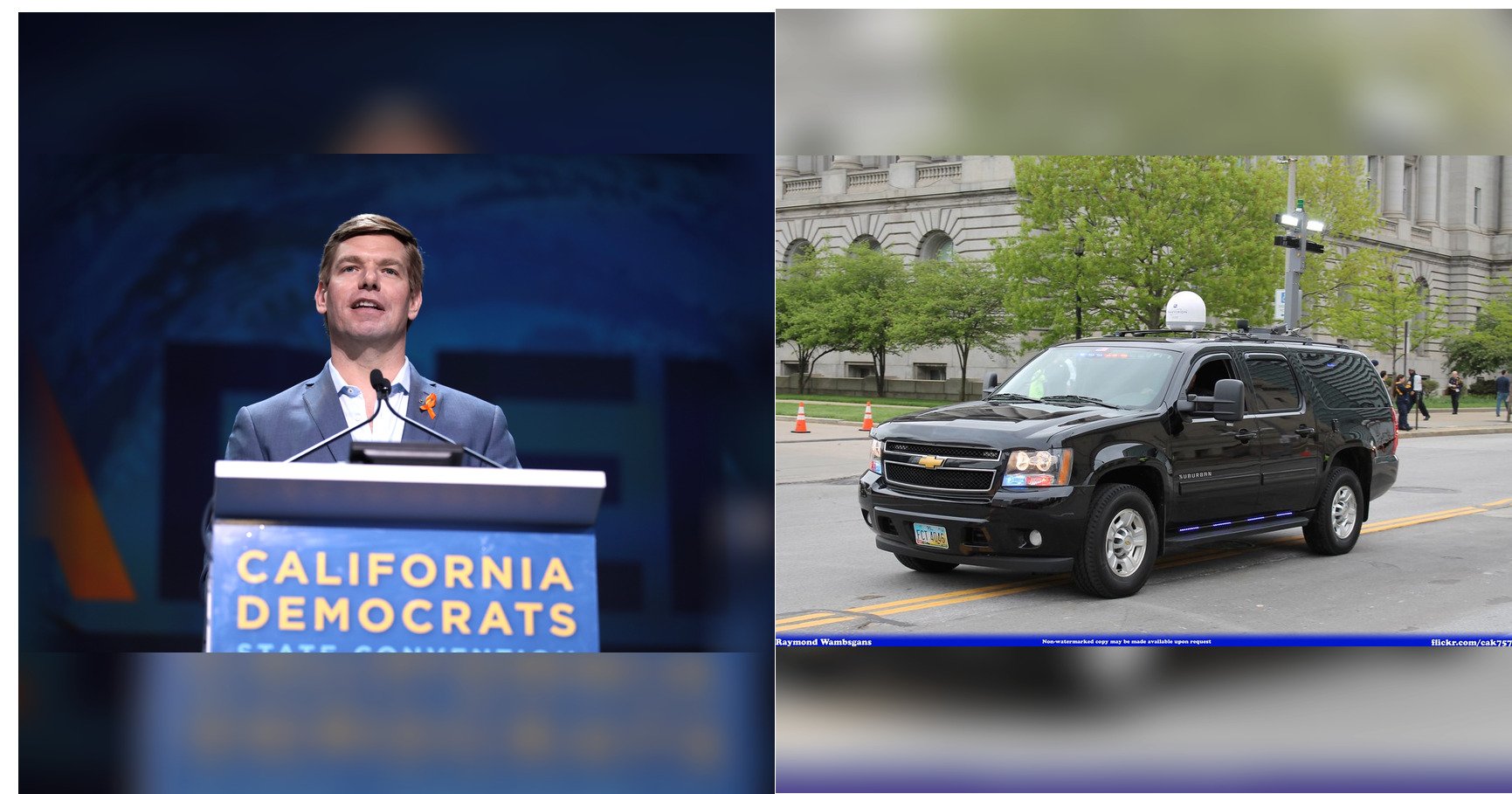
The search warrant activity marks a more visible stage in an investigation involving former California Rep. Eric Swalwell. It does not, by itself, establish criminal charges or wrongdoing.
The FBI seized Eric Swalwell’s phone and other electronic devices and searched Eric Swalwell’s home as part of a federal investigation, according to NBC News. Agents reportedly took an iPhone and MacBook Pro from the former congressman at San Francisco International Airport, then searched his Washington, D.C., residence the following day.
The warrant activity puts a sharper public focus on allegations of sexual misconduct against Swalwell, which he has denied. A search and seizure can indicate investigators believe material may be relevant to an inquiry, but it is not a criminal charge and does not determine guilt.
Devices taken under a warrant
NBC News, citing a person familiar with the matter and a copy of the warrant it obtained, reported that FBI agents stopped Swalwell at the San Francisco airport on a Saturday evening and seized an iPhone and MacBook Pro.
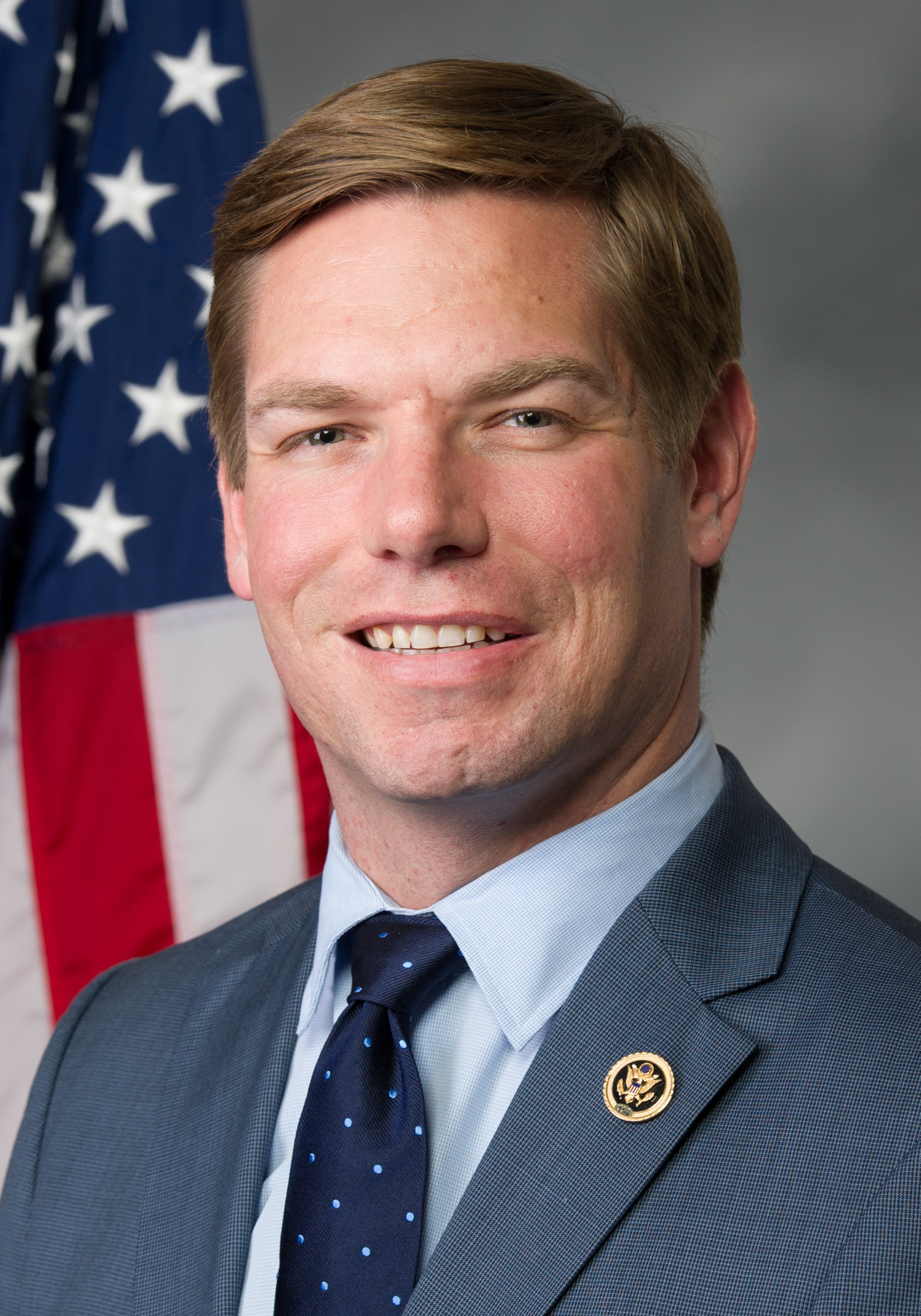
The reported device seizure occurred during the execution of a search warrant. The next day, agents searched Swalwell’s Washington home, according to the same source.
The FBI declined to comment to NBC News. Swalwell and an attorney for him did not immediately respond to the network’s requests for comment about the searches.
That silence leaves important basics unknown publicly: what specific evidence investigators sought, what time period the warrant covered, whether data was copied from the devices, and whether investigators removed anything from the residence.
The investigation’s reported focus
People familiar with the matter told NBC News that the search and device seizure were connected to an investigation into sexual misconduct allegations involving Swalwell.
The allegations became public in April after the San Francisco Chronicle reported the account of a former aide who said Swalwell sexually assaulted her on two occasions when she was too intoxicated to consent. NBC News reported that a source familiar with the woman’s account confirmed the Chronicle’s reporting.
CNN later reported allegations from four women, according to NBC News. One of the women, Democratic influencer Ally Sammarco, said Swalwell sent her unsolicited explicit photos; NBC reported that she confirmed her account to the outlet.
Another woman, model Lonna Drewes, accused Swalwell of drugging, raping and choking her in a California hotel in 2018, according to NBC News. Drewes filed a report with the Los Angeles County Sheriff’s Department after speaking publicly about her accusation.
Swalwell has denied wrongdoing
Swalwell has forcefully denied the accusations. In an April social-media video cited by NBC News, he called the sexual-assault allegations “flat false,” said they never happened and said he would fight them.
He also denied Drewes’ allegation, NBC reported. Those denials are central to understanding the case: the public allegations remain contested, and the FBI has not announced criminal charges against Swalwell.
Swalwell, a Democrat who represented a California district in Congress from 2013, resigned his seat in April amid the allegations, according to NBC News. Before leaving office, he was known nationally as a House impeachment manager during President Donald Trump’s 2021 impeachment trial.
The contrast between serious public accusations and a categorical denial is why investigators’ next steps matter more than speculation about the search itself.
Why a search warrant matters
Federal agents generally need judicial authorization to search a home or seize personal devices, absent a recognized exception. A warrant means investigators presented a judge with information intended to establish probable cause that evidence of a crime could be found in the place or property to be searched.
That standard is significant, but limited. Probable cause is not proof beyond a reasonable doubt, and it is not a finding that a person committed a crime. Search warrants can be used to preserve communications, location data, files, photographs or other material investigators believe could help confirm or challenge accounts.
Electronic-device searches can also take time. Investigators often must sort through large volumes of personal and professional information while operating within the scope authorized by the warrant and applicable legal protections.
For Swalwell, the reported seizure may create questions about material connected to his public work as well as his personal life. The publicly available reporting does not establish what investigators were permitted to review or whether any privileged material is at issue.
Multiple jurisdictions remain involved
The federal inquiry is not the only reported investigative track. NBC News said California and New York state investigators were also looking into allegations because alleged conduct occurred in both states.
The Manhattan district attorney’s office declined comment on the federal searches, NBC reported. Washington, D.C., U.S. Attorney Jeanine Pirro had previously said on social media that her office was seeking information concerning alleged sexual or inappropriate conduct by Swalwell in the district.
FBI Director Kash Patel also posted a public request for information about Swalwell, according to NBC News. Public appeals can help investigators identify potential witnesses or gather additional leads, though they do not reveal the evidence already in authorities’ possession.
Attorneys for one accuser said their client had not spoken with the FBI but had communicated with the Los Angeles County Sheriff’s Department. That illustrates another unresolved question: how much coordination, if any, exists among the various agencies and prosecutors’ offices.
What to watch from here
The clearest next development would be an official filing, a statement from prosecutors, a court challenge over the search, or a formal decision not to bring charges. None of those outcomes has been publicly announced in the reporting available so far.
A search warrant affidavit, if later unsealed, could provide a fuller account of the government’s asserted basis for the searches. Such records are frequently sealed during active investigations to protect witnesses, evidence and investigative methods.
For now, the confirmed public picture is narrow: the FBI reportedly obtained a warrant, seized Swalwell’s phone and computer, and searched his home in an investigation tied to allegations he disputes. The legal significance will depend on what investigators find, how they assess it, and whether prosecutors ultimately bring a case.




Leave a Reply