

The attack is blunt, but the underlying issue is bigger than one presidential son. It points to a recurring ethics fight over family members, private profit and public office.
Donald Trump Jr. is being called the worst presidential relative ever in a Sunday MS NOW article by Paul Waldman that criticizes his shameless corruption and moral repugnance. Waldman argued that Donald Trump’s eldest son is accused of cashing in on his father’s office, making “Worst presidential relative” more than a throwaway insult.
The charge lands because Trump Jr. has long occupied a politically awkward space: not an elected official, but not a normal private businessman either. His role in the Trump Organization, his public advocacy for his father and his access to power have kept ethics questions alive.
The charge behind the insult
Waldman’s argument, as framed by the MS NOW piece, is not simply that Donald Trump Jr. is loud, partisan or unusually visible for a president’s child. The sharper claim is that he represents a modern version of presidential-family influence in which politics, branding and personal enrichment blur in public view.
That is why the phrase “sheer moral repugnance” matters. It is a moral judgment, not a legal finding. But it speaks to a broader frustration among Trump critics: the sense that the former president’s family treated proximity to the White House as a commercial asset.
Trump Jr. has never been just a bystander in his father’s political life. He campaigned, spoke at conventions, amplified MAGA messaging and served as a public defender of Donald Trump’s movement. At the same time, he remained tied to the family business, which made his overseas promotional work especially sensitive.
Supporters would describe that differently. They would argue he was a businessman before his father became president, that presidential relatives do not lose the right to work, and that criticism of him often reflects partisan hostility more than a neutral ethics standard.
The India trip still echoes
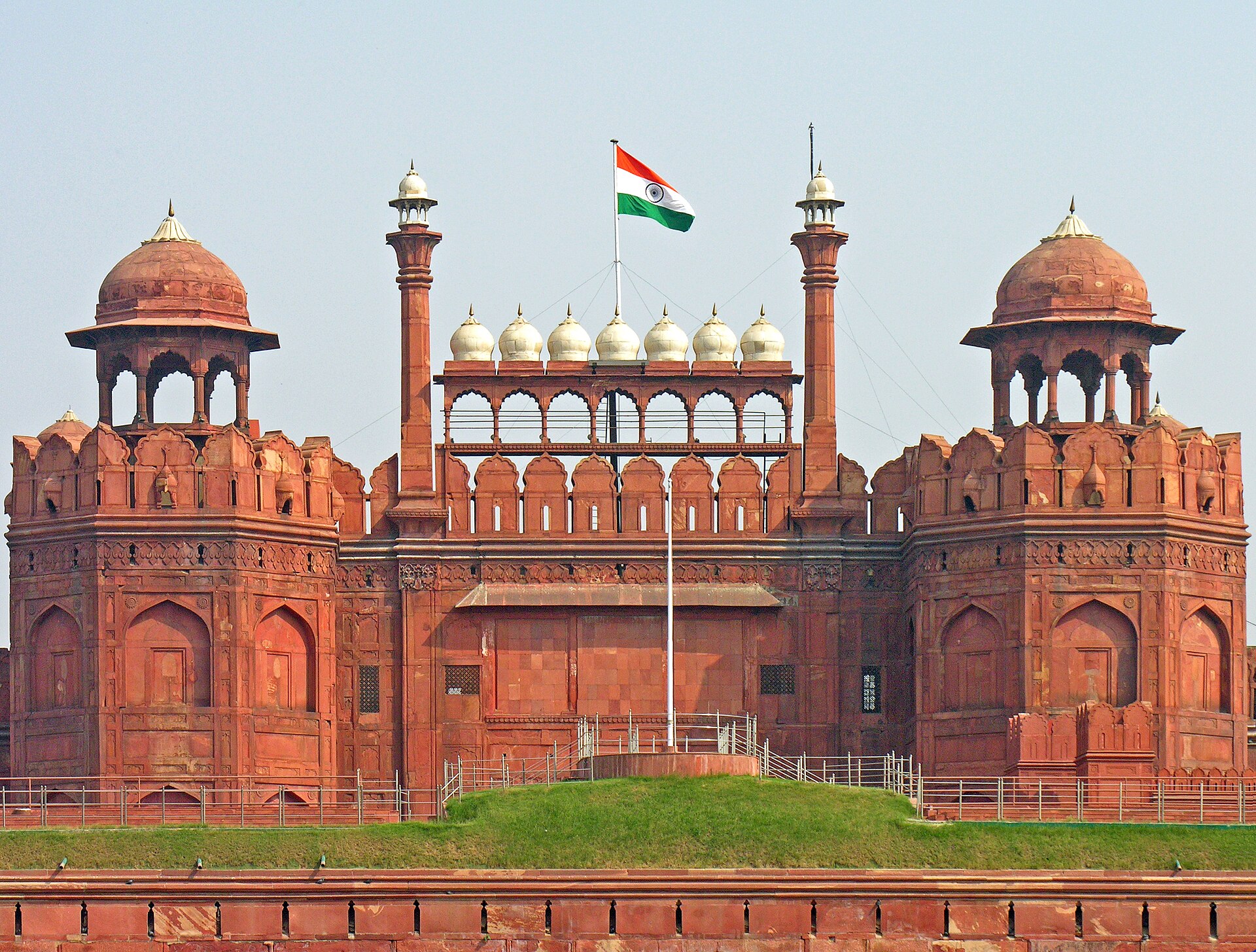
The most concrete example in the record remains Donald Trump Jr.’s 2018 trip to India to promote Trump-branded luxury real estate projects. The Washington Post reported that documents released by the Department of Homeland Security showed the trip cost U.S. taxpayers more than $97,805 for expenses including hotel rooms, airfare, car rental and overtime for Secret Service agents.
The trip took Trump Jr. through New Delhi, Mumbai, Pune and Kolkata, cities where the Trump family had licensed its name to luxury high-rise projects. He attended promotional events, a ribbon-cutting and buyer dinners while still being protected as the president’s son.
One detail became a symbol for critics. Full-page newspaper ads in India offered buyers who put down a $38,000 deposit on a luxury project near New Delhi the chance to dine with the president’s son, according to The Washington Post. Trump Jr.’s team also told reporters that it had sold $100 million worth of apartments, including $15 million in a single day.
None of that, by itself, proves illegality. The Secret Service is authorized to protect the president’s immediate family. But it created an image that was hard for watchdogs to ignore: public resources supporting security for a private business trip that could benefit a company still owned by the president.
The Trump ethics gray zone
The core ethics issue is not that presidential families are protected. They are, and for obvious reasons. The issue is what happens when protected family members travel abroad to promote private ventures tied to the president’s brand.
During Donald Trump’s presidency, this concern was magnified because he did not place his assets in a blind trust, a step previous presidents used to create distance from personal business interests. Trump said he stepped back from day-to-day control of the Trump Organization, while his adult sons, including Donald Trump Jr. and Eric Trump, played major roles in the company.
Jordan Libowitz of Citizens for Responsibility and Ethics in Washington told The Washington Post at the time that the problem was the president’s continued financial connection to the business. In his view, trips by the president’s children to promote the brand could still benefit the president, while taxpayers absorbed the cost of required protection.
That is the gray zone Waldman’s criticism leans into: the conduct may sit somewhere between legal permission and public disgust. For many voters, especially critics of Trump, the question is not only what the law allows but what a president’s family should avoid.
Why Don Jr. draws focus
Donald Trump Jr. draws more attention than many presidential relatives because he combines three roles that usually remain more separate. He is a family member of a president, a political surrogate and a business figure associated with the Trump brand.
That combination gives him influence without the same formal accountability that comes with public office. He can attack political opponents, promote movement figures and help shape the tone of Trump-world politics, all while not having to answer to voters in the way an elected official would.
His defenders see that as a double standard. Presidential relatives from both parties have written books, given speeches, joined campaigns and built careers around famous last names. The children and siblings of presidents are often marketable precisely because of their proximity to power.
The counterargument is that the Trump family’s situation was different in scale and structure. The family name itself was the business product. When Trump Jr. appeared at events for Trump-branded properties while his father was president, critics saw not just celebrity trading but a direct fusion of office, access and brand value.
The taxpayer question
The Secret Service piece is emotionally potent because it translates an ethics debate into public dollars. The Washington Post reported nearly $100,000 in taxpayer costs tied to the India trip, based on DHS documents obtained through a records request.
The documents included 47 pages of purchase orders, requisition forms and planning worksheets. Some records were incomplete, but they gave a window into costs for hotels, vehicles and agent overtime during a promotional tour that benefited Trump-branded real estate projects.
The Post also noted other family-business travel costs. It reported that the government spent about $97,830 for hotel stays for Secret Service and embassy staffers during Eric Trump’s trip to Uruguay, and that CREW said the Secret Service spent $200,000 on airfare, hotel rooms and other expenses when Donald Trump Jr. and Eric Trump traveled to the United Arab Emirates to open a golf resort.
For critics, those figures support the argument that the public was subsidizing the security needs of private brand promotion. For defenders, the costs reflect the unavoidable reality that the president’s family requires protection wherever they go, whether the trip is personal, political or commercial.
What remains unresolved
The revived criticism of Donald Trump Jr. is unlikely to settle the question of whether he is truly the “worst presidential relative.” That label is subjective, and American history has no shortage of powerful relatives, political fixers, controversial siblings and family members accused of trading on access.
What the debate does clarify is the standard at stake. The public can judge conduct that may not be criminal but still appears to exploit public office. Ethics in presidential families often depends on restraint, disclosure and distance from private profit — not just on whether prosecutors can bring a case.
There are still unanswered questions about how future administrations should handle relatives who remain active in business, media or politics. Should presidents be required to fully divest? Should family members face tighter rules when promoting private ventures abroad? Should taxpayers receive clearer accounting of protection costs tied to commercial travel?
Waldman’s language is intentionally harsh. But the reason it traveled is that Donald Trump Jr. remains a stand-in for a larger unease: when a presidency becomes inseparable from a family brand, the line between public service and private gain can look less like a line than a business model.

Leave a Reply