

The demand puts a sharper edge on a question already raised by officials in both parties: how much does the public deserve to know when a senator is away from Congress for health reasons?
Alexandria Ocasio-Cortez is demanding that Mitch McConnell provide a health update or resign, saying on July 23, 2026, that McConnell’s health and ability to serve are under scrutiny after the 84-year-old Kentucky Republican senator was hospitalized in June and issued only a July 12 letter saying he was recovering.
The New York Democrat told reporters that McConnell’s recent explanation was not enough, sharpening a debate already pushed by Kentucky Gov. Andy Beshear and Sen. Josh Hawley over whether constituents are getting a clear account of the senator’s condition and ability to represent them.
Ocasio-Cortez raises the stakes
Ocasio-Cortez’s comments turned a simmering concern into a direct demand: either give the public a fuller update or step aside.
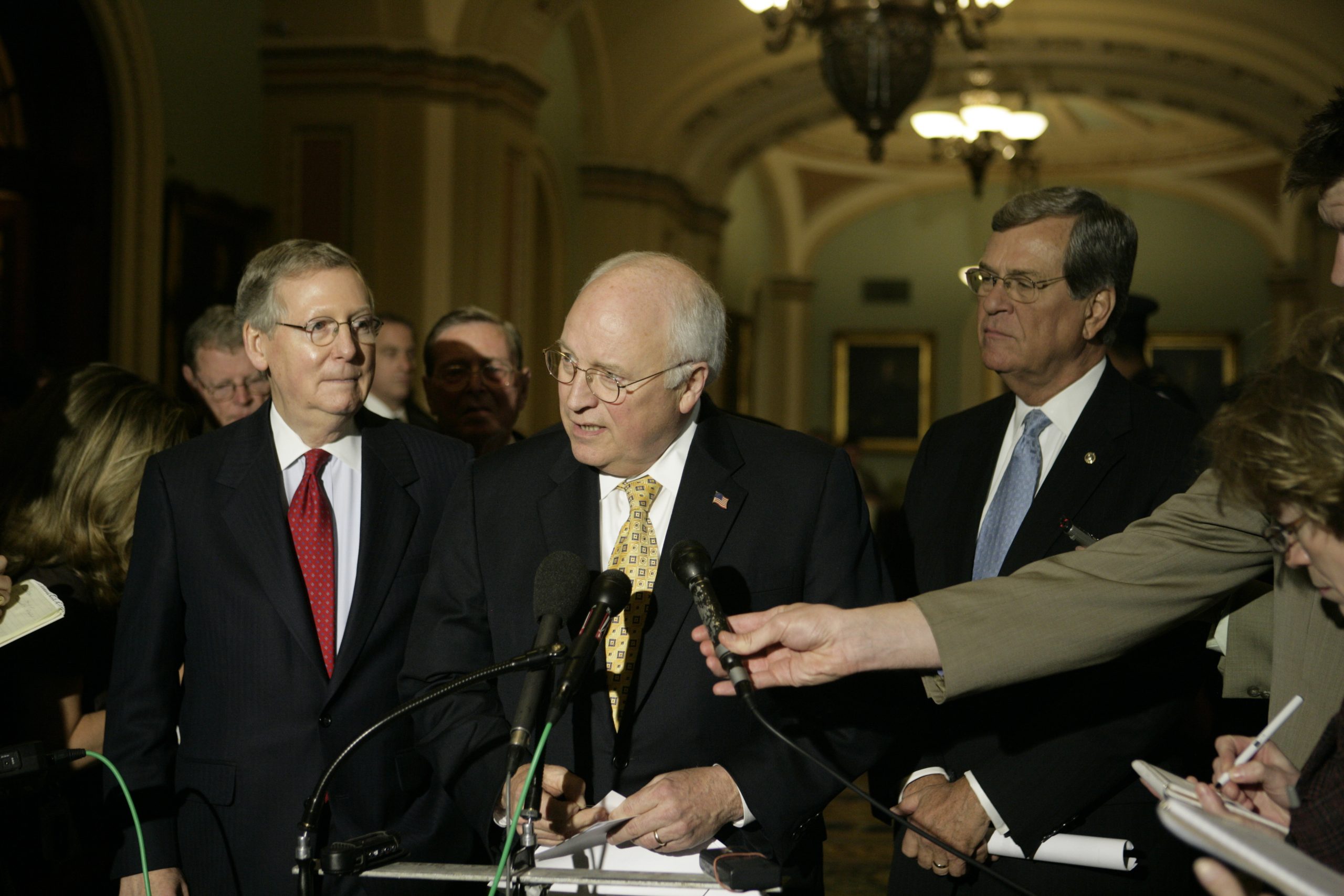
According to USA TODAY, she made the remarks in a video originally posted by MeidasTouch on July 23. Asked about McConnell’s prolonged absence, she said, “If he can’t give us an update, he should resign, absolutely.”
She also tied the issue directly to Kentucky voters, saying it had become clear to people across the state that McConnell’s update was “not sufficient.” That framing matters. Ocasio-Cortez is not one of McConnell’s constituents, and she is a frequent critic of Republican leadership. But the pressure campaign is now centered on a basic question of representation, not just partisan disagreement.
McConnell’s office has said he is recovering and working toward a return to the Senate floor. What critics say is missing is more specific information about his condition, timeline and capacity to serve while absent.
The July 12 letter did not settle it
McConnell’s July 12 letter to constituents said he was recovering in a rehabilitation facility and working to return to the Senate. For supporters, that may be enough: a medical recovery is not a public spectacle, and elected officials do not surrender every detail of their health because they hold office.
For critics, the letter left too many blanks. McConnell had been absent since a June hospitalization, and his team had provided limited updates before the letter. The longer the absence continued, the more the lack of detail became its own political fact.
That is the opening Ocasio-Cortez seized. Her argument is not simply that McConnell is old or unwell. It is that a senator who cannot appear in Congress for an extended period owes voters a clearer explanation of whether he can perform the job.
The difference between “recovering” and “able to serve” is where the dispute sits. One is a medical status. The other is a public-office standard.
Kentucky’s governor asked first
Ocasio-Cortez’s demand landed after Kentucky Gov. Andy Beshear had already pressed McConnell for more information. Beshear, a Democrat, sent a July 8 letter requesting an update on McConnell’s health and well-being, according to a release from the Kentucky governor’s office.
Beshear’s argument was carefully worded but pointed. He wrote that public officeholders commit to representing constituents and being transparent, adding that this requires clear communication about one’s ability to serve.
That matters because the request came from Kentucky’s governor, not just from national Democrats. McConnell has represented Kentucky for decades, serving seven Senate terms after first winning election in 1984. Any uncertainty over his ability to serve is not abstract for the state; it affects one of Kentucky’s two votes in the U.S. Senate.
Beshear’s involvement also makes the issue harder to dismiss as a social-media flare-up. It places the demand inside a formal, state-level accountability argument: Kentucky voters deserve clarity from a senator who has been away from Washington.
Not only Democrats are uneasy
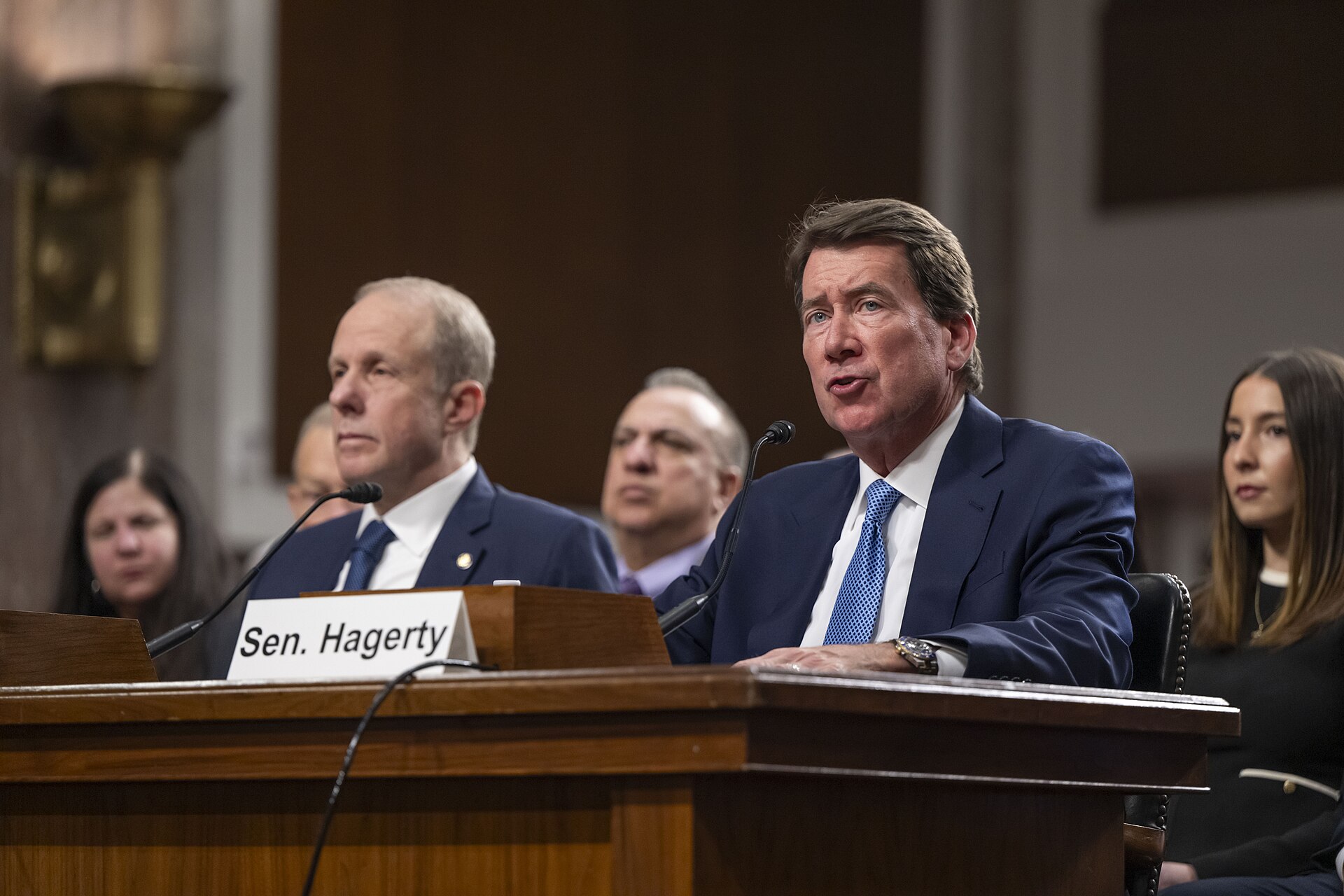
The scrutiny has not come only from McConnell’s ideological opponents. Sen. Josh Hawley, a Missouri Republican, also raised concerns about the length of the absence while wishing McConnell and his family well.
In a Fox News Digital interview published July 19, Hawley said that “at a certain point” there is an obligation to constituents and the country to explain what is happening. That is a notable line because Hawley and McConnell have had their own political tensions, but Hawley’s point was broader than factional Republican politics.
When a senator is absent, the consequences are practical. Votes can be missed. Committee work can be affected. Constituents may wonder who is advancing their interests in daily negotiations, even if staff continue handling casework and office duties.
That does not mean every health detail must be released. It does mean that silence, or near-silence, becomes harder to sustain when the absence stretches from a short recovery into a prolonged disruption.
Privacy versus public duty
Health disclosures by elected officials have always carried tension. Voters have a legitimate interest in knowing whether someone can serve. Public officials have a legitimate interest in privacy, especially when medical information is sensitive, incomplete or still developing.
McConnell’s situation sits squarely in that uncomfortable middle. A full medical chart is not required for public trust. But a vague assurance can start to look insufficient when the person in question holds a powerful federal office and has not been present in Congress for weeks.
There is also an age and succession context that no one in Washington can ignore. McConnell is 84 and one of the most consequential Senate Republicans of the modern era. His health has been publicly scrutinized before, and his influence in the chamber makes any uncertainty about his availability politically meaningful.
Still, the most defensible standard is not whether critics are satisfied or opponents see an advantage. It is whether Kentucky voters can reasonably understand whether their senator is able to do the work they elected him to do.
What remains unclear now
McConnell’s next move is the key unanswered question. He could release a more detailed statement, set a clearer timetable for returning to the Senate floor, authorize a physician’s summary, or continue relying on the July 12 letter and limited office updates.
Each path carries risk. More disclosure could quiet some criticism but invite more probing questions. Less disclosure could preserve privacy but deepen doubts about transparency and fitness to serve.
Ocasio-Cortez’s demand is unlikely to force an immediate outcome on its own. She does not have direct authority over McConnell’s seat, and resignation decisions remain personal and political. But her comments add national pressure to concerns that were already coming from Kentucky and from at least one Republican senator.
The takeaway is simple: this is now bigger than one viral remark. McConnell’s health-related silence has become a public accountability issue, and until he or his office provides more clarity, the pressure for an update is likely to keep growing.








Leave a Reply