

The most explosive part of the allegation is not only the force described. It is the attempt, according to the account, to control who could record it.
A new allegation that masked ICE agents slammed an already restrained man into rocks and then threatened people filming the encounter has struck a nerve because it combines two volatile issues: force used during immigration arrests and the cameras that increasingly decide what the public believes.
The details of that specific encounter remain limited in the available source material. But the allegation lands as ICE and the Department of Homeland Security are already facing pointed questions in Minnesota over another arrest that left a man hospitalized with severe head injuries and prompted scrutiny from local police and the FBI.
The allegation centers on restraint
The central claim is blunt: agents allegedly used force against a man who was already restrained, then turned attention toward bystanders or cameras. If accurate, that sequence matters because restraint changes the public’s expectations of what force can be justified.
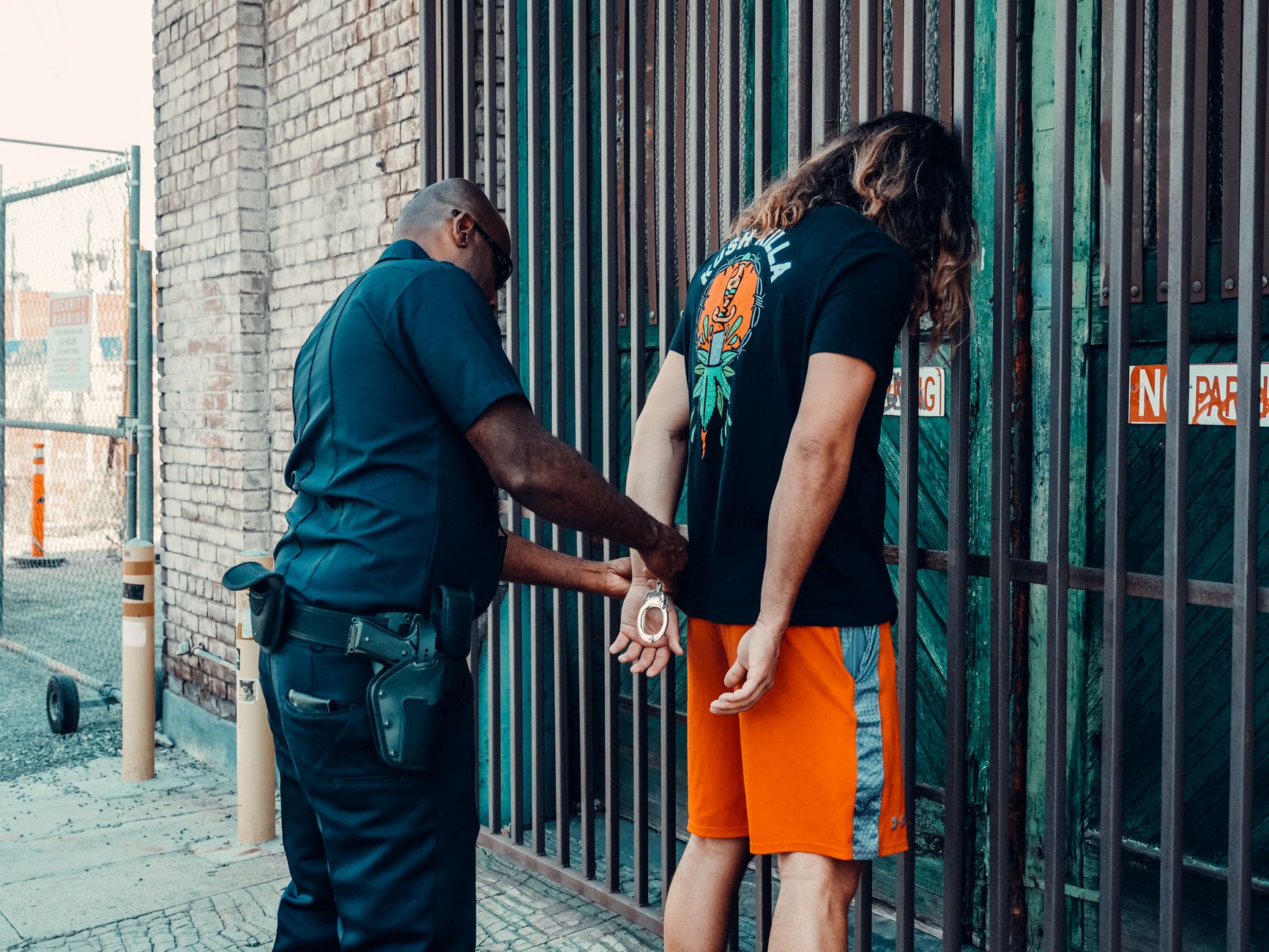
Law enforcement officers are permitted to use force in some circumstances, including during arrests, flight risks or threats to officer safety. But once a person is controlled, the legal and policy questions become sharper: Was there an immediate danger? Was the force proportionate? Was there another way to secure the scene?
Those questions cannot be answered from a title or a fragment of video alone. Clips can omit what happened before or after. Official statements can also be incomplete or self-protective. That is why independent review, body-camera footage, surveillance video and medical records become critical.
The camera threat allegation adds another layer. A bystander recording a public arrest is not a side issue in 2026. It is often the only reason a disputed use-of-force encounter becomes reviewable outside the agency that carried it out.
Minnesota case shows the stakes
The Guardian reported in February that Minnesota and federal authorities were investigating an ICE arrest involving Alberto Castañeda Mondragón, a Mexican citizen who was hospitalized with eight skull fractures after a January arrest in a St. Paul shopping center parking lot.
According to The Guardian’s report, citing the Associated Press and local accounts, Castañeda Mondragón said ICE agents pulled him from a vehicle, threw him to the ground and repeatedly struck him in the head with a steel baton. ICE disputed that account.
The Department of Homeland Security said Castañeda Mondragón attempted to flee while handcuffed and fell, hitting his head against a concrete wall. DHS spokesperson Tricia McLaughlin described the operation as a targeted enforcement action and said the man had overstayed his visa.
The injury evidence is one reason the case drew wider attention. The Guardian reported that hospital staff told the AP a simple fall could not plausibly explain the brain hemorrhaging and fractures to the front, back and both sides of his skull. A doctor cited by the AP said the injuries were inconsistent with a fall.
Video evidence can disappear fast
The Minnesota case also shows how quickly evidence can vanish. Investigators from the St. Paul Police Department and the FBI canvassed the shopping center after the arrest, seeking surveillance footage from nearby businesses, The Guardian reported.
But by the time investigators asked, at least some footage may have been overwritten. One business owner said cameras either did not capture the arrest or the images were no longer available because more than 30 days had passed.
That delay matters. When an agency’s account and an injured person’s account conflict, video can become the difference between a closed complaint and a criminal investigation. If cameras are blocked, threatened or simply not collected in time, the record narrows.
Body-worn camera footage is another unresolved issue in many immigration enforcement controversies. The Guardian reported that DHS had not answered detailed AP questions, including whether officers recorded body-camera footage of Castañeda Mondragón’s arrest.
Masks change public trust
Masked federal agents have become a recurring point of public unease in immigration enforcement. Agencies may argue that face coverings protect officers from doxxing, harassment or retaliation. For communities on the receiving end of raids and arrests, masks can make an already intimidating encounter feel unaccountable.
That tension grows when agents operate in public spaces such as parking lots, worksites, courthouses or neighborhoods. A uniform may signal government authority. A covered face can obscure identity at the exact moment when conduct may later need to be reviewed.
For the public, the concern is simple: if officers are masked, if badges are hard to read, if vehicles are unmarked or if cameras are discouraged, how does anyone verify what happened?
For officers, the concern is different: volatile arrests can escalate quickly, crowds can gather and filming can sometimes interfere with movement or scene control. The hard line is that safety concerns do not erase the need for accountability.
The right to record is central
Courts across the country have recognized strong First Amendment protections for recording police and other public officials performing duties in public, though the law can vary by jurisdiction and by specific facts. People generally cannot obstruct an arrest, cross police lines or ignore lawful orders. But recording from a safe distance is not the same thing as interference.
That distinction is why alleged threats toward cameras are so consequential. If officers tell someone to step back for safety, that may be lawful. If they threaten people merely for documenting official conduct in a public place, that raises a different set of constitutional and accountability concerns.
Immigration arrests are often legally complex and emotionally charged. Many targets of enforcement may fear that filing a complaint could expose them or relatives to more scrutiny. That makes independent video even more important, because it can preserve facts when witnesses are reluctant to come forward.
It also explains why viral arrest videos move so quickly through public debate. They give viewers a sense of direct evidence. But they can also harden opinion before investigators establish the full timeline.
What investigators must answer
The threshold questions are straightforward. Was the man already restrained when force was used? Did he pose an immediate threat or try to flee? Were officers identifiable? Did any officer order people to stop recording? Was there body-camera footage? Was nearby surveillance preserved?
In the Minnesota case, officials were also dealing with a conflict between DHS’s public explanation and other records. The Guardian reported that McLaughlin’s statement that Castañeda Mondragón had been targeted for removal was contradicted by a later court filing saying officers determined his visa status only after he was in custody.
Ramsey County prosecutor John Choi said, according to The Guardian, that his office expected to investigate allegations of criminal conduct by federal agents to seek the truth and hold accountable anyone who violated Minnesota law. The FBI declined to comment on that investigation, according to the report.
The broader takeaway is not that every viral allegation proves misconduct. It is that immigration enforcement now operates in a public environment where secrecy, masks and delayed evidence collection invite suspicion. If agencies want trust, they need more than statements after the fact. They need timely evidence, clear identification and a policy that treats cameras as part of public oversight, not as enemies at the scene.




Leave a Reply