
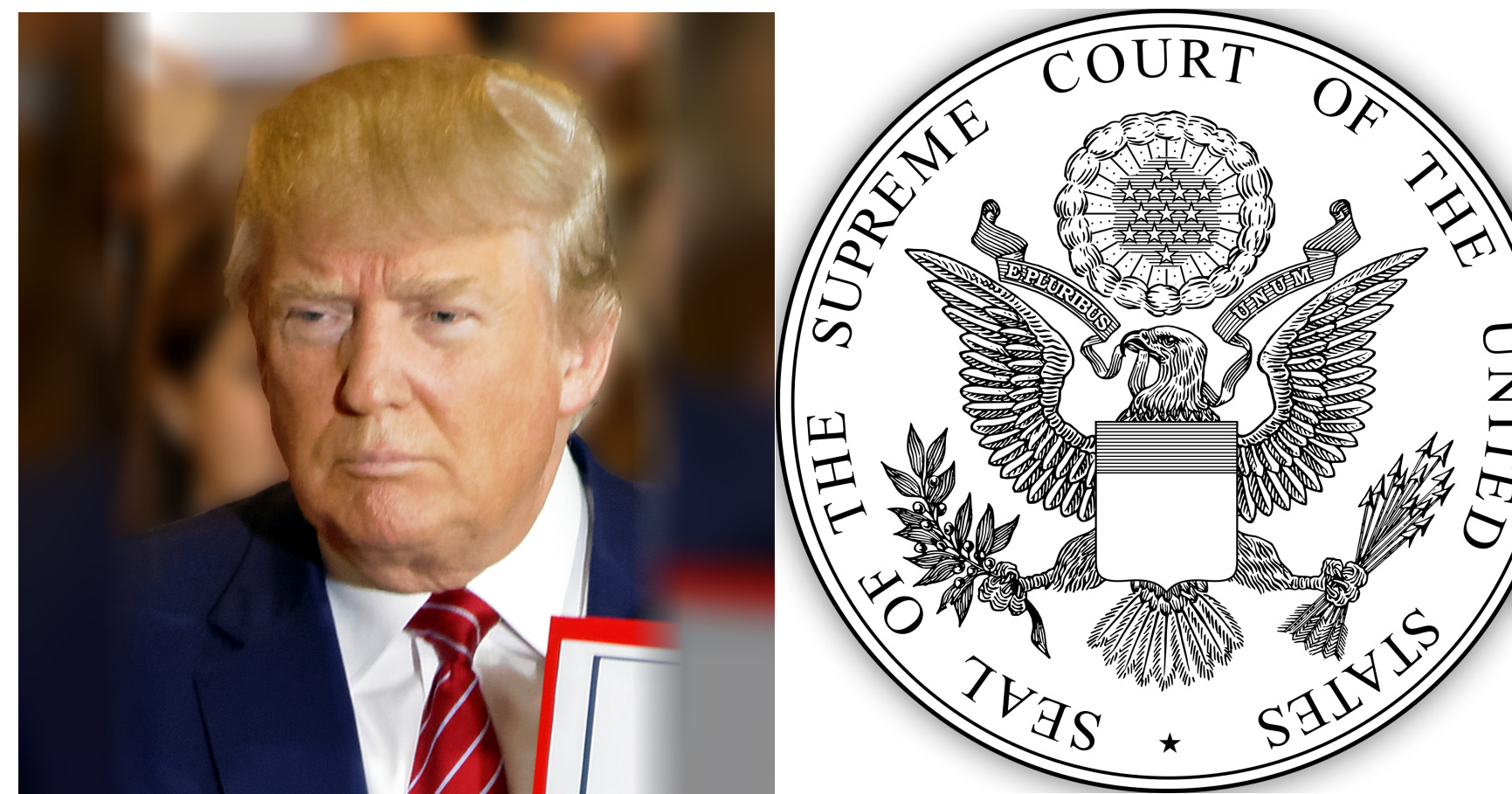
The ruling removes a major immediate obstacle to Trump’s mail-voting order, not every obstacle to carrying it out. States, election officials and the Postal Service now face a compressed timetable and more unresolved litigation.
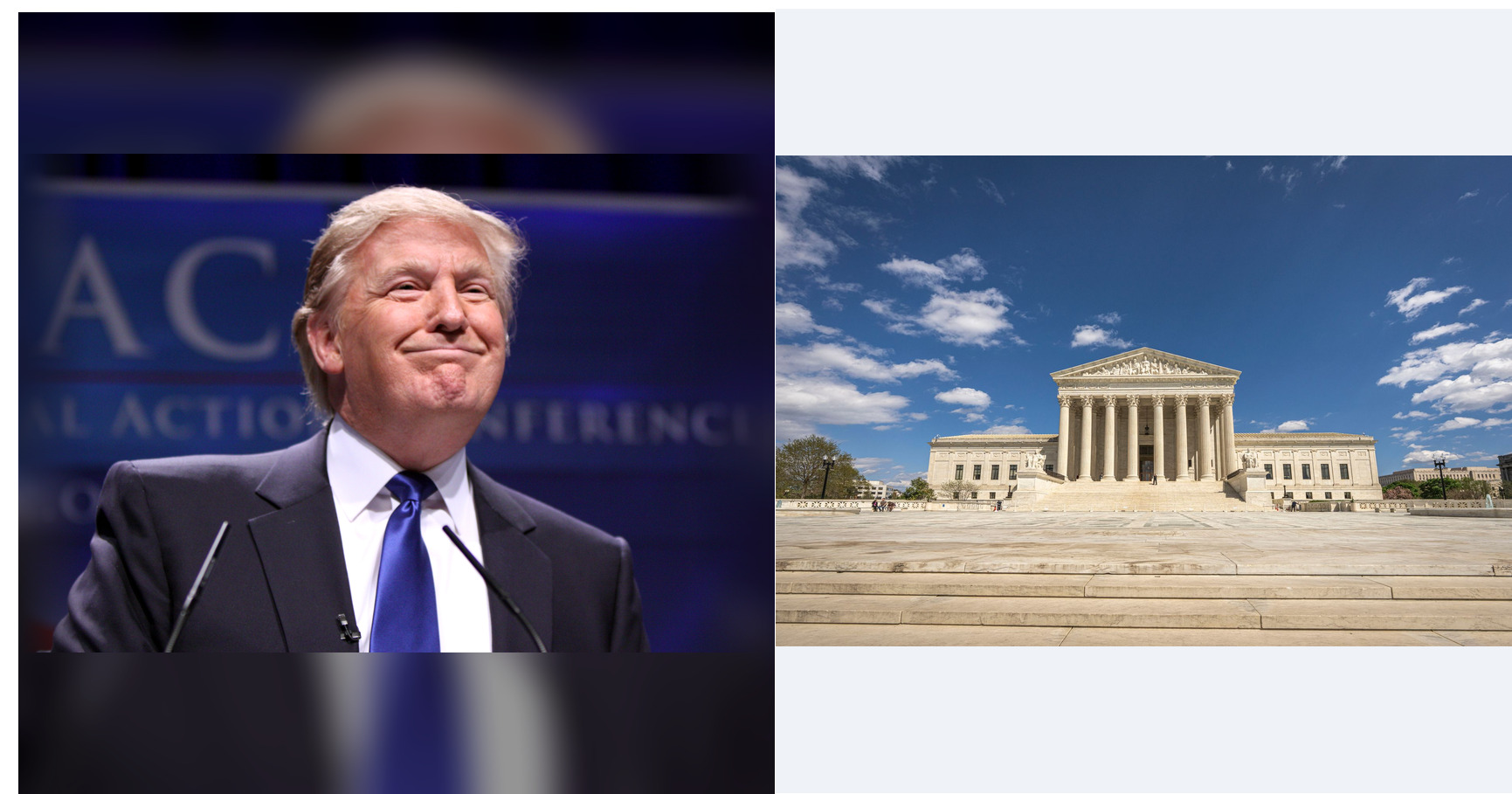
In Washington on Monday, Aug. 24, 2026, the U.S. Supreme Court cleared the way for President Donald Trump to move ahead with an executive order restricting mail-in voting. The Trump administration can resume work on the order before the midterm elections, but implementation remains uncertain: additional court challenges could delay or limit it, and states will soon begin sending mail ballots.
The dispute puts a familiar political fight over voting access and election security into a much more immediate test. Trump says his order would strengthen election integrity; Democratic officials and election administrators argue that last-minute federal changes could disrupt an election system largely run by the states.
The order can move forward
The Supreme Court’s action came after the Justice Department sought emergency intervention, arguing that lower-court orders had prevented the administration from finalizing and carrying out the president’s proposed policies for November’s federal elections.

The decision means the administration is no longer blocked in the same way by the nationwide order issued by a federal judge in Massachusetts. It does not, by itself, settle every underlying constitutional and statutory question raised by the executive order.
That distinction matters. Emergency actions often address whether a policy may proceed while litigation continues, rather than delivering the final word after full briefing, argument and a detailed merits ruling.
What Trump’s directive targets
Trump signed the executive order in March. It directs his administration to create lists of voters eligible to receive mail ballots and instructs the U.S. Postal Service to deliver mail ballots only to people appearing on those lists.
Its practical reach will depend on how those eligibility lists are assembled, how state election systems interact with them and what legal boundaries courts eventually identify. The source material does not establish that a uniform nationwide set of mail-voting rules is already in place.
Trump has repeatedly portrayed mail voting as vulnerable to fraud and has promoted the order as a safeguard against noncitizens voting. His claims that mail voting caused his 2020 loss to Joe Biden have not been supported by credible evidence, and noncitizen voting is rare and already illegal.
The clock is already running
The immediate challenge is operational. The Postal Service outlined how it would implement the order last week, but some states are expected to begin sending mail ballots within weeks.
Election systems are not easily redesigned at the last minute. State and local offices must prepare voter rolls, printing, ballot distribution, return procedures, staffing and public instructions well before Election Day. Any change affecting who receives a ballot can ripple through each of those steps.
That is why a court victory for the administration does not automatically translate into a completed policy before the midterms. The ruling opens a path for work to continue; it does not erase calendar constraints or the need to coordinate with state-run election operations.
States say authority is theirs
Democratic officials in 23 states and the District of Columbia challenged the order. They contend that the Constitution gives states and Congress central authority over elections and that the proposed changes could invite confusion and partisan abuse.
Dozens of state and local election officials urged the Supreme Court to keep the policy frozen while election preparations were underway. Their warning was primarily about timing: transformative changes close to an election, they argued, could carry serious consequences.
The administration and a group of Republican-leaning states see the matter differently. Federal lawyers say the order is intended to promote election integrity, while the supporting states have said they would have input on the final voter lists.
The competing arguments expose the unresolved core issue: how much power a president and federal agencies have to shape mail-ballot procedures when states administer most election mechanics.
Mail voting remains widely used
Mail ballots are no longer a niche feature of American elections. Federal data cited in the reporting show that about 30% of ballots in the 2024 presidential election were cast by mail, with voters from both major parties using the option.
Research cited in the reporting also undercuts broad assertions that mail voting is inherently rife with fraud. A 2025 Brookings Institution study found roughly four fraud cases for every 10 million mail ballots cast. That does not mean election rules cannot be debated; it does mean claims about the scale of fraud require strong evidence.
The Supreme Court itself recently rejected a Trump-backed position in a separate mail-ballot dispute, ruling in June that states may count ballots arriving after Election Day. That case followed full briefing and arguments, unlike the emergency posture of the latest dispute.
More litigation could shape November
The Supreme Court decision leaves room for fresh challenges as the policy is implemented. A separate case in Washington had allowed Trump’s order to proceed, though that litigation also left open the prospect of future court action tied to the details of implementation.
For voters, the most useful takeaway is that the legal development is significant but not self-executing. Whether mail-ballot procedures change before the midterms may turn on new rulings, agency decisions, state cooperation and whether election officials can make adjustments without jeopardizing existing schedules.
For now, the administration has room to act, while opponents retain legal avenues to contest how far that action can go. The next phase is likely to be less about a single Supreme Court order than about the practical and legal limits that follow it.

![Marine Corps Major in dress white uniform, W[orld] W[ar] II (LOC)](https://idahopublicpress.com/wp-content/uploads/2026/08/trendwire-rqctqy63-featured-tn5nyr2x.jpg)

Leave a Reply